
How To
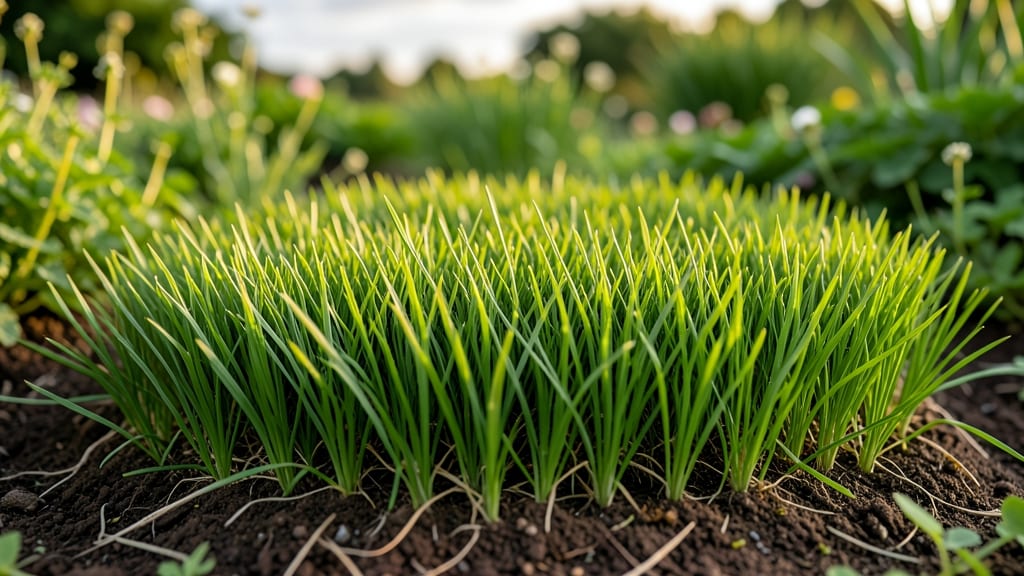
Wondering how tall does perennial ryegrass grow in your lawn? The answer might surprise you—this hardy 🌱 grass typically reaches 6 to 24 inches at maturity, depending on the variety and growing conditions.
Whether you're aiming for a dense home lawn or a low-maintenance pasture, knowing its height range helps you plan everything from mowing schedules to soil prep.
Some varieties, like the popular 'Baron,' stay compact around 6 to 12 inches, making them ideal for tight spaces or frequent mowing. Others, such as 'Manhattan,' can stretch up to 24 inches when left uncut, offering a lush, taller look for ornamental areas.
The key difference? Variety, climate, and how often you mow all play a role in shaping its final height.
If you're in USDA Zone 6a, where perennial ryegrass thrives, you’ll notice it grows fastest in early spring and fall—perfect for establishing a thick, resilient lawn before summer heat sets in. But here’s the catch: skipping regular mowing can lead to overgrowth, which weakens the grass and invites weeds.
The good news? With the right care, you can keep it at your preferred height year after year.
Ready to get the most out of your 🌱 perennial ryegrass? I’ll break down the best varieties for your goals, how to adjust for your climate, and simple tricks to maintain the perfect height—no guesswork required.


Perennial ryegrass height by variety: what to expect at maturity
Understanding the mature height of perennial ryegrass helps you choose the right variety for your lawn or pasture. Most types grow between 6 to 24 inches, but specific varieties can vary significantly.
For example, dwarf varieties like 'Baron' stay compact, while taller types like 'Manhattan' reach their full height faster. Knowing these differences ensures you select the perfect grass for your needs.
If you're aiming for a low-maintenance lawn, shorter varieties like 'Penncross' (8–12 inches) are ideal. They require less frequent mowing and still provide excellent wear resistance.
On the other hand, taller varieties like 'Manhattan' (18–24 inches) are better suited for sports fields or areas with heavy foot traffic, as they recover faster from damage.
Here’s how perennial ryegrass height compares across popular varieties, so you can make an informed decision:
When selecting a variety, consider your climate zone and lawn usage. For instance, 'Baron' thrives in USDA Zone 6a and stays low, making it perfect for suburban lawns.
Meanwhile, 'Manhattan' is better suited for northern regions where taller grass handles snow better. Always check the seed packet recommendations for specific growing conditions.
Another key factor is how quickly the grass reaches its mature height. Some varieties like 'Penncross' grow steadily over 6–8 weeks after planting, while others like 'Manhattan' may take longer but offer better resilience.
If you're seeding in early spring, plan for slower initial growth due to cooler temperatures.
For visualizing height, think of 'Baron' as roughly the height of a standard deck tile (10–12 inches), while 'Manhattan' towers over it like a small shrub (18–24 inches).
This comparison helps when deciding how often you’ll need to mow or whether the grass will blend well with surrounding plants in your landscape.
If you’re unsure which variety to pick, start with 'Penncross'—it’s a versatile choice that works well in most climates and offers a balance between height and maintenance. For high-traffic areas, consider mixing a medium-height variety like 'Linn' with a taller type for added durability.
Remember, proper mowing height also influences how tall your grass grows. Cutting too short can stunt growth, while leaving it too long encourages thatch buildup. Aim to mow at 2.5–3.5 inches for most varieties to maintain their natural height and health.
Finally, don’t forget that soil quality plays a role in height. Well-drained, nutrient-rich soil helps perennial ryegrass reach its full potential, while poor soil can result in stunted growth. Conduct a soil test before planting to ensure optimal conditions for your chosen variety.
How growth height affects lawn maintenance and performance
The mature height of your perennial ryegrass isn’t just about aesthetics—it directly impacts how often you’ll mow, how well it resists wear, and even its drought tolerance. For example, taller varieties like 'Manhattan' (up to 18 inches) need less frequent mowing but may struggle in high-traffic areas.
Meanwhile, shorter varieties like 'Baron' (around 6–12 inches) recover faster from foot traffic but require more precise mowing to avoid scalping.
If you’re using perennial ryegrass for a sports field or high-wear lawn, taller growth (12–18 inches) provides better shock absorption and recovery. However, this comes at the cost of increased mowing frequency—typically every 5–7 days during peak growing season.
For home lawns, a medium-height variety (10–12 inches) strikes a balance between maintenance ease and performance durability.
Another key factor is drought tolerance. Taller blades retain more moisture, helping perennial ryegrass survive dry spells better than shorter varieties. This makes it ideal for coastal regions or areas with irregular rainfall.
However, if you’re in a humid climate, taller grass may also encourage fungal diseases like brown patch, so regular mowing (never removing more than ⅓ of the blade height) is critical.
For ornamental use, like edging or slopes, perennial ryegrass’s compact growth habit (6–12 inches) makes it a standout choice. Its dense root system also helps prevent soil erosion, which is why it’s often used in landscaping projects with steep grades.
Just ensure you’re mowing at the correct height for the variety—cutting too low weakens the grass and invites weeds.
If you’re overseeding an existing lawn, match the height of your perennial ryegrass to the surrounding grass types. For example, pairing it with tall fescue (which grows 12–24 inches) will require more frequent mowing, while mixing it with Kentucky bluegrass (8–15 inches) creates a uniform height with moderate upkeep.
Always adjust your mower blade to the highest setting during establishment to encourage root growth.
Finally, remember that seasonal changes affect height management. In spring and fall, perennial ryegrass grows most aggressively, so you’ll need to mow more often. During summer dormancy, reduce mowing to every 2–3 weeks to avoid stressing the grass.
A sharp mower blade is non-negotiable—dull blades tear grass, leading to brown tips and poor recovery.
By aligning your mowing height with your grass variety and climate conditions, you’ll create a lawn that’s not only visually appealing but also resilient and low-maintenance. 🌿