
How To
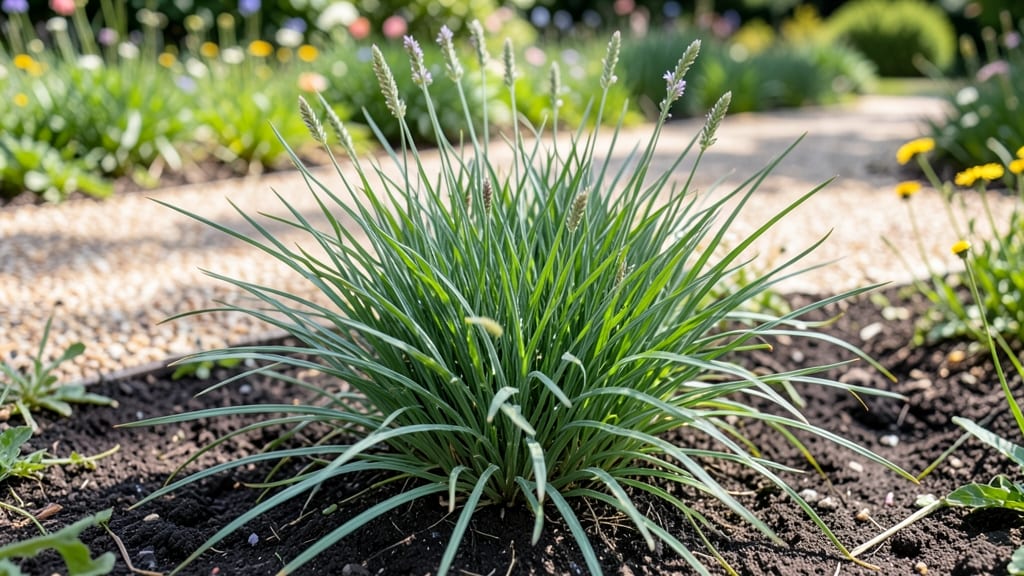
If you're planning a lawn, pasture, or erosion-control project, knowing how tall ryegrass grows is the first step to picking the perfect variety for your needs. This fast-growing grass can range from a modest 12 inches to a towering 2 feet, depending on the type and conditions.
Whether you're aiming for a dense, low-maintenance lawn or a quick cover crop to protect soil, understanding ryegrass height helps you choose wisely. Annual ryegrass stays shorter, while perennial types can grow taller over time—both have their place in different landscapes.
Beyond just height, ryegrass thrives in full sun and well-drained soil, making it a versatile choice for gardeners in USDA Zone 6a and beyond. The right variety can even reduce mowing frequency, saving you time and effort.
Let's break down the height ranges by variety and how to keep your ryegrass at its best—whether you want it knee-high or waist-tall. You'll learn which types work best for lawns, pastures, and erosion control, plus tips to manage its growth effortlessly.


Ryegrass height ranges by common varieties and their growth habits
If you're planning a lawn, pasture, or erosion control project, understanding ryegrass height is essential. This fast-growing grass varies significantly by type, with Italian ryegrass reaching 1.5 to 2 feet and perennial ryegrass typically staying between 1 and 1.5 feet at maturity.
Annual varieties often grow taller and faster, while perennials offer more stability for long-term use.
Choosing the right variety depends on your goals: lawns benefit from shorter, dense perennial types, while cover crops or pastures may need taller annual varieties for faster ground coverage. Even small height differences can impact mowing frequency, water needs, and overall maintenance.
🌱 Ryegrass Variety Height Comparison
| Variety | Mature Height | Growth Rate | Best For |
|---|---|---|---|
| Italian Ryegrass | 1.5–2 ft | Fast (60–75 days) | Pastures, cover crops |
| Perennial Ryegrass | 1–1.5 ft | Moderate (45–60 days) | Lawns, erosion control |
| Annual Ryegrass | 2–3 ft (if unchecked) | Very fast (45–60 days) | Temporary cover, fast regrowth |
Height varies with growing conditions and maintenance.
For lawns, perennial ryegrass is the top choice because its 1 to 1.5 feet height stays manageable with regular mowing. It also recovers quickly from wear, making it ideal for high-traffic areas.
If you're seeding a new lawn, mix perennial ryegrass with fescue or bluegrass for a denser, longer-lasting turf.
On the other hand, Italian ryegrass thrives in pastures and hay fields due to its taller stature and rapid growth. It’s often used as a winter forage crop because it grows well in cooler temperatures.
However, its height can make it less practical for residential lawns unless you prefer a more "wild" look.
If your goal is erosion control, annual ryegrass is a powerhouse. Its ability to reach 2 to 3 feet quickly helps stabilize soil before transitioning to permanent vegetation. Plant it in late summer or fall for best results, as it germinates faster than many other grasses in cooler weather.
One common misconception is that all ryegrass varieties grow to the same height. In reality, annual ryegrass can easily outgrow perennial types by 50% or more if left unchecked. This is why many gardeners opt for perennial blends that combine height control with durability.
For container gardening or small spaces, consider dwarf varieties (though true dwarf ryegrass is rare). Instead, mix perennial ryegrass with creeping red fescue to keep heights under 1 foot while maintaining density. Just be prepared for more frequent mowing to prevent overgrowth.
Pro tip: If you're using ryegrass as a cover crop, let it grow taller (up to 3 feet) to maximize biomass before mowing it down. This practice enriches the soil with organic matter and suppresses weeds.
For lawns, keep heights between 2 and 3 inches to encourage lateral growth and reduce weed competition.
Remember, ryegrass height isn’t set in stone—it’s influenced by soil fertility, water availability, and mowing habits. With the right care, you can fine-tune growth to fit your space perfectly.
Factors that influence ryegrass height: soil, climate, and maintenance
Ryegrass height isn’t just about the variety you plant—soil quality, sunlight exposure, and maintenance habits play huge roles in how tall it grows.
For example, Italian ryegrass thrives in rich, well-drained soil and can reach 2 feet tall under ideal conditions, while perennial ryegrass stays shorter (1-1.5 feet) if mowed regularly. Let’s break down the key factors that shape ryegrass growth.
One of the biggest influences is sunlight. Ryegrass loves full sun (6+ hours daily), but too much shade slows growth and reduces height. In partial shade, expect 10-20% shorter blades compared to sun-exposed patches.
If you’re growing ryegrass for a cover crop, maximize sunlight to encourage faster, taller growth for erosion control.
🌱 Key Takeaway: Maximizing Ryegrass Height
- Sunlight: Full sun = taller growth (up to 2 feet)
- Watering: Deep, weekly soaks promote root depth and height
- Soil: Loamy, well-draining soil with pH 6.0-7.0 supports optimal growth
- Mowing: Higher mowing heights (3-4 inches) encourage thicker, taller blades
Pro tip: Avoid cutting ryegrass too short—scalping stresses the plant and reduces future height.
Your watering routine also impacts height. Ryegrass needs moderate moisture, but overwatering can lead to weak stems and shorter growth. Aim for 1-1.5 inches of water weekly, adjusting for rainfall.
In drought-prone areas, deep watering every 5-7 days keeps roots strong and blades upright, preventing the stunted, yellowing look that signals underwatering.
Don’t overlook the role of soil type. Ryegrass prefers loamy, well-draining soil with a pH between 6.0 and 7.0. Sandy soil drains too quickly, limiting height potential, while clay soil can suffocate roots.
Amend heavy soils with compost or sand to improve drainage and encourage taller, healthier growth. A simple soil test costs less than $20 and can reveal hidden issues.
Finally, mowing frequency and height directly control ryegrass stature. For lawns, mow at 2.5-3.5 inches to maintain a manicured look, while cover crops benefit from taller cuts (4-6 inches) to maximize biomass.
Use a sharp mower blade to avoid tearing blades, which can invite disease and stunt growth. In cooler months, reduce mowing to once every 2-3 weeks to let the grass grow taller naturally.
With the right conditions, ryegrass can reach its full 1-2 foot potential, but neglect in any area—whether it’s shade, poor soil, or aggressive mowing—will keep it shorter.
Experiment with your local climate and adjust care routines to coax the perfect height for your needs, whether that’s a dense lawn or a fast-growing erosion barrier. 🌿