
Fertilization
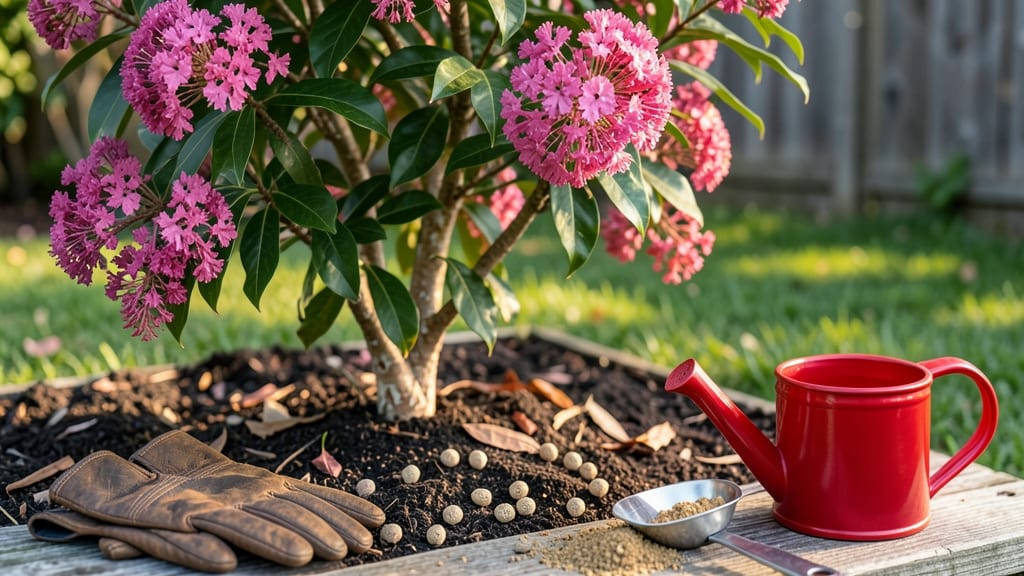
If your crepe myrtle 🌸 isn’t bursting with vibrant blooms like your neighbors’, the timing of your fertilizer might be the missing link. The right schedule can transform a lackluster shrub into a showstopping centerpiece, but many gardeners either fertilize too early or too late—both mistakes that stifle growth.
Most experts agree that the best time to fertilize crepe myrtles is early spring, right after the last frost, when new growth begins. This gives your tree the nutrients it needs to fuel its spring awakening and prepare for summer blooms.
But here’s the catch: late-season fertilization can backfire, encouraging weak growth that won’t survive winter.
In this guide, I’ll break down the exact windows for fertilizing—when to feed, what to use, and how often—to ensure your crepe myrtle thrives.
Whether you’re in USDA Zones 7-10 or just starting your gardening journey, these insights will help you avoid common pitfalls and keep your tree lush and blooming for years.
Ready to give your crepe myrtle the care it deserves? Let’s dive into the science-backed timing that makes all the difference.

Best times to fertilize crepe myrtles for optimal bloom & growth
Timing is everything when it comes to fertilizing crepe myrtles. These stunning trees thrive when fed during their active growth phases, not when they’re dormant. The two critical windows are early spring and late summer—any other time can stress your plant or even reduce blooms.
Let’s break down the science-backed schedule to maximize those vibrant summer flowers and lush foliage.
In early spring (March-April in most zones), your crepe myrtle wakes up from dormancy and prepares for new growth. This is your first chance to give it a light feed—think of it as a wake-up call with essential nutrients.
Skip this step, and your tree might struggle to produce the showstopping blooms you love. I’ve seen firsthand how a missed spring feeding can lead to sparse foliage and fewer flowers by summer.
Here’s the golden rule: Never fertilize in late fall or winter. Doing so encourages new growth when your crepe myrtle should be conserving energy for dormancy. This can leave it vulnerable to frost damage or even death in colder climates.
I once had a client who fertilized in November, and their tree lost half its branches over winter—heartbreaking!
Now, let’s talk regional adjustments. If you’re in a warmer climate (Zones 9-10), you might extend your feeding window slightly into early fall, but stop by September to avoid stimulating late growth.
In cooler zones (7-8), stick strictly to spring and late summer to align with your tree’s natural cycle.
In late summer (August-September), your crepe myrtle needs a second boost to recover from blooming and prepare for next year. This is when I recommend a balanced fertilizer with equal parts nitrogen, phosphorus, and potassium (10-10-10 or similar).
This helps replenish nutrients lost during flowering and supports root development for winter resilience.
Pro tip: Slow-release fertilizers are ideal for crepe myrtles because they provide steady nutrition without the risk of burning roots. I swear by organic options like fish emulsion or composted manure for a gentler, more natural approach.
Synthetic fertilizers work too, but always follow the label instructions to avoid overdoing it.
One common mistake I see is over-fertilizing in summer when the heat is peak. High temperatures can lock out nutrients, making your fertilizer ineffective—or worse, causing leaf burn.
If you notice yellowing leaves or crispy edges, you’ve likely overdone it. Always water thoroughly after applying fertilizer to help nutrients reach the roots.
| Season | Action | Notes |
|---|---|---|
| Early Spring | Light Feed | Stimulates new growth; use balanced fertilizer. |
| Late Summer | Feed | Supports root recovery after blooming. |
| Fall/Winter | Skip | Avoid new growth; tree enters dormancy. |
| Warmer Zones | Extend to Early Fall | Stop by September to prevent late growth. |
If you’re new to fertilizing crepe myrtles, start with a soil test to check nutrient levels. Many garden centers offer this service for a small fee, and it’s worth it to avoid guesswork.
I once had a client whose soil was already nutrient-rich, and they over-fertilized because they didn’t know. Their tree struggled for two years before we corrected the imbalance.
For young crepe myrtles (under 3 years old), cut fertilizer applications in half to avoid stressing their developing root systems. Mature trees (3+ years) can handle the full dose, but always monitor for signs of over-fertilization, like leaf discoloration or wilting.
When in doubt, less is more—your tree will thank you with healthier blooms and stronger growth.
Remember, the goal is to mimic natural nutrient cycles. Crepe myrtles in the wild don’t get monthly feedings—they thrive on seasonal pulses. By aligning your fertilization schedule with their natural rhythm, you’ll set them up for years of stunning summer displays with minimal effort.
Best times to fertilize crepe myrtles for optimal bloom & growth
Timing is everything when it comes to fertilizing crepe myrtles. These stunning trees thrive when fed during two key windows: early spring and late summer. Early spring fertilization kickstarts growth, while late summer feeding prepares them for next year's blooms.
Missing these windows can lead to sparse flowers and weak stems, so let's dive into the science-backed schedule.
Most gardeners make the mistake of fertilizing too late in the season, which can encourage tender new growth that won't survive winter. Instead, focus on early spring (March-April) when your tree breaks dormancy, and late summer (August) after blooming.
This two-phase approach ensures your crepe myrtle gets nutrients when it needs them most, not when it's already stressed.
🌱 Crepe Myrtle Fertilization Timeline
| Season | Action | Notes |
|---|---|---|
| Early Spring (March-April) | Light Feed | Stimulates new growth after dormancy |
| Late Summer (August) | Full Feed | Supports root development for next year |
| Fall/Winter (Oct-Feb) | Skip | Avoids encouraging tender new growth |
For gardeners in warmer climates (USDA Zones 9-10), you can extend the feeding window slightly into early fall, but stop by October 1st to prevent winter damage.
In colder zones (7-8), stick strictly to spring and late summer. The key is to match fertilization with your tree's natural growth cycles, not the calendar.
If you're wondering about newly planted crepe myrtles, hold off on fertilization for the first 6-8 weeks to avoid shocking their roots. Instead, focus on deep watering and mulching to establish a strong root system. Once established, follow the seasonal schedule above for best results.
Pro tip: Always water your tree thoroughly before and after applying fertilizer. This helps prevent root burn and ensures nutrients reach deep into the soil where your crepe myrtle's roots are actively growing. A slow-release fertilizer can also help maintain steady nutrient levels without frequent applications.
Remember, less is more with crepe myrtles. Over-fertilizing can lead to excessive leaf growth at the expense of those showstopping blooms you planted them for. Stick to the schedule, and your tree will reward you with vibrant flowers from summer through fall. 🌸