
Trees
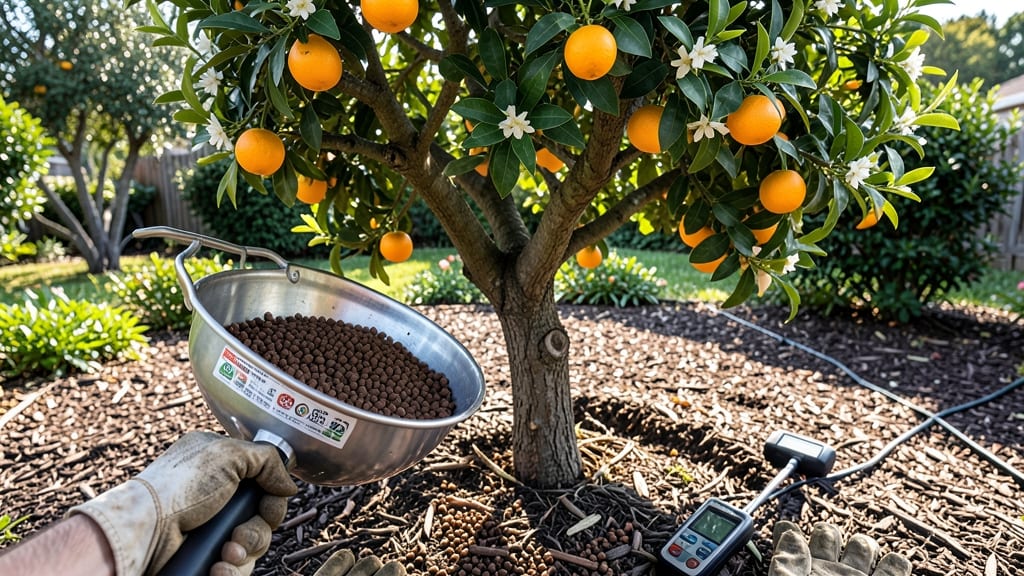
When is the best time to fertilize fruit trees in California? Timing your fruit tree fertilization in the Golden State could mean the difference between a bountiful harvest of 🍎 and wasted effort. The unique climate demands precision—too early, and you’ll burn delicate roots; too late, and your trees miss their growth surge.
Most gardeners assume spring is the only critical window, but late-summer feeding actually boosts next year’s fruit set. I’ll break down the exact schedule that works for California’s coastal fog belts and scorching inland valleys, so you never over- or under-feed again.
Whether you’re growing citrus year-round or stone fruits in the spring, knowing when to apply fertilizer—and what type—is the key to healthier trees and bigger yields**. We’ll cover organic vs. synthetic options, soil testing tips, and how to adjust for drought conditions.
Ready to transform your orchard? Let’s dive into the science-backed timing that’ll have your fruit trees thriving all season long.

California fruit tree fertilization calendar: spring vs late-summer timing explained
Understanding when to fertilize your California fruit trees is the key to unlocking their full potential. Unlike other regions, California’s Mediterranean climate offers two distinct fertilization windows: early spring and late summer. These periods align with your trees’ natural growth cycles, maximizing fruit production while avoiding common mistakes.
In early spring, your trees wake from dormancy and need nutrients to fuel new leaf growth and flower development. This is your first critical window. Then, in late summer
Skipping either can lead to stunted growth or poor yields. California’s microclimates further complicate timing. Coastal areas like San Diego have milder winters, while inland valleys like the Central Valley experience hotter summers. These differences mean your fertilization schedule should adapt based on where you live. For example, citrus trees in coastal regions may need lighter feeding in winter, while stone fruits in the Central Valley benefit from a stronger late-summer boost. Let’s break down the science behind these two windows, how they differ by fruit type, and how to adjust for your specific region. This comparison will help you avoid over- or under-fertilizing, ensuring your trees thrive year after year. 🌱 Notice how early spring fertilization focuses on kickstarting growth, while late summer is about recovery. For example, citrus trees in San Diego might need a lighter spring feed due to mild winters, but a stronger late-summer boost to handle the upcoming harvest. Meanwhile, peach trees in the Central Valley require a robust spring feeding to survive the intense summer heat. Your fruit tree type also dictates timing. Stone fruits like peaches and plums need their spring feed slightly earlier than pome fruits (apples, pears), which can wait until March. Avocado trees, native to California, thrive with a more balanced approach—lighter spring feeding and a stronger late-summer boost to handle their high nutrient demands during fruit development. One common mistake is fertilizing in summer, when trees are already stressed by heat and drought. This can burn roots and reduce yields. Instead, focus on deep watering and mulching to protect your trees during the hottest months. Another pitfall is skipping the late-summer feed, which leaves trees vulnerable to winter stress and poor flowering the following spring. To fine-tune your schedule, consider your tree’s age and soil health. Young trees (under 3 years) need more frequent, lighter feedings, while mature trees benefit from slow-release fertilizers applied less often. Always pair fertilization with a soil test—California’s diverse soils (from sandy coastal areas to clay-heavy valleys) can drastically alter nutrient needs. 🌿
Fertilization Window
Biological Purpose
Best Time (California)
Fruit Types
Regional Adjustments
Early Spring
Stimulates root growth, leaf expansion, and flower buds for fruiting.
February–March (after last frost, before new growth).
Citrus, Stone Fruits (peaches, plums), Pome Fruits (apples, pears), Avocados.
Coastal: Start earlier (Jan–Feb). Inland: Wait until March to avoid heat stress.
Late Summer
Replenishes nutrients lost during fruit production, strengthens root systems for winter.
August–September (4–6 weeks after harvest).
All fruit trees (citrus, stone fruits, pome fruits, avocados).
Desert areas: Skip if drought stress is severe. Coastal: Light feeding in September.
Winter (Dormant)
No fertilization needed; trees conserve energy.
November–January.
All fruit trees.
Coastal: Light organic mulch in Dec. Inland: Avoid any feeding.
Fall (Pre-Winter)
Optional light feeding to build root reserves for winter.
October (only if trees show nutrient deficiency).
Young trees or nutrient-poor soils.
Avoid in drought-prone areas; use slow-release fertilizers.
Step-by-step fertilization guide: what to apply and when for maximum fruit production
Fertilizing your California fruit trees at the right time ensures vibrant growth and abundant harvests. Start with a soil test (available through UC Cooperative Extension) to determine nutrient deficiencies before applying anything.
Most fruit trees thrive with a balanced 6-6-6 or 8-3-9 NPK ratio, but citrus prefers slightly higher nitrogen early in the season.
For organic options, I recommend composted manure, fish emulsion, or alfalfa meal. Synthetic granular fertilizers like 16-4-8 work well for fast nutrient delivery, but organic choices build soil health long-term. Always water deeply before and after applying fertilizer to prevent root burn.
🌱 Step-by-Step Fertilization Guide
- 📅 Early Spring (Feb-Mar): Apply ½ cup balanced fertilizer after pruning. Citrus gets extra nitrogen for new foliage.
- 🌱 Late Spring (Apr-May): Second feeding with light fertilizer (¼ cup) as fruit sets. Focus on phosphorus for root development.
- ☀️ Late Summer (Aug-Sept): Optional boost for established trees. Use low-nitrogen fertilizer to encourage root hardening before winter.
- ❄️ Winter (Nov-Feb): No fertilization. Trees rest; feeding now causes winter burn.
- 💧 Year-Round: Mulch heavily (3-4 inches) with wood chips to retain moisture and regulate soil temperature.
Avoid common mistakes like over-fertilizing in summer heat, which stresses trees. Also, skip winter feeding—dormant trees don’t need nutrients. For young trees (under 3 years), reduce fertilizer by half to prevent excessive leafy growth at the expense of fruit.
If your fruit trees show signs of nutrient deficiency (yellow leaves = nitrogen; purple stems = phosphorus), adjust your schedule. For example, peach trees need zinc sprays in early spring to prevent leaf curl. Always follow label rates—more isn’t better!
Pro tip: Pair fertilization with deep watering (15-20 gallons per tree) to help nutrients reach roots. In drought-prone areas, use drip irrigation to deliver water and fertilizer efficiently. Monitor your trees’ response—healthy leaf color and fruit set confirm you’re on the right track.
For container-grown fruit trees, fertilize every 4 weeks during growing months but reduce amounts by 25% due to limited root space. Always choose slow-release fertilizers to prevent leaching in pots.