
Plants
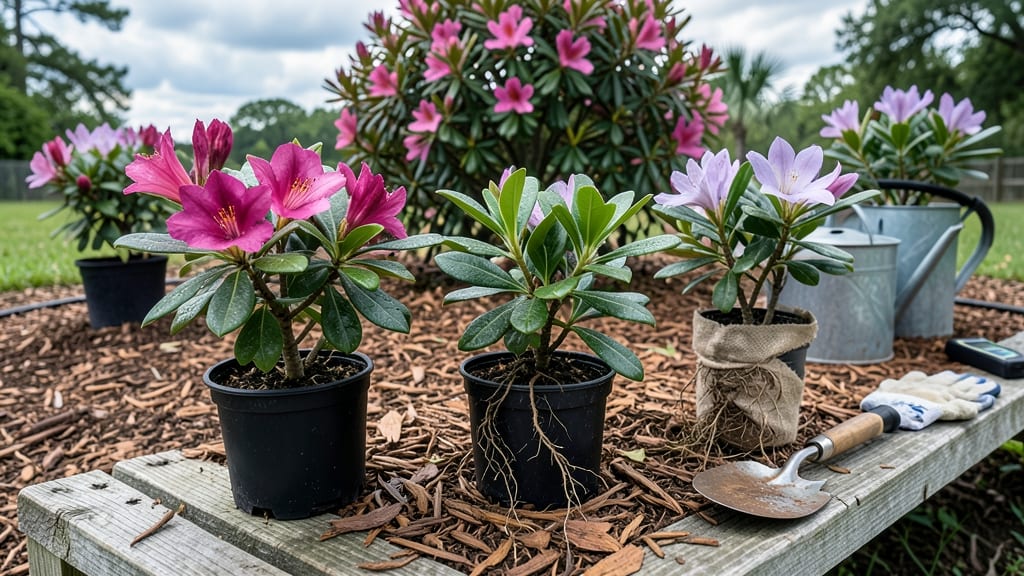
Planting azaleas in Florida at the wrong time can turn your dream garden into a sad, struggling shrub—especially when summer heat arrives too soon. The key to vibrant 🌸 blooms lies in understanding your specific USDA zone and avoiding those scorching months when roots can't establish properly.
Most Florida gardeners swear by the October to March window, but timing isn't one-size-fits-all. Whether you're in North Florida's cooler 9a zones or South Florida's balmy 11, knowing exactly when to plant makes all the difference for long-term success.
I'll break down the perfect months for your zone, plus pro tips to beat Florida's humidity and soil challenges. From bare-root vs. container-grown plants to soil prep secrets, you'll discover exactly what your azaleas need to thrive year after year.
Ready to transform your landscape with stunning, healthy azaleas? Let's get started with the planting schedule that works for your Florida climate.
Best planting months for azaleas in Florida by USDA hardiness zone
Florida’s mild winters and hot summers create a unique challenge for azalea planting. Unlike northern states, Florida gardeners don’t need to worry about frost, but timing still matters to avoid stressing your plants during peak heat.
The ideal window spans from November through March, when cooler temperatures help roots establish before summer’s intensity.
This period aligns with Florida’s USDA Zones 8A–10A, where winter lows rarely drop below 20°F. Planting outside these months risks transplant shock from Florida’s 90°F+ afternoons, which can scorch delicate azalea foliage. Let’s break down the best months for each zone to maximize your blooms.
🌸 Florida Azalea Planting Timeline by Zone
| USDA Zone | Best Planting Months | Why This Timing? | Avoid Planting |
|---|---|---|---|
| 8A (North FL: Pensacola, Tallahassee) | November–February | Cooler winters (30–40°F) allow root growth before summer heat. | March–October (risk of heat stress) |
| 9A (Central FL: Orlando, Gainesville) | October–March | Mild winters (40–50°F) prevent dormancy issues; avoids summer humidity spikes. | April–September (intense sun + heat) |
| 9B (South-Central FL: Tampa, Lakeland) | November–February | Short dry season; cooler temps reduce transplant shock. | March–October (high humidity + pests) |
| 10A (South FL: Miami, Fort Lauderdale) | September–March | Tropical climate; September avoids summer’s peak heat. | April–August (extreme heat + drought) |
For Zone 8A, I recommend planting in November or December to give roots time to settle before Florida’s spring rains (March–May). In Zones 9A–10A, January–February is ideal—cooler temps mirror their native Appalachian habitats, reducing stress.
Pro tip: Bare-root azaleas thrive in these cooler months, while container-grown plants can handle slightly later plantings (up to early April in Zone 10A).
If you’re in North Florida (Zone 8A), watch for unexpected cold snaps (below 30°F), which can damage young roots. In South Florida (Zone 10A), September plantings work if you provide extra shade during summer’s peak. Always water deeply after planting to encourage root spread before summer’s arrival.
One common mistake? Planting in April or May when Florida’s afternoon sun hits 95°F+. Azaleas wilting or yellowing leaves are red flags—this is your plant’s way of saying, “I need shade now!” Adjust your schedule to avoid this pitfall.
For container-grown azaleas, the window extends slightly later (April in Zone 10A), but prioritize morning sun only and daily watering during summer. In-ground plantings, however, must go in by March to prevent heat stress.
Remember: Azaleas bloom on last year’s growth. Planting in the right window ensures next year’s showstopping flowers—think vibrant pinks, purples, and whites from March to May. Skip the timing, and you might end up with sparse blooms or leaf-only shrubs.
Next up: How Florida’s microclimates (coastal vs. inland) tweak these planting windows—and why your backyard’s shade matters more than you think. ☀️
How Florida’s microclimates affect azalea planting timing
Florida’s geography creates microclimates that drastically impact when you should plant azaleas. While the general rule is October through March, coastal areas and inland zones have different needs.
For example, North Florida’s cooler winters (like Jacksonville) allow planting as early as September, while South Florida’s short dry season (Miami) may extend planting into April—but with caution.
Humidity plays a surprising role too. High humidity in coastal zones can stress azaleas if planted too late, while inland areas with lower humidity (like Orlando) may tolerate slightly later plantings. Always check your USDA zone—even within Florida, zones 8A to 10A behave differently.
Here’s how to adjust your timing based on Florida’s unique regions:
| Region | Best Planting Window | Key Consideration |
|---|---|---|
| North Florida (Panhandle, Jacksonville) | September–March | Cooler winters allow earlier planting; avoid late spring heat. |
| Central Florida (Orlando, Tampa) | October–February | Balanced humidity; prioritize root establishment before summer. |
| South Florida (Miami, Key West) | November–April | Short dry season; plant early to avoid transplant shock. |
| Coastal Areas (St. Pete, Fort Myers) | October–January | High humidity speeds up root stress; avoid late plantings. |
If you’re in a transition zone (like between Orlando and Tampa), err on the side of earlier planting. Azaleas planted in April or May often struggle with Florida’s intense summer heat, leading to leaf scorch or poor blooming.
Always monitor your local weather forecasts—a sudden heatwave can derail even well-timed plantings.
For container-grown azaleas, you have slightly more flexibility—plant them up to April in South Florida, but provide extra shade and consistent watering to compensate. Bare-root azaleas, however, demand cooler soil temperatures, so stick to the October–March window for best results.
Pro tip: Test your soil’s pH before planting—Florida’s sandy soils often need amendments like peat moss to reach the ideal acidic range (5.0–6.0). This is especially critical in limestone-heavy areas like North Florida, where alkaline soils can stunt azalea growth.