
Plants
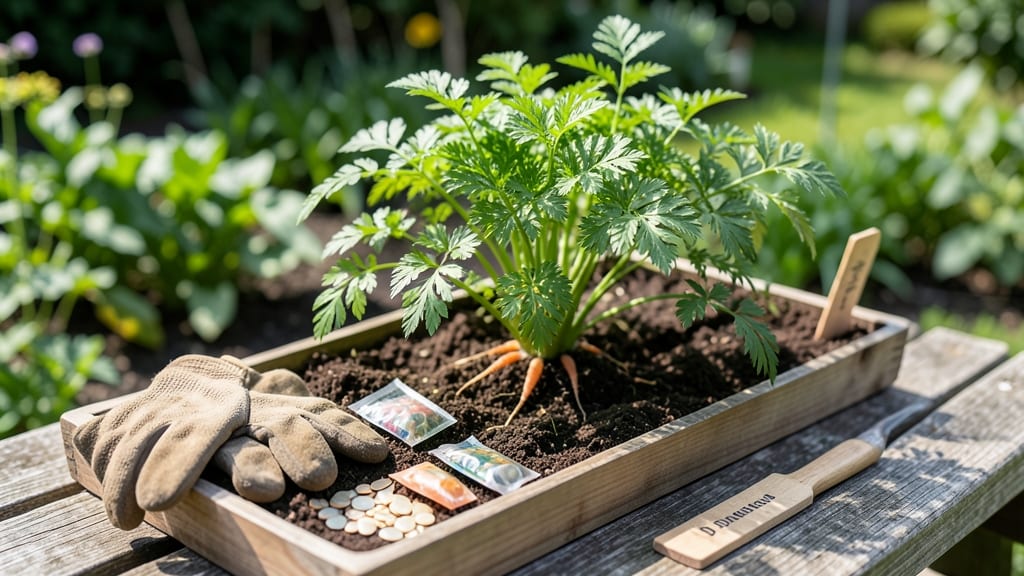
If you've ever tried growing 🥕 carrots in Florida only to watch them bolt in the heat or fork in sandy soil, you're not alone—but the key to success lies in planting at the perfect window.
Florida's warm climate means no frost to worry about, but timing still matters. The ideal months for planting are September through November, when temperatures stay mild enough to prevent bolting while the soil remains workable. This is your best shot at sweet, straight roots before summer's relentless heat returns.
What most gardeners miss is how Florida's microclimates—from the Panhandle to South Florida—create slightly different planting windows. In North Florida, you might squeeze in a late spring planting, while South Florida gardeners can push into December. Let's break down exactly when to plant for your specific region.
You'll also discover how to prep your soil, choose the right varieties, and avoid common pitfalls like pests and forking. With these strategies, you'll be harvesting crisp, homegrown carrots right through winter—no matter where in Florida you garden.
Florida carrot planting calendar by region: North vs Central vs South timing
Florida’s three distinct regions—North, Central, and South—create unique microclimates for growing carrots. Unlike northern states, Florida’s frost-free windows and humid heat demand precise timing to avoid bolting or pest pressure. Let’s break down the best months for each zone, including soil temperature tips for germination.
In North Florida (USDA Zones 8a-9a), cooler winters and occasional light frost (even in December) mean your primary planting window is September through November.
This region can also squeeze in a spring crop in February and March before summer heat sets in. Soil temperatures should be between 60°F and 70°F for optimal germination.
Central Florida (Zones 9a-9b) enjoys warmer winters and longer growing seasons, allowing for two main planting windows: August through November and February through April. The key here is to avoid summer planting, as temperatures above 85°F cause carrots to bolt prematurely.
Aim for 65°F to 75°F soil temps during germination.
South Florida (Zones 10a-11) is the most forgiving, with year-round growing potential. However, the best times are September to December and January to March. Summer planting is risky due to intense humidity and pest pressure, but shade cloth can help.
Maintain soil temps between 70°F and 80°F for consistent sprouting.
| Region | Primary Planting Window | Secondary Window | Ideal Soil Temp (°F) | Key Challenge |
|---|---|---|---|---|
| North Florida | September–November | February–March | 60°F–70°F | Light frost risk |
| Central Florida | August–November | February–April | 65°F–75°F | Summer bolting |
| South Florida | September–December | January–March | 70°F–80°F | Humidity/pests |
For all regions, succession planting every 2–3 weeks ensures a continuous harvest. Start with small batches to test your soil’s drainage—sandy Florida soil can cause forked carrots if not amended with compost or peat moss. A light mulch (like straw) helps retain moisture and regulate soil temperature.
Pro tip: Use a soil thermometer to monitor temps before planting. Carrot seeds need consistent moisture to germinate, so water deeply after sowing and keep the soil evenly moist until sprouts appear (usually 10–20 days). Avoid overhead watering to prevent disease in Florida’s humid air.
If you’re in North Florida and experience an early frost, opt for cold-hardy varieties like ‘Danvers Half Long’ or ‘Nantes’. In Central and South Florida, focus on short-day varieties to prevent bolting. Always rotate crops to avoid soil-borne diseases like Alternaria or leaf blight.
Timing isn’t just about months—it’s about microclimate nuances. For example, coastal areas may stay warmer longer than inland zones. Pay attention to local weather patterns and adjust your planting schedule accordingly. With the right timing, you’ll enjoy sweet, straight carrots year-round in Florida’s climate.
🌱
How to extend your carrot growing season in Florida’s heat
Florida’s hot summers and humid winters can make growing carrots tricky, but with the right strategies, you can enjoy fresh harvests year-round. The key is extending your growing season by leveraging shade, mulch, and succession planting to beat the heat.
Most gardeners focus on fall planting (September-November), but with a few adjustments, you can also grow carrots in spring and even late summer. The trick is choosing heat-tolerant varieties and creating cooler microclimates where possible.
🌱 Proven Techniques to Beat Florida’s Heat
- 1. Use shade cloth (30-50%) during peak summer months to lower soil temps by 10-15°F.
- 2. Mulch heavily with straw or pine needles to retain moisture and block heat.
- 3. Plant in raised beds filled with sandy loam for better drainage and cooler roots.
- 4. Try short-day varieties like 'Paris Market' (45 days) that mature faster in heat.
- 5. Succession plant every 2-3 weeks for continuous harvests without overcrowding.
For spring planting (February-March), focus on early morning sowing to avoid daytime heat stress. Water deeply in the early morning to prevent fungal diseases that thrive in Florida’s humidity. A light row cover can also protect young seedlings from intense sun.
In North Florida, where cooler temps linger longer, you can extend the season into early December with heavy mulching. Meanwhile, South Florida gardeners should stick to fall and winter planting, using shade cloth to protect crops from intense afternoon sun.
Remember, carrots need consistent moisture but well-draining soil—Florida’s sandy soil helps here! Amend with compost to improve water retention without compacting the roots. Avoid planting in full summer heat unless you’re using shade cloth, as soil temps above 85°F can stunt germination.
With these techniques, you can enjoy homegrown carrots nearly year-round in Florida—just adjust your approach based on your local microclimate and seasonal challenges. 🥕