
Plants
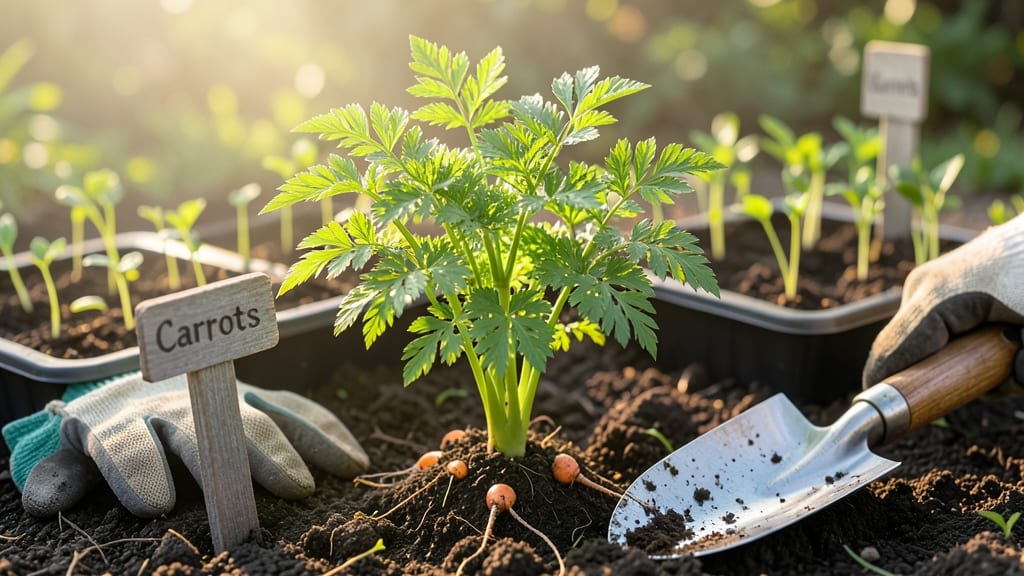
Timing your carrot planting in Ohio isn’t just about luck—it’s about beating the unpredictable spring weather that can turn your garden dreams into a guessing game.
Whether you're in Zone 6a or a nearby region, planting too early risks frost damage, while waiting too long means tough, forked roots or bolted greens before harvest.
Most Ohio gardeners know the ideal window starts in early spring, but the exact dates depend on your microclimate. In northern Ohio, you might start as early as late February or March, while southern Ohio can wait until April.
The key is soil temperatures—carrots need consistent warmth (at least 50°F) to germinate properly, and Ohio’s frost dates (mid-April to mid-October) add another layer of complexity.
Don’t worry if you’ve missed the spring window—Ohio’s climate also allows for a late-summer planting (August to early September) to extend your harvest into fall. With the right variety and preparation, you can enjoy sweet, straight 🥕 roots well into winter.
Let’s break down the exact timing, soil prep, and weather strategies to ensure your carrots thrive.
Ready to grow carrots that rival the ones at the grocery store? I’ll walk you through the step-by-step process, from choosing the best varieties for Ohio’s soil to adjusting for late frosts or heatwaves. By the end, you’ll know exactly when to plant—no more second-guessing, just crisp, flavorful results.
Ohio carrot planting calendar: exact dates by hardiness Zone (5-7)
Ohio’s USDA hardiness zones 5-7 create a nuanced timeline for planting carrots. In northern Ohio (Zone 5), like Cleveland or Toledo, you’ll need to start seeds indoors or use cold frames 4-6 weeks before your last frost date—typically mid-March.
Meanwhile, southern Ohio (Zone 6-7), such as Cincinnati or Columbus, can plant directly outdoors as early as late February to early March.
Carrots thrive in cool soil temperatures (50-85°F), so aim to plant your first batch 2-4 weeks before your average last frost date. In Ohio, this usually lands between March 15 and April 15, depending on your location.
For a fall harvest, plant again in late July to early August—about 10-12 weeks before your first frost.
Ohio’s microclimates can shift planting dates by 2-3 weeks. For example, Toledo (Zone 5b) may need to wait until April 1, while Columbus (Zone 6a) can start as early as March 15.
Check your local Ohio State University Extension office for precise frost dates tailored to your county.
Pro tip: Use a soil thermometer to confirm the ground has warmed to at least 50°F before planting. Cold soil slows germination, leading to uneven sprouts or bolting (premature flowering).
For continuous harvests, stagger plantings every 2-3 weeks from spring through early summer. This ensures you’re always pulling fresh carrots while avoiding the bolt risk that comes with hot summer temperatures. In Ohio, this means your last spring planting should wrap up by June 1.
Ohio’s first frost typically arrives in mid-October, but fall-planted carrots can often survive until November if protected with straw mulch. Varieties like ‘Nantes’ or ‘Paris Market’ handle cooler temps better than ‘Danvers’, which may need earlier harvests.
Remember: Carrot seeds germinate best in darkness, so avoid pressing them into the soil. Instead, scatter seeds lightly over loose, rock-free soil and cover with just 1/4 inch of dirt. Thin seedlings to 2-3 inches apart once they’re 2 inches tall to prevent forked roots.
If you’re in Zone 5 and face a late frost, opt for cold-hardy varieties like ‘Chantenay’ or use floating row covers to shield young plants. In Zone 7, prioritize shade cloth during peak summer heat to keep roots sweet and straight.
🌱
How to adjust planting for Ohio’s unpredictable weather: tips for success
Ohio’s last frost dates can swing wildly—from early April in southern zones to late May in northern areas—so flexibility is key. I’ve learned to use cold frames or row covers to extend the season by 2-3 weeks, especially in USDA Zone 5 regions like Cleveland.
For early starts, sow seeds indoors 4-6 weeks before your last frost date, then transplant seedlings outdoors once soil reaches 50°F. This trick helps me beat Ohio’s late spring frosts, which can devastate tender carrot greens.
Ohio’s flash frosts in May can kill young carrots. Wait until soil is consistently above 50°F for 7+ days before planting. Use frost cloth for extra protection if early planting is unavoidable.
🌡️ Pro Tip: Test soil temp with a soil thermometer—carrot seeds need 50-60°F to germinate.
Succession planting every 2 weeks from April to July ensures a steady harvest. I plant short-season varieties like ‘Paris Market’ first, followed by longer-maturing types like ‘Danvers’ as temperatures rise.
If summer heat arrives early, shade young plants with floating row covers to prevent bolting. Mulch with straw or grass clippings to retain moisture—Ohio’s July humidity can dry out soil quickly, leading to woody, bitter carrots.
For a fall crop, sow seeds in late July to early August for harvest before the first frost. Choose cold-hardy varieties like ‘Chantenay’ and use row covers to extend the season into November.
Always plant seeds ¼ inch deep in loose, stone-free soil—Ohio’s clay-heavy areas (like Columbus) need extra compost to prevent forked roots. Thin seedlings to 2-3 inches apart to avoid competition.