
Plants
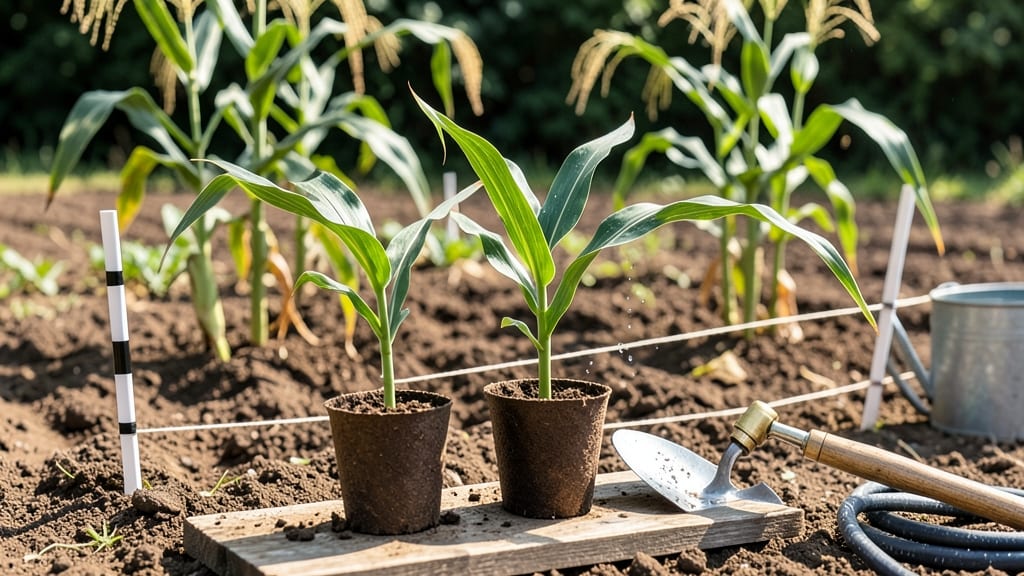
If you’ve ever wondered why your corn plants struggle to thrive in Alabama despite the warm climate, the answer likely lies in planting at the wrong time.
Getting the timing right—between mid-April and early June—is the key to unlocking a bountiful harvest, whether you’re growing sweet corn for meals or field corn for livestock.
The 7b-8a zones across Alabama offer a long growing season, but corn needs soil temperatures of at least 60°F to germinate properly. Planting too early risks frost damage, while waiting too long can lead to stunted growth or poor yields.
I’ll break down the exact windows for your region and share how to prepare your soil for success.
You’ll also discover which corn varieties thrive best in Alabama’s heat and humidity, along with spacing and depth tips to maximize your plot. Whether you’re a seasoned gardener or just starting, these insights will help you avoid common mistakes and enjoy a harvest from late July to October.
Ready to turn your garden into a cornfield? Let’s dive into the best practices for planting corn in Alabama—so you can enjoy fresh ears straight from your backyard.
Alabama corn planting calendar by hardiness zone (with exact dates)
Alabama’s three distinct hardiness zones (7a-7b, 8a-8b, 9a-9b) each have unique planting windows for corn. Getting the timing right ensures your plants avoid late frosts in the north and heat stress in the south. Let’s break down the exact planting dates and soil temperature requirements for each zone.
In North Alabama (Zones 7a-7b), the last frost typically occurs around March 15, but corn shouldn’t go in the ground until soil temperatures reach 50°F+.
This usually means waiting until mid-April for early varieties or late April for standard sweet corn. The window closes by May 15 to ensure harvest before fall frosts.
For Central Alabama (Zones 8a-8b), the frost-free date arrives earlier—around March 1—but corn still needs 60°F+ soil to germinate well. This zone’s ideal planting window stretches from early April to mid-May, with a final cutoff by June 1 for late varieties.
South Alabama (Zones 9a-9b) gardeners enjoy the longest growing season, with no frost risk after February 15. However, soil temperatures must still reach 60°F+ before planting. The best window here is mid-March to early June, allowing for multiple plantings if you want continuous harvests.
🌽
If you’re planting early varieties like Golden Bantam, you can push the envelope slightly—even as early as March in Central/South Alabama—but only if you use row covers to protect tender seedlings.
For standard sweet corn, stick to the mid-April to early May window to avoid earworm infestations, which thrive in hotter, later plantings.
Pro tip: Use a soil thermometer to confirm temperatures before planting. Cold soil can delay germination by weeks, leaving your corn vulnerable to pests and diseases. Aim for consistent 60°F+ readings at a 4-inch depth for best results.
🌡️
One more critical factor: succession planting. Alabama’s long season lets you plant corn every 2-3 weeks from April to June. This ensures a continuous harvest from late July through October.
For example, if you plant your first batch in mid-April, follow up with a second in early May and a third in late May.
For field corn (used for livestock or grain), extend your planting window by 2-3 weeks later than sweet corn. Field corn varieties like Pioneer Brand can tolerate slightly cooler soils and have longer maturity times, making them ideal for late June plantings in North Alabama.
Best corn varieties for Alabama and their ideal planting times
Choosing the right corn variety for Alabama isn’t just about taste—it’s about matching your planting window to the variety’s maturity rate. Alabama’s diverse hardiness zones (7a-9b) mean some varieties thrive in North Alabama’s cooler springs while others excel in South Alabama’s extended growing season.
Let’s break down the best options and their ideal planting times to maximize your harvest.
For North Alabama (Zones 7a-7b), focus on early-maturing varieties like Silver Queen or Peaches and Cream. These need to be planted by mid-April to avoid late-spring frosts, which can damage tender seedlings.
In Central Alabama (Zones 8a-8b), you’ve got more flexibility—planting from late March to early May works well for varieties like Country Gentleman or Golden Bantam.
South Alabama (Zone 9a-9b) gardeners can push planting even later, with June plantings possible for heat-tolerant varieties like Early Sunglow. These varieties handle Alabama’s summer heat better and still produce sweet ears before the first frost in November. Always check the days to maturity on seed packets to align planting with your local frost dates.
| Variety | Type | Best Planting Window | Days to Maturity | Alabama Growing Tip |
|---|---|---|---|---|
| Silver Queen | Sweet Corn | Mid-April to early May | 65–70 days | Ideal for North Alabama; plant after soil warms to 60°F. |
| Peaches and Cream | Sweet Corn | Late March to early June | 70–75 days | Versatile for Central Alabama; great for succession planting. |
| Country Gentleman | Heirloom | April to early May | 90–100 days | Perfect for South Alabama; handles heat well. |
| Early Sunglow | Sweet Corn | Late April to June | 60–65 days | Fast-growing; great for late-season plantings in South Alabama. |
| Golden Bantam | Dwarf Sweet Corn | Mid-April to early May | 60–70 days | Compact size; ideal for small gardens or containers. |
If you’re growing field corn (like Pioneer Brand), plant in late April to early May for North Alabama and March to June in South Alabama. Field corn needs more time to mature—aim for 90–120 days—so plan accordingly.
For succession planting, stagger your plantings every 2 weeks to ensure a continuous harvest through the summer.
Pro tip: Always soak corn seeds overnight before planting to speed up germination. This is especially helpful in Alabama’s clay-heavy soils, which can slow down seedling emergence.
Use a planting depth of 1–1.5 inches and space seeds 12 inches apart in rows 2.5–3 feet apart to give plants room to grow.
Remember, soil temperature is your best friend when planting corn. Wait until the soil reaches at least 60°F—use a soil thermometer to check. In Alabama, this usually aligns with mid-April to early May for most regions, but always adjust based on your local microclimate. Happy planting!