
Plants
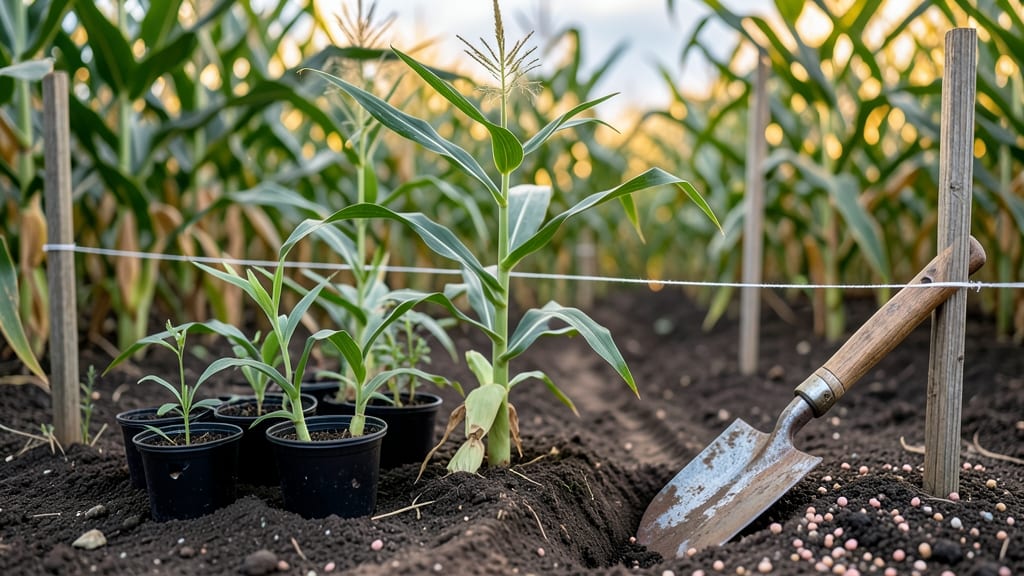
Planting corn in Ohio at the right time could mean the difference between a golden harvest and a sad, empty garden plot. With Zone 6a weather that swings between frost and heat, timing is everything—especially when your 🌽 needs 50°F soil to thrive.
Most Ohio gardeners swear by mid-April to early May as the sweet spot, but what if your spring arrives late—or early? The key isn’t just the calendar; it’s knowing when the last frost has passed and your soil has warmed enough.
I’ll break down the exact windows, plus how to adjust if Mother Nature throws you a curveball.
You’ll also discover which corn varieties perform best in Ohio’s short season, how to prep your soil for maximum growth, and even companion planting tricks to boost yields.
Whether you’re a first-time gardener or a seasoned pro, these tips will help you plan for a bountiful harvest from late July to October.
Let’s dive into the perfect planting schedule so you can enjoy fresh ears straight from your Ohio garden—without the guesswork.
Ohio corn planting dates by Zone 5-6 last frost guidelines
Timing your corn planting in Ohio is all about beating the last frost while ensuring warm soil—aim for mid-April to early May in most of the state.
Northern Ohio (Zone 5) typically waits until May 1-15 due to later frost dates, while southern Ohio (Zone 6) can start as early as April 15-30. The key threshold is soil temperatures above 50°F, which usually aligns with these windows.
Corn seeds need warmth to germinate, so rushing too early can lead to rot. Use a soil thermometer to confirm readiness—60°F+ is ideal for planting.
Ohio’s average last frost date is April 15, but northern regions like Toledo may see frost into May 1, while Cincinnati often warms up by April 20.
Here’s a quick breakdown of your planting timeline based on Ohio’s two main zones:
| Region | Zone | Last Frost Avg. | Planting Window | Soil Temp Goal |
|---|---|---|---|---|
| Northern Ohio | 5 | May 1 | May 1-15 | 60°F+ |
| Central Ohio | 5-6 | April 25 | April 25-May 10 | 55°F+ |
| Southern Ohio | 6 | April 15 | April 15-30 | 50°F+ |
For sweet corn varieties, which mature faster (60-75 days), you can push the envelope slightly earlier—especially in southern Ohio. Plant 1-2 weeks before your local last frost date if your soil is workable and temperatures are stable.
Just be prepared to cover seedlings with frost blankets if nighttime temps dip below 32°F.
If you’re growing field corn or popcorn, which take 90-110 days, stick to the later end of your zone’s window. These varieties need the full growing season to mature, so planting too early risks stunted growth from cool soils or late frosts.
Pro tip: Use biodegradable corn seed starters if planting early. These provide a warm microclimate for seeds and break down as the plant grows, eliminating transplant shock. They’re especially useful in Ohio’s Zone 5 where cool springs delay soil warming.
Always plant 1 inch deep and space seeds 6-12 inches apart in rows 24-36 inches apart. Thinner rows improve air circulation, reducing fungal risks like corn smut, which thrives in Ohio’s humid summers.
Adjust spacing based on your corn’s mature size—dwarf varieties need less room than standard hybrids.
Ohio’s 165 frost-free days give you a narrow window for corn, so plan for succession planting if you want multiple harvests. Stagger plantings every 2 weeks in May to extend your harvest from late July to early October.
This works best with fast-maturing varieties like ‘Silver Queen’ or ‘Peaches and Cream’.
Watch for false springs—those warm spells in March that trick you into planting too early. Corn seeds won’t germinate well below 50°F, and cool soils can cause seed rot. If you’re unsure, wait until nighttime lows stay above 40°F consistently for a week.
🌽
How to adjust corn planting for Ohio’s unpredictable weather patterns
Ohio’s unpredictable spring weather can throw off even the most experienced gardener’s planting schedule. One year, you might be planting by mid-April, and the next, late May frosts could leave your corn struggling.
The key is flexibility—adjusting your approach based on soil temperatures, frost risks, and even cover crops to protect your investment.
If you’re dealing with a late spring, don’t panic. Many gardeners in Zone 5-6 Ohio swear by cold-hardy corn varieties like ‘Early Sunglow’ or ‘Silver Queen,’ which can tolerate cooler soils better than standard hybrids.
Planting 1-2 weeks later than usual might still yield a harvest if you choose the right variety. Just be prepared to use row covers or black plastic mulch to warm the soil faster.
For those in northern Ohio, where frost can linger until mid-May, consider succession planting. Instead of betting everything on one planting, sow a small batch every 2 weeks until early June.
This spreads out your harvest and reduces the risk of losing your entire crop to a surprise frost. It’s extra work, but the payoff—fresh corn all summer—is worth it.
A callout warning about early frosts: If temperatures dip below 32°F after your corn has sprouted, young plants can suffer cold damage. To mitigate this, plant near a windbreak (like a fence or hedge) and avoid low-lying areas where frost collects.
If frost is forecasted, cover tender seedlings with lightweight row fabric at night and remove it the next morning.
⚠️ Warning: Late Planting Risks
Planting corn after mid-June in Ohio is risky—it may not mature before the first frost (mid-October). Use fast-maturing varieties (60-75 days) and prioritize early harvests to avoid disappointment.
Drought is another Ohio gardener’s nemesis, especially during July and August when corn needs the most water. To combat dry spells, mulch heavily with straw or grass clippings to retain moisture.
Drip irrigation is a game-changer for corn—it delivers water directly to the roots without wetting the leaves, reducing the risk of fungal diseases like leaf blight. If you’re using overhead sprinklers, water early in the morning to let foliage dry quickly.
Finally, don’t underestimate the power of soil preparation. Ohio’s clay-heavy soils can become compacted and waterlogged, stunting corn growth. Before planting, amend your soil with compost or aged manure to improve drainage and fertility.
A soil test can reveal if your garden needs phosphorus or potassium—corn is a heavy feeder and won’t forgive poor nutrition. Aim for a pH of 6.0-7.0 for optimal uptake.
With these strategies, you’ll turn Ohio’s unpredictable weather into an advantage. The goal isn’t perfection—it’s resilience. Even a partial harvest beats losing everything to a late frost or drought. Happy planting! 🌾