
Plants
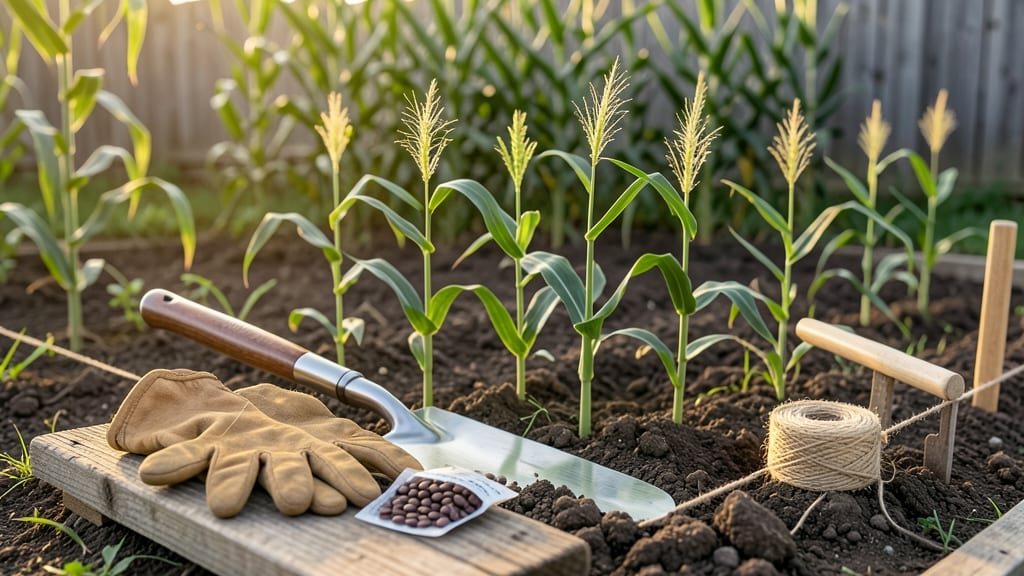
There’s nothing worse than watching your 🌽 corn plants wilt because you planted them too early—or too late in when do you plant corn in Tennessee. In the state’s 6a-7b zones, timing isn’t just about the calendar; it’s about avoiding frost and maximizing those sweet, plump ears.
Most gardeners know the general window—April 15 to May 15—but here’s the secret: East Tennessee’s mountain valleys, Middle Tennessee’s rolling hills, and West Tennessee’s Delta flatlands all have slightly different deadlines. A 2-week shift can mean the difference between a bumper crop and a sad, stunted plant.
I’ll break down the exact planting windows for your region, plus how to check soil temperature and adjust for early or late springs. No more guessing—just science-backed timing to ensure your corn thrives from July through October.
Ready to turn your garden into a cornucopia? Let’s get those seeds in the ground at the perfect moment—because in Tennessee, timing is everything.
Tennessee corn planting zones by region: exact dates for frost-free success
Corn thrives in Tennessee’s warm climate, but planting too early or late can mean the difference between a bountiful harvest and wasted seeds. The state’s three distinct regions—East, Middle, and West Tennessee—each have unique frost patterns and soil warming rates.
I’ll break down the optimal planting windows for each, plus how to adjust for unpredictable springs.
First, grab your local frost date data from the Old Farmer’s Almanac or your county extension office. These dates serve as your baseline, but soil temperature is the real game-changer.
Corn needs soil temps of 60°F (15°C) at 1-inch depth to germinate properly. A soil thermometer is your best friend here—don’t guess!
In East Tennessee’s mountain valleys (e.g., Knoxville, Chattanooga), cooler nights and slower soil warming mean you’ll want to wait until mid-to-late April.
The last frost typically occurs around April 15-20, but I recommend holding off until May 1 unless you’re using row covers or a greenhouse for early starts.
Middle Tennessee’s rolling hills (Nashville, Murfreesboro) offer a 2-week advantage over the mountains. Aim for April 15-May 1, but monitor soil temps closely. The Cumberland Plateau areas may need to wait until May 1-10 due to higher elevations. For the Nashville metro area, April 20-May 5 is ideal.
🌽 Tennessee Corn Planting Zones: Exact Deadlines
| Region | Last Frost Date | Optimal Planting Window | Soil Temp Requirement | Key Varieties |
|---|---|---|---|---|
| East Tennessee (Mountains) | April 15-20 | May 1-15 | 60°F+ (15°C) | 'Golden Bantam', 'Country Gentleman' |
| Middle Tennessee (Rolling Hills) | April 1-10 | April 15-May 1 | 60°F+ (15°C) | 'Silver Queen', 'Peaches & Cream' |
| West Tennessee (Delta) | March 15-April 1 | March 20-April 15 | 55°F+ (13°C) | 'Pioneer 39T38', 'Bodacious' |
*Adjust 1-2 weeks later for high-elevation areas or 1-2 weeks earlier for low-lying river valleys.
West Tennessee’s Delta flatlands (Memphis, Jackson) are the most forgiving, with earlier last frosts (March 15-April 1). You can start planting as early as March 20 if soil temps are right, but be prepared for late frosts—use black plastic mulch to warm the soil faster.
Varieties like 'Bodacious' thrive here thanks to their heat tolerance.
For all regions, late May plantings are risky but possible if you choose short-season varieties (60-75 days to maturity). These work best in high-altitude areas where summers are shorter. My go-to for late plantings is 'Early Sunglow', which matures in just 70 days.
Pro tip: If you’re direct-sowing (the best method for corn), plant 1 inch deep and 3 inches apart in rows 30-36 inches apart. Thinning to 8-12 inches between plants later gives roots room to breathe. For container growing, use 5-gallon buckets with dwarf varieties like 'Tom Thumb'.
Don’t forget to rotate your corn every year—planting in the same spot risks soil-borne diseases like corn smut or fusarium wilt. Pair it with beans or squash in a three-sister garden for natural pest control.
Finally, keep an eye on your local weather forecasts in late spring. A cold snap can set back germination by weeks. If frost is forecasted after planting, cover seeds with straw mulch or a cloche until temps rise.
With these regional guidelines, you’ll avoid the #1 mistake Tennessee gardeners make: planting too early. Patience pays off with sweet, plump ears by summer’s end! 🌽
How to adjust corn planting for Tennessee’s microclimates: mountain valleys vs. river bottoms
Tennessee’s diverse geography means your corn’s planting schedule can vary by weeks depending on whether you’re in the Appalachian foothills or the Mississippi River floodplain.
A 30-mile elevation drop from Knoxville to Memphis can shift your ideal planting window by 10-14 days, so local adjustments are key to avoiding frost damage or stunted growth.
Mountain valleys like those in East Tennessee (USDA Zone 6a) often experience cooler nights and later soil warming. Here, wait until mid-to-late April when soil temperatures consistently reach 60°F (15°C) at 4-inch depth.
River bottoms in West Tennessee (Zone 7b) can plant 2 weeks earlier—sometimes as early as early April—thanks to faster soil warming and milder nights.
Key Takeaway: Microclimate Adjustments
Elevation +1,000 ft: Plant 2 weeks later (e.g., April 25 instead of April 10)
River valleys: Soil warms 5-7 days faster than uplands
Urban heat islands: Can extend growing season by 10-14 days in cities like Nashville
Use the USDA Plant Hardiness Zone map as a starting point, but overlay it with local frost data from sources like the National Weather Service.
For example, Chattanooga’s Zone 7a averages its last frost on April 10, but the nearby Signal Mountain area (higher elevation) often sees frost until April 20.
Check your nearest weather station for soil temperature trends—corn seeds won’t germinate below 50°F (10°C), and cold soils can cause seed rot.
For container gardening in Tennessee’s urban microclimates, you can push planting dates 5-7 days earlier thanks to heat retention in pots. Place containers on black plastic mulch or near south-facing walls to accelerate soil warming.
In West Tennessee’s Delta region, where summers are hotter, opt for early-maturing varieties (like 'Silver Queen') to avoid drought stress during July’s peak heat.
Pro tip: Plant a test row 1-2 weeks before your target date to gauge soil conditions. If seedlings emerge within 7-10 days, your main planting is safe. If germination takes 14+ days, wait another week—cold soils delay growth and increase pest vulnerability.
Remember, corn’s ideal growing window is just 120 days from planting to harvest, so timing is everything in Tennessee’s short but intense summers.
Don’t forget to account for wind patterns: Valley floors in East Tennessee often experience inversion layers that trap cold air, delaying soil warming by 3-5 days. If you’re in a windy area, consider windbreaks or raised beds to protect young seedlings from desiccation.
With these microclimate tweaks, you’ll turn Tennessee’s diverse growing conditions into an advantage for bountiful corn harvests.