
Plants
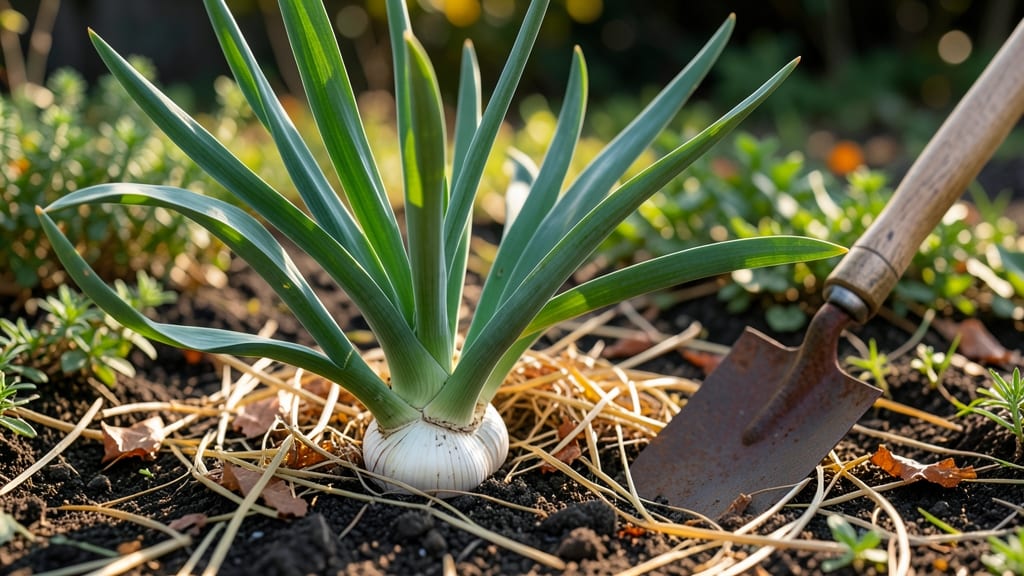
Planting garlic in Alabama at the wrong time means missing out on bold, homegrown bulbs that taste far better than store-bought. The key to success lies in timing—specifically, fall planting between October and November when the soil is still warm but frost isn’t far behind.
Alabama’s Zone 7b-8a climate creates the perfect conditions for garlic if you plant it early enough. Too late, and your crop won’t mature before summer heat arrives.
Too early, and frost can damage young plants before they establish roots. Getting it right ensures a harvest of plump, flavorful 🧄 bulbs by late spring.
This guide breaks down the best planting windows, soil prep tips, and garlic varieties that thrive in Alabama’s humid summers and mild winters. Whether you’re a seasoned gardener or just starting, these insights will help you avoid common mistakes and maximize your yield.
From choosing the right variety to protecting your crop from Alabama’s unpredictable frost dates, we’ll cover everything you need to know for a successful harvest. Let’s get your garlic growing right the first time.
Best planting dates for garlic in Alabama (Zone 7b-8a)
Alabama’s mild winters and humid climate create perfect conditions for growing garlic—but only if you plant at the right time. Unlike cool-season crops, garlic needs a cold dormancy period to develop bulbs, so timing your fall planting is critical.
In Zone 7b-8a, the ideal window is between mid-October and early November, when soil temps drop below 70°F but before the first hard frost.
Why? Garlic cloves need 60-80 days of cold (below 40°F) to form bulbs. Plant too early, and your garlic may bolt prematurely or rot in wet Alabama soils. Plant too late, and bulbs won’t mature before summer heat arrives.
North Alabama (Zone 7b) has a shorter growing season, so aim for October 15–November 1, while South Alabama (Zone 8a) can stretch until November 15.
Here’s how Alabama’s climate affects your timing:
- Early frost risk (Mid-November in North Alabama) means planting after November 10 could stunt bulb growth.
- Warm winters (especially in South Alabama) may require organic mulch to protect cloves from freezing.
- Spring rains (April–May) can cause rot if garlic isn’t planted deep enough.
🌱 Alabama Garlic Planting Timeline
| Stage | Action | Notes |
|---|---|---|
| Soil Prep | Test pH (6.0–7.0), amend with compost | Alabama clay? Add sand for drainage |
| Planting Window | Mid-October–Early November | Zone 7b: Oct 15–Nov 1; Zone 8a: Nov 1–15 |
| Cold Requirement | 60–80 days below 40°F | Mulch with 2–3" straw to retain cold |
| Harvest Ready | Late April–June | Lower leaves brown; bulbs firm when squeezed |
If you miss the fall window, you can try spring planting (February–March), but bulbs will be smaller and less flavorful. Spring-planted garlic lacks the cold dormancy needed for full bulb development.
For best results, stick to fall planting and use certified organic cloves from reputable suppliers to avoid diseases like white rot, which thrives in Alabama’s humidity.
Pro tip: Mark your calendar for October 20th—this is the sweet spot for most of Alabama. If you’re in North Alabama (e.g., Huntsville, Decatur), plant by October 31st to avoid early frosts. In South Alabama (e.g., Mobile, Dothan), you can push planting until November 10th safely.
Watch for soil temperature drops below 50°F—this signals it’s time to plant. Use a soil thermometer ($10 at garden centers) to track temps. In Alabama’s Zone 7b-8a, soil temps typically hit this threshold by late October, making it the perfect cue to start.
One common mistake Alabama gardeners make? Planting too shallow (1–2 inches deep). Garlic cloves need 4–6 inches of soil coverage to prevent spring heaving and rot. In heavy clay soils (common in Central Alabama), amend beds with compost and sand to improve drainage.
Finally, don’t forget to label your rows! Alabama’s humid summers can make it easy to confuse garlic with weeds. Use biodegradable plant markers or stake flags to track varieties and planting dates.
With the right timing, your Alabama-grown garlic will be plump, flavorful, and disease-resistant—far superior to store-bought. Next up: soil prep to ensure your cloves get the nutrients they need to thrive.
Best planting dates for garlic in Alabama (Zone 7b-8a)
Alabama’s Zone 7b-8a climate creates a perfect window for planting garlic in fall, but timing is critical. Unlike cool-weather crops, garlic needs 6-8 weeks of cold dormancy before spring growth.
Plant too early, and your cloves may rot; too late, and they won’t establish roots before winter. For Alabama, this means aiming for mid-October to early November in most regions.
Northern Alabama (Zone 7b) has slightly earlier frost dates (mid-November), so gardeners should plant by late October. Southern Alabama (Zone 8a), with later first frosts (early December), can extend planting until early November.
The key is planting 4-6 weeks before the ground freezes—this gives garlic time to root before winter dormancy begins.
Soil temperature is your best guide. Garlic cloves need soil temps below 70°F (ideally 50-60°F) to sprout properly. In Alabama, this typically aligns with late September to early October.
Use a soil thermometer to confirm—if temps stay above 70°F for more than 2 weeks, delay planting until conditions cool.
⚠️ CRITICAL TIMELINE FOR ALABAMA GARDENERS
| Region | Ideal Planting Window | Soil Temp Goal | First Frost Date |
|---|---|---|---|
| North AL (Zone 7b) | Late October | Below 70°F | Mid-November |
| Central AL (Zone 7b-8a) | Mid-October to Early November | 50-60°F | Late November |
| South AL (Zone 8a) | Early to Mid-November | Below 70°F | Early December |
What if you miss the fall window? Spring planting is possible in Alabama, but yields will be smaller and later. Plant in late January to early February for a summer harvest, but expect bulbs to mature 2-3 weeks later than fall-planted garlic.
This method works best for softneck varieties, which tolerate warmer conditions better than hardnecks.
Pro tip: Use organic mulch (straw or leaves) after planting to insulate cloves during winter. In Alabama’s humid climate, this prevents rot and keeps soil temps stable. Remove mulch in early spring (March) to allow soil to warm and encourage sprouting.
For Alabama gardeners, fall planting is non-negotiable for the best harvest. Mark your calendar for October-November, test your soil, and get ready for garlic that’s bigger, bolder, and fresher than store-bought. The effort pays off in late April-June when your homegrown bulbs are ready to harvest! 🧄