
Plants
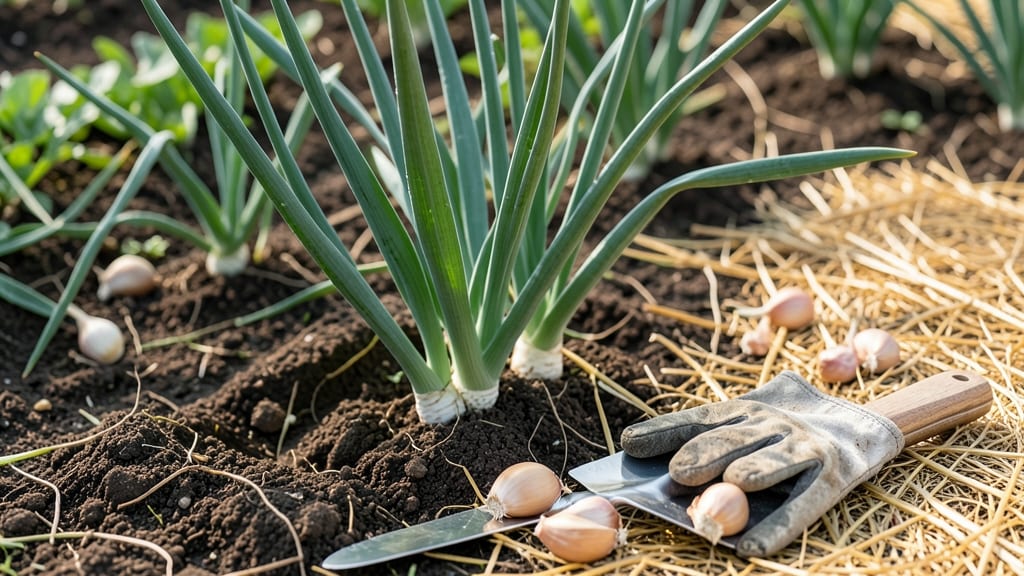
Planting garlic in Colorado isn’t just about throwing cloves into the ground—it’s about syncing with the state’s unique climate to unlock bigger bulbs and healthier plants. The key? Getting those 🧄 cloves in the soil during the right fall window, when temperatures drop but the ground stays workable.
Most Colorado gardeners assume spring is the time to plant garlic, but hardneck varieties—like those thriving in USDA zones 5-7—need a fall start to establish roots before winter.
Miss this window, and you risk stunted growth or poor yields. Whether you’re in the Front Range or Western Slope, timing matters more than you might think.
In this guide, I’ll walk you through the exact months to plant garlic in Colorado, how to prep your soil for high-altitude success, and why a little frost actually helps your harvest.
By the end, you’ll know not just when to plant, but how to set your garlic up for a bountiful summer harvest—no guesswork required.
Ready to turn your garden into a garlic powerhouse? Let’s dive into the science and steps that make all the difference in Colorado’s unpredictable climate.
Best fall planting window for Colorado garlic: month-by-month breakdown
Colorado’s high-altitude climate and variable frost dates make timing critical for garlic success. Unlike many crops, garlic requires fall planting to establish roots before winter dormancy. The ideal window is mid-October to early November, but exact dates depend on your elevation and microclimate.
Front Range gardeners (Denver, Boulder) typically plant 2-3 weeks earlier than Western Slope growers (Grand Junction, Durango) due to cooler temperatures at higher elevations.
Garlic bulbs need 4-6 weeks of root growth before the ground freezes solid. This means planting 6-8 weeks before your average first hard frost. In Colorado, this usually translates to late September to mid-November, but soil temperature (not air temperature) is the true trigger.
Aim for 40-50°F soil temps—when nighttime temps consistently drop below 50°F, it’s time to plant.
Here’s how to adjust your timing based on Colorado’s USDA zones 5-7:
🌱 Colorado Garlic Planting Timeline
| Region | Ideal Planting Window | Soil Temp Threshold | Key Notes |
|---|---|---|---|
| Front Range (Denver/Boulder) | Mid-October – Early November | 40–50°F | First frost ~Oct 20–Nov 5 |
| Western Slope (Grand Junction) | Late October – Mid-November | 45–55°F | First frost ~Nov 1–15 |
| High Altitude (Above 8,000ft) | Late September – Early October | 35–45°F | Frost can arrive as early as Sept 20 |
| Eastern Plains (Colorado Springs) | Early October – Mid-November | 40–50°F | First frost ~Oct 25–Nov 10 |
If you miss the ideal window, don’t panic—garlic can still be planted into early December in high-altitude areas (above 7,000ft), but bulbs may be smaller. The key is ensuring roots establish before the ground freezes. Use a soil thermometer to monitor temps; garlic roots stop growing at 28°F.
Pro tip: Hardneck varieties (like ‘German White’ or ‘Chesnok Red’) are best for Colorado. They thrive in our cold winters and produce scape shoots that boost yield.
Plant them 2 inches deep, with 4–6 inches between cloves and 12 inches between rows to prevent disease and maximize bulb size.
Colorado’s rocky soil can be tricky—amend with compost or aged manure before planting to improve drainage. Avoid planting where potatoes or onions grew recently, as they share diseases. Once planted, mulch heavily (4–6 inches) with straw or leaves to insulate bulbs through winter.
Timing isn’t just about the calendar—it’s about soil conditions. Wait until the ground is cool but workable (not frozen or waterlogged). In dry years, water lightly after planting to help roots establish. In wet years, ensure good drainage to prevent rot.
Remember: Garlic planted in fall overwinters, then grows rapidly in spring. By late June, you’ll harvest plump bulbs ready for braiding or storage. The earlier you plant in the window, the larger your harvest—so mark your calendar and get those cloves in the ground!
🌱
How to time garlic planting for Colorado’s climate: soil prep and frost strategies
Colorado’s high-altitude climate and unpredictable frost dates make timing critical for garlic success. Unlike spring planting, fall planting lets garlic establish roots before winter dormancy, ensuring robust bulbs by harvest.
The key? Planting when soil temps hit 40-50°F—typically mid-October to early November—but adjust for your elevation and microclimate.
For example, Denver (Zone 5) gardeners should aim for October 15-30, while Western Slope areas (Zone 6-7) can plant slightly later, into early November. The goal is to give garlic 4-6 weeks of root growth before the ground freezes solid.
Use a soil thermometer to confirm temps—this is non-negotiable for Colorado’s variable weather.
Planting after November 15 in most of Colorado delays bulb formation, resulting in smaller harvests. High-altitude areas (e.g., Fort Collins, Steamboat Springs) can push to early December, but avoid planting when soil temps drop below 40°F—roots won’t develop properly.
Start by amending rocky Colorado soil with compost or aged manure to improve drainage and fertility. Garlic hates soggy roots, so if your garden sits in a low spot, consider raised beds.
Work in 1-2 inches of compost and a balanced fertilizer (10-10-10) at planting time. For sandy soils (common in Eastern Plains), add organic matter to retain moisture.
When planting, bury cloves 2 inches deep, pointy end up, with 4-6 inches between cloves and 12 inches between rows. Space matters—crowded garlic competes for nutrients, leading to smaller bulbs.
After planting, apply 2-3 inches of straw mulch to insulate cloves from freeze-thaw cycles and suppress weeds. This mulch layer is your first line of defense against Colorado’s wild temperature swings.
Monitor for early frosts (common in September-October at higher elevations). If a hard freeze hits before planting, wait until soil temps stabilize. Conversely, if unseasonably warm weather delays frost, prioritize planting over waiting—garlic can handle light frosts once roots are established.
Use a row cover if nights dip below 20°F to protect young plants.
Spring care is minimal: remove mulch in late winter to reveal emerging shoots, then water deeply once a week (more in drought years). By June, watch for scape formation—those curly stems signal your garlic is thriving.
If you skip harvesting scapes, they’ll drain energy from bulb development, but saving them for pesto or stir-fries is worth the trade-off for many gardeners.
Pro tip: Mark your planting date on a calendar and note the first frost date for next year. Colorado’s climate shifts yearly, so adjust your window annually based on real-world observations.
With the right timing and prep, your hardneck garlic will reward you with bold flavors and robust bulbs—worth the effort! 🌱