
Plants
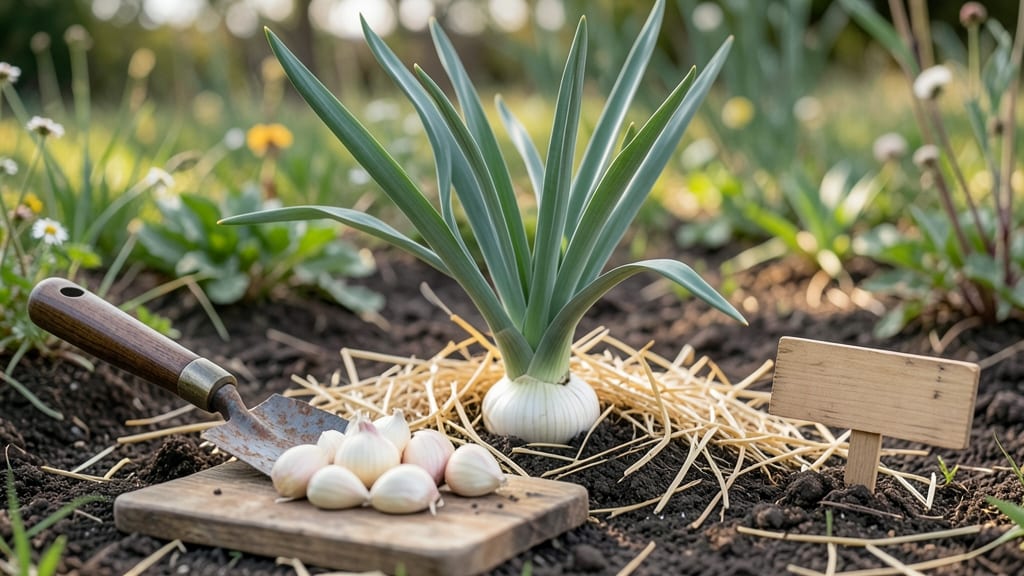
Planting garlic in Missouri at the wrong time can mean the difference between a bountiful harvest and wasted effort. The key to growing hardy, frost-resistant garlic 🧄 lies in understanding your local climate—especially in USDA zones 5b-6a.
If you’ve ever wondered why some gardeners get perfect bulbs while others struggle, timing is the most important factor.
Most Missouri gardeners know fall is the perfect season to plant garlic, but the exact window matters. Planting too early or too late can leave your cloves vulnerable to winter extremes or prevent proper root establishment.
I’ll break down the ideal October-November planting schedule and why it works so well for Missouri’s climate.
Whether you’re growing hardneck or softneck varieties, the right timing ensures your garlic develops strong roots before the ground freezes. This guide will walk you through everything you need to know—from soil prep to frost protection—to maximize your harvest next late June-July.
Ready to grow garlic that thrives in Missouri’s unique conditions? Let’s dive into the best practices for planting garlic at the perfect moment for your zone.
Missouri garlic planting calendar: hardneck vs softneck timing differences
Missouri’s USDA Zones 5b-6a create a unique challenge for garlic growers—plant too early, and your cloves might rot; too late, and they won’t establish roots before winter. The key? Understanding the hardneck vs softneck timing differences, which directly impact your harvest success.
Hardneck varieties, like ‘Music’ or ‘German White’, are Missouri’s gold standard—they thrive in cold winters and produce those prized hardneck scapes. Softnecks, like ‘Silverskin’, are more flexible but need slightly later planting to avoid winter damage.
Here’s the critical timing breakdown: Hardnecks must go in the ground 4-6 weeks before your first hard frost (typically mid-October to early November in Missouri). Softnecks can stretch that window to late November or even early December in milder microclimates.
| Variety Type | Ideal Planting Window | Soil Temp Requirement | Missouri Zone Adaptation |
|---|---|---|---|
| Hardneck | October 15–November 15 | 40–50°F (4–10°C) | Best for Zones 5b-6a; needs winter chill |
| Softneck | November 1–December 15 | 45–55°F (7–13°C) | Flexible for Zones 6a-7; tolerates milder winters |
| Both Types | Avoid after December 1 | N/A | Risk of rot in frozen ground |
Missouri’s variable frost dates make this timing even trickier. Check your local average first frost date (usually November 15 for most of the state) and count backward. For hardnecks, aim to plant when soil temps hover around 50°F (10°C)—warm enough for root growth but cold enough to trigger dormancy.
Pro tip: Use a soil thermometer to monitor temps. If your soil stays above 55°F (13°C) for more than a week post-planting, your garlic may bolt prematurely. In northern Missouri (Zone 5b), prioritize hardnecks—they handle colder soils better.
For southern Missouri (Zone 6a), softnecks give you more flexibility. Their later planting window lets you avoid early winter thaws that can wake garlic too soon. Just be prepared to protect them with mulch or row covers if temperatures dip below 20°F (-7°C).
One common mistake? Planting based on air temperature instead of soil temperature. A crisp October day might feel perfect, but if your soil is still warm from summer, your cloves won’t root properly. Always dig down 4 inches deep to check—this is where your garlic’s roots will grow.
Missouri’s microclimates also play a role. Urban areas like St. Louis (Zone 6b) often stay warmer than rural Columbia (Zone 6a). If you’re unsure, ask your local Cooperative Extension office for hyper-local advice—they track frost dates and soil conditions year-round.
Remember: Hardnecks need cold to form bulbs, while softnecks tolerate mild winters. Choose your variety based on your zone and taste preferences—hardnecks have more robust flavor but require precise timing, while softnecks are forgiving but store longer.
Once you’ve nailed the timing, the next step is soil prep and frost protection, which we’ll cover in the next section. For now, mark your calendar and get those cloves in the ground before the first frost hits!
Missouri garlic planting calendar: hardneck vs softneck timing differences
Missouri’s USDA Zones 5-7 create a unique challenge for garlic growers—planting too early or too late can ruin your harvest. The key difference lies in hardneck vs softneck varieties, each requiring distinct timing to thrive through Missouri’s freezing winters and hot summers.
Hardneck garlic, like ‘Music’ or ‘German Red’, needs a cold period to form bulbs, making fall planting (October-November) ideal. Softneck varieties, such as ‘Silverskin’, are more flexible but still benefit from late fall planting (November-December) in warmer Missouri microclimates.
| Variety | Planting Window | Key Requirement | Missouri Notes |
|---|---|---|---|
| Hardneck | October 1–November 15 | 4–6 weeks before ground freezes | Best for colder zones (5b-6a); needs winter chill |
| Softneck | November 1–December 15 | Soil temps below 60°F | Works in milder microclimates; less frost-dependent |
Missouri’s first frost date (mid-November) is your deadline—planting after this risks poor bulb development. For hardneck varieties, aim for 60–70 days of cold below 40°F to ensure scape production and strong bulbs.
Soil temperature plays a critical role: ideal planting soil temps should be 40–50°F. Use a soil thermometer to check—cooler temps (below 40°F) can stunt root growth, while warmer soils (above 50°F) may encourage premature sprouting.
Pro tip: In Zone 6a, where winters are milder, you can push softneck planting into early December. However, always cover beds with 4–6 inches of straw mulch to protect cloves from freeze-thaw cycles that can heave them out of the soil.
Missouri’s last frost (mid-April) signals the start of garlic’s active growth phase. By then, your cloves should already be established, ready to emerge as green shoots when soil warms to 50°F.