
Plants
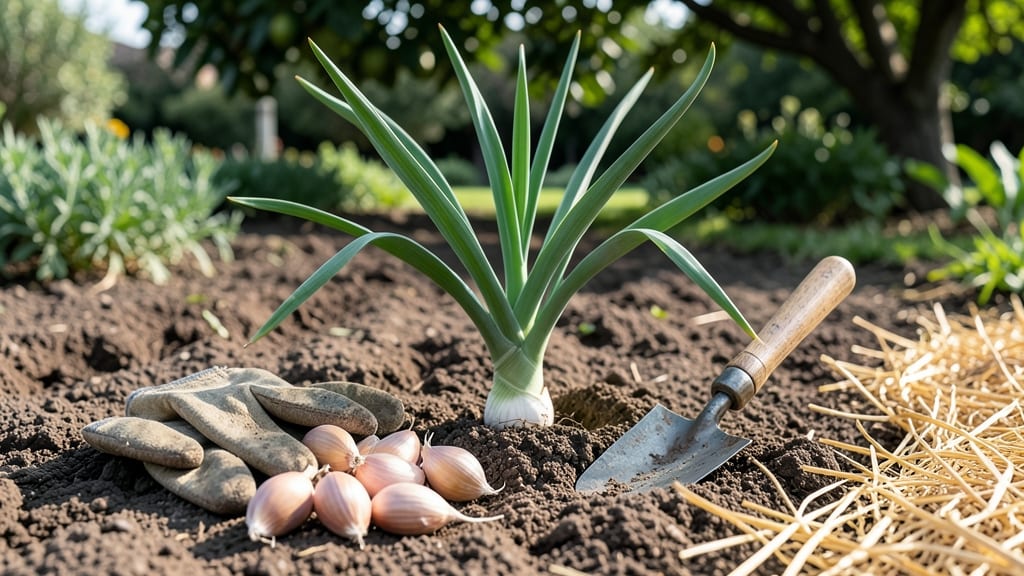
Planting garlic in Vermont at the wrong time can mean the difference between a bumper crop of plump, flavorful bulbs and a disappointing harvest. With USDA Zone 5b winters that demand precision, timing is everything—especially for hardneck varieties that thrive in cold climates like Vermont’s.
Most gardeners know fall planting is ideal, but did you know the 4-6 week window between late September and early October is critical? This timing ensures your 🧄 garlic establishes roots before winter dormancy, setting the stage for robust growth come spring.
Skipping this window risks stunted bulbs or even complete failure.
What you’ll discover here is how Vermont’s unique climate—from early frosts to rocky soil—shapes the best planting strategy. Whether you’re a seasoned gardener or new to growing garlic, these insights will help you avoid common mistakes and maximize your yield.
From selecting the right hardneck varieties to adjusting for microclimates, we’ll cover everything you need to know to plant garlic for the best harvest in late June or early July. Let’s get started!
Vermont hardneck garlic planting calendar: exact dates for maximum yield
Vermont’s USDA Zone 3-4 climate demands precise timing for hardneck garlic—the star of Vermont gardens. The 60-day cold stratification requirement means planting too late risks weak roots, while planting too early can lead to premature sprouting.
For maximum yield, aim for late September to early October, when soil temps drop below 50°F (10°C) but before hard frost.
This window ensures garlic establishes roots before winter dormancy, setting the stage for large, flavorful bulbs by harvest season. Vermont’s short growing season (just 165 frost-free days) means every day counts—delaying planting by even 2 weeks can reduce bulb size by 20-30%.
Let’s break down the exact timeline and what it means for your garden.
🌱 Did You Know?
Vermont’s Secret Weapon
Hardneck varieties like Purple Stripe and Rocambole thrive in Vermont’s cold winters—they need 60+ days below 40°F (4°C) to form bulbs. Without this, you’ll get small, weak cloves or even no harvest at all.
Here’s your Vermont garlic planting calendar, tailored to the USDA Zone 3-4 climate and accounting for Vermont’s unpredictable spring thaw. Use this as your guide to avoid common mistakes and maximize your harvest.
For hardneck varieties like Purple Stripe or Rocambole, Vermont’s climate is ideal—just get the timing right. If you miss the fall window, you can try spring planting, but yields will be 50% smaller.
The key is ensuring garlic gets its 60-day cold snap; Vermont’s winters handle this naturally, but high-altitude areas (like Stowe or Jay Peak) may need extra snow cover for insulation.
Pro tip: Use mulch (straw or leaves) after planting to protect cloves from freeze-thaw cycles, which can heave bulbs out of the soil. This is especially critical in Zone 3 areas where temps can drop below -20°F (-29°C).
Mulch also retains moisture during Vermont’s dry springs, giving your garlic a head start.
If you’re planting softneck varieties (like Silverskin), they can handle spring planting in March-April, but hardnecks must be planted in fall for that cold stratification. Vermont’s short season means no second chances
How to adjust garlic planting time for Vermont’s microclimates
Vermont’s diverse landscapes—from the Green Mountains to the Champlain Valley—create unique growing conditions that can shift garlic planting windows by weeks. In high-altitude areas like Stowe or Jay Peak (USDA Zone 3), aim to plant by mid-September to avoid early freezes.
Meanwhile, valley regions like Burlington (Zone 5) can extend planting until early October due to milder microclimates.
Soil temperature is your best guide: plant when soil reaches 40–50°F and holds steady for 10+ days. Use a soil thermometer to track—this threshold often arrives 2–3 weeks earlier in southern Vermont than in the northeast kingdom.
Snow cover acts as insulation, so areas with deep, persistent snow (like the Mad River Valley) can push planting to late October without risk.
Urban gardeners in Burlington or Montpelier face different challenges: concrete absorbs heat, delaying frost. Test soil in early November—if it’s still workable, plant garlic cloves and mulch heavily with straw or leaves to protect from unpredictable thaws.
For container growing, use black plastic pots to warm soil faster in spring.
Traditional vs. Experimental Planting
- Plant 4–6 weeks before hard freeze
- Relies on natural winter chilling (60+ days below 40°F)
- Best for hardneck varieties (Rocambole, Purple Stripe)
- Lower risk of rot in wet springs
- Plant March–April after last frost
- Requires artificial chilling (refrigerator for 6 weeks)
- Works for softneck varieties (Silverskin, Artichoke)
- Higher pest pressure (thrips, aphids)
- Proven high yield in Vermont
- Natural pest resistance from cold
- Simpler soil prep (no chilling needed)
- Limited planting window (miss it = failure)
- Risk of heaving in freeze-thaw cycles
- Requires early spring mulching
For late frosts (common in May), use row covers or plant near south-facing walls to warm soil faster. If you’re experimenting with spring planting, start cloves in the fridge for 6 weeks to mimic winter chilling.
This method works best for softneck garlic, which tolerates warmer soils—but expect smaller bulbs than traditional fall-planted hardnecks.
Vermont’s rocky soils often need amendments: mix in compost or aged manure to improve drainage, especially in low-lying areas prone to spring flooding. Test soil pH (aim for 6.0–7.0shady, prioritize early-maturing varieties like ‘German White’ to compensate for limited sunlight.
Adjust your planting strategy based on local frost records: check the Vermont Weather Underground station nearest you for 5-year averages. In Zone 3, plant by September 20th; in Zone 5, you might push it to October 15th.
Remember: hardneck garlic needs cold—don’t skip the winter dormancy, or you’ll sacrifice flavor and size.
🌱