
Plants
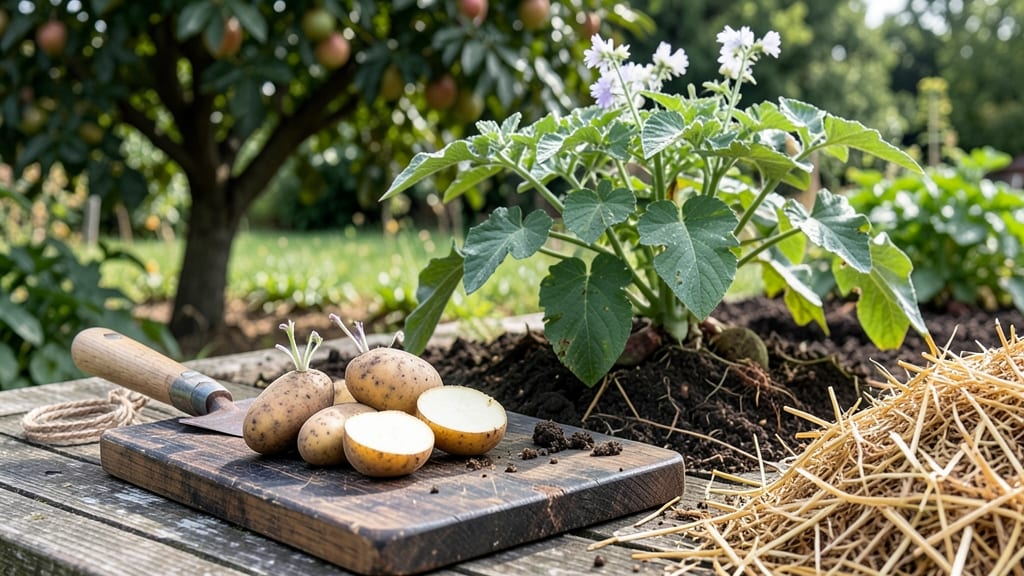
If you’ve ever wondered when to plant potatoes in California, the answer isn’t one-size-fits-all—because the Golden State’s microclimates can turn a great harvest into a flop if you time it wrong.
Coastal fog, inland heat, and desert dryness all demand different strategies, and getting it right means the difference between a bountiful 🥔 harvest and wasted effort.
You might assume spring is the only time to plant, but California’s diverse USDA zones 8a-10b actually allow for two planting windows: late winter to early spring for coastal areas and fall for warmer inland regions.
The key? Understanding your local frost dates and soil temperatures—because planting too early or too late can leave your tubers struggling.
In this guide, I’ll break down the exact planting schedules for California’s three main regions—coastal, Central Valley, and desert—so you can match your timing to your microclimate. We’ll also cover how to adjust for elevation, water scarcity, and even when to break the rules for extended harvests.
Ready to grow potatoes like a pro? Let’s dive into the region-specific timing that’ll give you the most flavorful, abundant yield this season.
California potato planting zones: exact timing by region (coastal, Valley, desert)
California’s three distinct potato-growing zones—coastal, Central Valley, and desert—each demand unique planting windows to avoid frost damage or heat stress.
The last frost dates shift dramatically: coastal areas like San Francisco may see frost as late as December 15, while inland valleys like Bakersfield face frost by January 15. Desert regions like Palm Springs rarely experience frost, allowing fall planting for spring harvests.
Potatoes thrive when soil temperatures reach 50–60°F, a benchmark that arrives earlier in warmer inland zones (as early as February) but lingers into April in cooler coastal areas. Early varieties like Yukon Gold or Red Pontiac are ideal for coastal gardeners, while late-maturing types such as Russet Burbank suit desert climates where summers are scorching.
Here’s how to align your planting schedule with California’s microclimates for a bumper crop:
| Region | Last Frost Date | Ideal Planting Window | Soil Temp Goal | Best Varieties |
|---|---|---|---|---|
| Coastal (e.g., San Francisco, Santa Barbara) | December 15 – January 15 | Late February – Early April | 50–60°F (plant when soil warms) | Yukon Gold, Red Pontiac, Fingerlings |
| Central Valley (e.g., Sacramento, Fresno) | January 15 – February 15 | Early February – Mid-March | 55–65°F (warmer soils faster) | Russet Burbank, Kennebec, Purple Viking |
| Desert (e.g., Palm Springs, Coachella) | Rare (plant year-round) | Fall (September–October) for spring harvest | 60–70°F (avoid summer heat) | Sweet Potato (Ipomoea batatas), Purple Majesty |
For coastal gardeners, aim to plant 4–6 weeks before the last frost to ensure tubers form before summer heat arrives.
In the Central Valley, where frost is less predictable, late February is your sweet spot—soil warms quickly, and you’ll avoid spring rains that can rot seed potatoes. Desert regions offer a unique advantage: plant in fall (September–October) to harvest before summer’s 100°F+ temperatures stress the plants.
Pro tip: Use black plastic mulch in cooler zones to warm soil faster, or shade cloth in desert areas to protect young plants from intense sun. Both tricks can extend your planting window by 2–3 weeks in marginal climates.
If you’re in a transition zone (e.g., Santa Cruz Mountains), test soil temperature with a soil thermometer. Plant only when readings hit 50°F for 3+ days—this prevents cold soil shock, which stunts tuber development.
For extended harvests, try a staggered planting strategy: sow half your seed potatoes in February and the other half in March. This ensures a continuous supply of new potatoes from spring through early summer, perfect for farmers' markets or home storage.
Remember: Potatoes need 90–120 days to mature, so align your planting with your harvest goals. Coastal gardeners should prioritize early varieties, while desert growers can experiment with longer-season types if they’re willing to irrigate heavily during summer.
🌱
How to adjust planting for California’s microclimates: 5 critical factors
California’s microclimates can shift your potato planting window by 4-6 weeks, so understanding local factors is key. For example, coastal fog in San Francisco delays planting by 2-3 weeks compared to Sacramento’s inland heat. Let’s break down the 5 critical factors that determine your exact planting date.
First, elevation plays a huge role. For every 1,000 feet you climb, add 1-2 weeks to your planting schedule. Mountain regions like Lake Tahoe (7,000ft+) may need to plant as early as February, while valleys like Bakersfield can wait until March or April.
Always check soil temperature—potatoes thrive when it’s 50-60°F.
Coastal fog is another game-changer. Areas like Santa Cruz or Monterey experience delayed warming, so push planting back by 2-3 weeks compared to inland zones. Use a soil thermometer to confirm readiness—if temps hover below 50°F, wait it out.
🌱 Visual Element: Numbered Highlights 🌱
- 📏 Elevation: Add 1-2 weeks per 1,000ft (mountains plant earlier).
- ☁️ Coastal Fog: Delay by 2-3 weeks in foggy zones (e.g., Santa Cruz).
- 💧 Irrigation Access: Drought-prone areas (e.g., Central Valley) need fall planting for spring harvest.
- 🏔️ Microclimate Zones: Coastal (March-April), Valley (February-March), Desert (October-November).
- 🌡️ Soil Temp: Wait until 50-60°F—use a soil thermometer to confirm.
Next, consider irrigation access. Drought-prone areas like the Central Valley often rely on fall planting (September-October) to ensure enough water for spring harvests. If you’re in a water-restricted zone, prioritize drought-tolerant varieties like Yukon Gold or Red Pontiac, which mature faster.
Soil type also matters—sandy soils warm up faster but dry out quickly, while clay soils retain moisture but can become waterlogged. Amend your soil with compost or aged manure to improve drainage and fertility. A quick test: Grab a handful of soil—if it crumbles easily, it’s ready for planting.
Finally, don’t overlook local frost patterns. While coastal areas like San Diego rarely see frost, inland valleys (e.g., Fresno) can experience light frosts in December.
Use frost cloth if planting early in high-risk zones. For a foolproof approach, aim to plant 4-6 weeks before your area’s average last frost date.
By adjusting for these 5 factors, you’ll pinpoint the perfect planting window for your California garden—whether you’re in foggy coastal zones, sunbaked valleys, or high-desert regions. Pro tip: Bookmark your local Cooperative Extension office’s frost maps for real-time updates! 🌱