
Plants
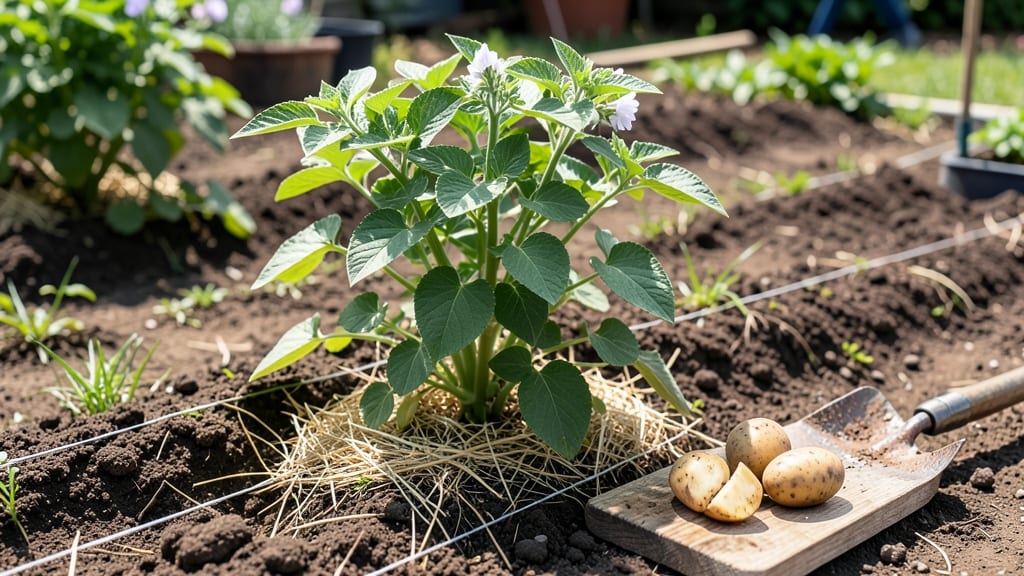
If you’ve ever wondered when to plant potatoes in Florida without ending up with stunted, heat-stressed tubers, timing is your secret weapon. Florida’s frost-free winters and scorching summers mean traditional planting windows don’t apply—so what works here?
The key is planting 🥔 early varieties in January–March or late varieties in September–October, when soil temperatures stay cool enough to prevent stress. Skip the summer months, and you’ll avoid the common mistake of planting too late when the heat arrives.
Let’s break down the exact months and varieties that thrive in Florida’s 9a–11 climate.
You’ll also discover how to prep your soil for maximum yield, which heat-tolerant varieties perform best, and why mulching can make all the difference. Whether you’re a first-time gardener or a seasoned grower, these tips will help you avoid wasted effort and harvest a bountiful crop.
Ready to grow potatoes that actually flourish in Florida’s heat? Let’s get started with the best planting schedule for your region.
Best months to plant potatoes in Florida for maximum yield
Florida’s unique climate—with its warm winters and long frost-free periods—lets you grow potatoes year-round, but timing is key. The ideal window for planting is January through March, when soil temperatures hover between 50°F and 65°F. This cooler period helps tubers form without stress from Florida’s summer heat.
For North Florida (USDA Zones 8a-9a), where light frosts can occur, aim to plant by mid-February to avoid cold snaps. Central and South Florida gardeners (Zones 9b-11) enjoy more flexibility, but planting in late fall or early winter still yields the best results.
Here’s the breakdown of your planting windows by region, including soil temperature thresholds and harvest timelines:
| Region | Best Planting Months | Soil Temp Threshold | Harvest Window | Key Consideration |
|---|---|---|---|---|
| North Florida | January–February | 50°F–65°F | April–June | Avoid frost; use row covers if needed. |
| Central Florida | December–March | 55°F–70°F | March–May | Shade cloth helps in late spring. |
| South Florida | September–October (fall) or January–February (winter) | 60°F–75°F | November–December (fall) or April–June (winter) | Containers work well for summer planting. |
If you’re eager to try summer planting, opt for heat-tolerant varieties like Red LaSoda and plant in containers or raised beds. These methods help regulate soil temperature and moisture, reducing stress on the plants during Florida’s 90°F+ days.
For a second harvest, try planting late-summer varieties in September. This gives tubers time to mature before winter sets in. Just be prepared to harvest quickly—Florida’s short winter means a 60- to 70-day variety is ideal.
One common mistake is planting too late in spring. By April or May, soil temperatures can exceed 75°F, causing tubers to sprout prematurely or develop hollow hearts. Always check soil temps with a soil thermometer before planting.
Pro tip: Use black plastic mulch to warm soil faster in early spring or straw mulch to keep roots cool during summer planting. Both tricks help extend your growing season and improve yields.
Finally, remember that Florida’s humidity increases disease risk. Planting at the right time reduces stress on your potatoes, making them less susceptible to blight and scab. With the right timing and care, you’ll enjoy a bountiful harvest twice a year!
Best months to plant potatoes in Florida for maximum yield
Florida’s warm climate means potatoes thrive best during cooler months, but timing depends on your region. In North Florida (Zones 8a-9a), plant between January and March to avoid summer heat stress.
Meanwhile, Central and South Florida (Zones 9b-11) can plant year-round, but fall (September-October) and early spring (January-February) yield the best results. The key is soil temperatures between 50°F and 70°F—too hot, and tubers turn green and bitter.
Potatoes need 60-120 days to mature, so plan accordingly. Early varieties (like Red LaSoda) can be harvested in 60-80 days, while late varieties (like Yukon Gold) take 90-120 days.
If you plant in fall (September-October), aim for a November-December harvest before temperatures drop. For spring planting (January-March), harvest between April and June before summer heat sets in.
Regional variations matter! North Florida’s cooler winters allow for two planting windows: fall and spring. Central Florida can squeeze in a third window in late summer (August) if you use shade cloth to protect seedlings. South Florida’s year-round warmth means potatoes grow best in containers or raised beds with afternoon shade to prevent overheating.
Florida Potato Planting Timeline
| Region | Best Planting Months | Soil Temp | Harvest Window |
|---|---|---|---|
| North Florida (8a-9a) | Jan-Mar, Sep-Oct | 50°F-70°F | Apr-Jun, Nov-Dec |
| Central Florida (9b-10a) | Jan-Feb, Aug-Sep, Oct | 55°F-75°F | Mar-May, Nov |
| South Florida (10b-11) | Jan-Feb, Sep-Oct (containers) | 60°F-75°F | Mar-Apr, Nov-Dec |
If you miss the ideal window, don’t panic! Late spring (April) or early fall (August) planting can still work in Central and South Florida, but use shade cloth (30-50%) to protect seedlings from intense afternoon sun.
For North Florida, avoid planting after April 15—summer’s heat will stunt growth and reduce yields. Always test soil temperature with a thermometer before planting; potatoes won’t sprout well in soil above 75°F.
Pro tip: Chit your seed potatoes (expose them to light for 2-3 weeks before planting) to jumpstart growth. This is especially helpful in Florida’s short winter window, where cool nights slow germination.
Place seed potatoes in a bright, cool spot (like a garage or under a tree) to encourage sprout formation before planting. This trick can shave 10-14 days off your growing season!
Avoid planting too early in North Florida (before January 10), as soil may still be too cold. Similarly, don’t wait until April in Central Florida—temperatures rise quickly, and potatoes will bolt (flower prematurely).
For South Florida, container growing is your best bet for summer planting, as it gives you control over soil temperature and moisture. Just ensure containers have drainage holes to prevent rot.
Timing isn’t just about months—it’s about weather patterns. Check your local frost dates (North Florida gets light frosts in December-January) and plan accordingly. If a cold snap is forecasted, protect young plants with row covers or move containers to a sheltered spot.
With the right timing, you can enjoy homegrown potatoes twice a year in Florida—once in spring and again in fall!