
Plants
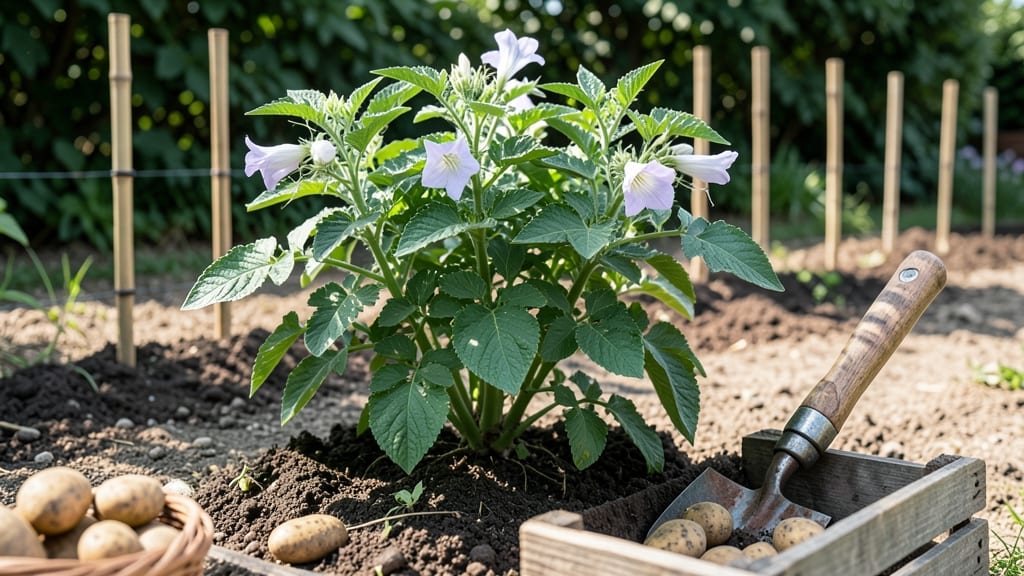
Knowing when to plant potatoes in Illinois is the game-changer between a garden full of 🥔 gold and a season of disappointment. The Prairie State’s unpredictable spring weather means one wrong move could leave your spuds stunted or frostbitten—yet getting it right unlocks a harvest that’ll make your neighbors jealous.
I’ve spent years talking to Illinois gardeners (and learning from my own trial-and-error moments), and the key isn’t just waiting for the calendar date—it’s reading your soil and local microclimates.
Whether you’re in chilly Zone 4 or milder Zone 6, timing matters more than you think. Let’s break down the exact windows that’ll give you the best start.
What you’ll discover here is how to plant 2-4 weeks before your last frost—without guessing. We’ll cover everything from soil temperature tricks to adjusting for early vs. late varieties, so you can avoid the most common mistakes that waste your time (and your seed potatoes). Ready to dig in?
By the end, you’ll have a clear plan tailored to your corner of Illinois—no more second-guessing, just confident planting that leads to bigger yields and happier harvests. Let’s get those 🥔 growing!
Illinois potato planting calendar: exact weeks before last frost by region
Planting potatoes in Illinois requires precision—your last frost date and soil temperature are the two most critical factors. Unlike many vegetables, potatoes won’t germinate in cold soil, so timing matters. Illinois spans USDA Zones 4-6, meaning frost dates can vary by 2-3 weeks between northern and southern regions.
For most gardeners, the ideal window is 2-4 weeks before your average last frost, but let’s break it down by region.
Northern Illinois (Zones 4-5), including areas like Chicago and the Quad Cities, typically sees its last frost between April 15-April 30. This means you should plant your seed potatoes between March 20-April 15, depending on your microclimate.
Southern Illinois (Zones 5-6), like St. Louis and Carbondale, has a later last frost (April 30-May 15), giving you a slightly extended window of March 25-May 1 for planting.
Here’s the key rule: Wait until soil temperatures reach 45°F (7°C)—any colder, and your potatoes will rot instead of sprout. Use a soil thermometer to check, or press your finger into the soil; if it feels like a chilled cookie dough, it’s ready.
In Illinois, this usually aligns with mid-to-late April for most regions, but early varieties can sometimes go in as soon as early April if conditions are right.
Pro tip: If you’re unsure about frost dates, use the Illinois Extension’s Frost Date Calculator (link in resources) or check your local National Weather Service station. These tools account for microclimates, like urban heat islands or sheltered valleys, which can shift your planting window by 1-2 weeks.
For gardeners in Zone 4 (northern Illinois), where frosts linger longer, focus on early-maturing varieties like 'Red Norland' or 'Yukon Gold' (harvest in 90 days). These give you the best chance to beat late frosts and still enjoy a harvest.
In Zone 5-6 (central/southern Illinois), you can afford to plant late varieties like 'Russet Burbank' (harvest in 110+ days) with confidence, as the growing season stretches longer.
One mistake I see often is planting too early just because the calendar says "spring." Cold soil + early planting = rotten seed potatoes. Instead, use the finger test: If the soil feels cold and damp, wait.
Another trick? Chit your seed potatoes (place them in light to sprout eyes) 4-6 weeks before planting. This gives you a 2-week head start on growth once soil warms up.
If you’re in a microclimate—like a sheltered valley or urban garden surrounded by buildings—you might experience earlier soil warming. Test your spot for 2-3 years to track when it’s truly safe.
For example, my south-facing raised bed in Chicago warms up 10 days earlier than my north-facing in-ground plot. Adjust your planting date accordingly!
Remember: Illinois’ unpredictable spring weather can throw off even the best-laid plans. Always have row covers ready to protect young plants if a late frost sneaks in.
And if you’re planting in containers, move them to a warmer location during the day if nighttime temps dip below 40°F (4°C).
For a second harvest, try succession planting in late May or early June with early varieties. This works
How to adjust planting time for early vs late varieties in Illinois
Choosing the right potato variety and planting it at the perfect time can extend your harvest season in Illinois. Early varieties like 'Yukon Gold' mature in just 60-75 days, while late varieties such as 'Russet Burbank' take 90-110 days.
This means timing matters—plant early varieties 4-6 weeks before your last frost date, while late varieties need 2-3 weeks earlier to reach maturity before winter sets in.
For Northern Illinois (USDA Zone 4-5), start early varieties around April 15-30, while late varieties should go in by May 1-15. In Central Illinois (Zone 5-6), you can plant early varieties as early as March 20-April 10, with late varieties following by April 1-15.
Southern Illinois (Zone 6) gardeners have the longest window—early varieties can go in by March 1-15, and late varieties by March 15-April 1.
Here’s how to maximize your harvest: Plant early varieties first for a June harvest, then follow with mid-season varieties (like 'Red Pontiac') for a July-August pick.
Finally, add late varieties to stretch your harvest into September or October. This succession planting strategy ensures you’re always getting fresh potatoes from your garden.
| Variety Type | Days to Maturity | Best Planting Window (IL) | Harvest Window |
|---|---|---|---|
| Early (e.g., 'Yukon Gold') | 60-75 days | 4-6 weeks before last frost | June-July |
| Mid-Season (e.g., 'Red Pontiac') | 75-90 days | 2-4 weeks before last frost | July-August |
| Late (e.g., 'Russet Burbank') | 90-110 days | 2-3 weeks before last frost | August-October |
To prepare your soil for these different planting times, focus on soil warmth and drainage. Potatoes thrive in soil that’s at least 45°F (7°C). Use a soil thermometer to check—if it’s cooler, wait a few days or mulch to warm it faster.
Add compost or aged manure 2-3 weeks before planting to boost nutrients, especially for late varieties that need extra energy to mature.
Don’t forget about chitting—a simple trick to jumpstart growth. Place your seed potatoes in a bright, cool spot (around 50-55°F) 2-3 weeks before planting. This encourages sprouts to form, giving you a head start on the growing season.
For late varieties, chitting can mean the difference between a full harvest and a stunted crop.
Pro tip: If you’re in a microclimate (like a urban garden with heat islands), you might plant early varieties 1-2 weeks earlier than the general guideline. Conversely, cooler microclimates (like shaded areas) may need a delayed start. Always monitor your local frost forecasts and adjust accordingly.