
Plants
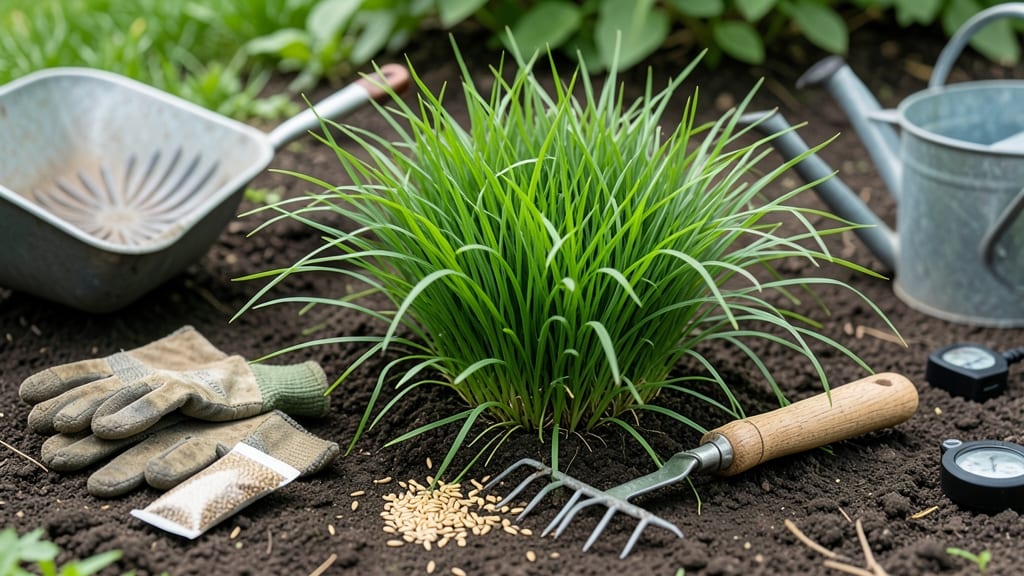
Planting ryegrass in Texas at the wrong time can mean wasted seed or a lawn that never fully establishes.
The key to a lush, frost-resistant winter cover lies in understanding when to plant ryegrass in Texas—because timing isn’t just about months, it’s about avoiding Texas’s brutal summer heat or racing against early frosts.
For Texas gardeners in zones 8a-10b, the ideal window stretches from August through October, when soil temperatures drop into the 50-65°F range—perfect for fast germination. But here’s the catch: North Texas (like Dallas) has a tighter deadline than South Texas (Houston), where slightly later plantings still work.
Miss this window, and you risk seed drying out or frost killing tender sprouts before they take hold.
I’ll break down the exact months for your region, plus pro tips to ensure your ryegrass grows thick and stays resilient through winter. Whether you’re overseeding an existing lawn or starting fresh, these strategies will help you avoid common pitfalls and get the fastest, most reliable results in Texas conditions.
Ready to transform your lawn into a winter-hardy masterpiece? Let’s dive into the best planting schedule, soil prep, and maintenance tricks tailored just for Texas gardeners like you.
Optimal planting months for rye grass in Texas by region
Texas’ diverse climate means North Texas (like Dallas/Fort Worth) has earlier frosts than South Texas (Houston/Corpus Christi), so planting windows shift dramatically. Aim for 4-6 weeks before first frost—this ensures ryegrass establishes roots before winter sets in.
For North Texas, that’s mid-August to early October; in South Texas, you’ve got a little longer: late August to November.
Central Texas (Austin/San Antonio) falls somewhere in between, with ideal planting between late August and October. These dates align with soil temperatures between 50°F and 65°F, the sweet spot for ryegrass germination.
If you plant too early, seeds may rot; too late, and frost arrives before your lawn thickens.
🌾 Texas Rye Grass Planting Window by Region
| Region | Ideal Planting Months | First Frost Date | Soil Temp for Germination |
|---|---|---|---|
| North Texas (Dallas/Fort Worth) | Mid-August – Early October | November 15 – December 15 | 50°F – 65°F |
| Central Texas (Austin/San Antonio) | Late August – October | November 1 – December 15 | 50°F – 65°F |
| South Texas (Houston/Corpus Christi) | Late August – November | January 1 – February 15 | 55°F – 70°F |
For overseeding existing lawns, stick to these same windows. The key is seed-to-soil contact—avoid planting when soil is too dry or too hot. In North Texas, September is often the best month because temperatures cool slightly, and rainfall increases.
Meanwhile, South Texas gardeners can push planting into early November due to milder winters.
If you miss the fall window, don’t panic—spring planting (February–March) is your second chance. However, spring-planted ryegrass may struggle with summer heat stress before winter arrives. For best results, prioritize fall planting and use shade cloth if planting in late spring.
Texas’ clay-heavy soils can slow germination, so amend with compost or sand to improve drainage. In North Texas, where soils are often alkaline, a soil pH test (ideal range: 6.0–7.0) ensures seeds don’t struggle.
South Texas soils are usually more acidic, so lime may not be needed—just focus on loosening the soil before planting.
Pro tip: Use a seed spreader for even coverage, and lightly rake seeds into the top ¼ inch of soil. This prevents them from drying out or being washed away. Water gently but frequently (daily for the first 2 weeks) to keep soil moist but not soggy.
Remember, ryegrass is a cool-season grass, meaning it thrives in cooler temperatures and goes dormant in summer heat. Planting too early (like June) risks seed rot, while planting too late (December) leaves it vulnerable to winter freeze damage.
Stick to the 4-6 week rule before frost for a lush, frost-resistant lawn.
For North Texas, aim to finish planting by October 15; in South Texas, you can push it to November 1. Central Texas falls in between, with October 1 as the cutoff. Use a frost date calculator (like the National Weather Service) to fine-tune your timeline.
Once planted, mow ryegrass at 2–3 inches to encourage root growth. Avoid fertilizing heavily in late fall—light feeding in September is enough to prep for winter. With the right timing, your ryegrass will outcompete weeds and provide year-round green coverage in your Texas lawn.
How to time rye grass planting for maximum frost resistance
Timing your rye grass planting isn’t just about avoiding summer heat—it’s about giving seeds the 4-6 weeks they need to establish strong roots before Texas’s first frost. In North Texas, where frost can hit as early as mid-November, aim to plant by late September.
For South Texas, where frost arrives later (often January), you’ve got a slightly longer window but still need to start by early October.
Soil temperature is your best indicator. Rye grass seeds germinate best when soil is between 50-65°F. Use a soil thermometer to check—if it’s above 75°F, wait a few weeks or use shade cloth to cool the soil.
Planting too early in hot, dry conditions can cause seeds to dry out before sprouting.
🌾 Pro Tip: If your area has unpredictable frost dates, use a pre-emergent herbicide 2-3 weeks before planting to kill weeds without harming the rye grass seeds. This gives your new grass a cleaner, faster start.
⚠️ Critical Warning:
Planting rye grass too late (within 3 weeks of frost) risks weak germination and frost damage before roots establish. In Central Texas, where frost can arrive anytime after November 15, don’t wait past mid-October.
🌡️ Key Rule: Subtract 42 days from your average first frost date—that’s your last planting day.
For overseeding existing lawns, follow the same timing but use a slit-seeder to ensure seeds make direct contact with soil. This method works best in September when temperatures are cool but not freezing.
Avoid overseeding in summer heat, as the existing grass will outcompete the new seeds for water and nutrients.
If you’re planting new rye grass (not overseeding), prepare your soil with a light raking to loosen the top 1/4 inch of soil. This helps seeds make contact with moisture and nutrients. After planting, keep the soil consistently moist—not soggy—until germination, which typically takes 7-21 days depending on temperature.
💧 Watering Hack: Use a sprinkler with fine mist for the first 10 days to prevent seed displacement. Once seedlings are 1-2 inches tall, switch to deep, infrequent watering to encourage deep root growth before winter.