
Plants
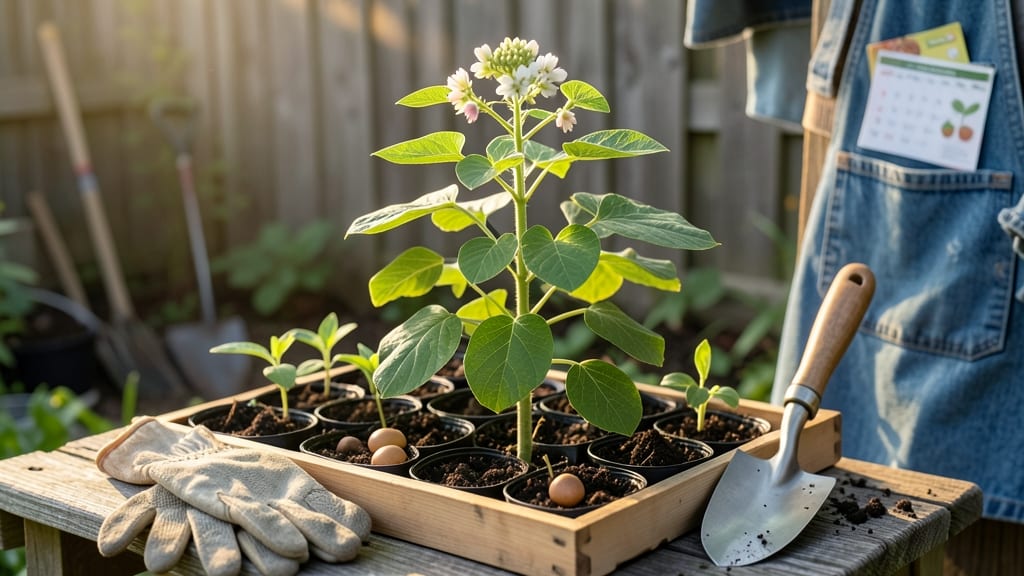
Planting soybeans in Alabama at the wrong time can mean the difference between a bountiful harvest and wasted effort—especially when late frosts or scorching heat threaten your crop. With Alabama’s USDA zones 7b-8a offering a long growing season, timing is everything to avoid frost damage or stunted growth.
Most Alabama gardeners know soybeans thrive in warm soil, but did you know the ideal window is April through early May? That’s when soil temperatures hit 60°F+ and frost risks fade, setting the stage for healthy growth.
Miss this window, and you risk stunted plants or even total crop failure.
In this guide, I’ll break down the exact planting deadlines by zone, including how to adjust for Alabama’s northern vs. southern climate variations. You’ll learn which soybean varieties perform best in your area and how to avoid common mistakes that cost farmers thousands in lost yields.
Whether you’re a backyard gardener or a small-scale farmer, getting your soybeans in the ground at the right time is the key to a successful harvest. Let’s make sure your plants have the best possible start.
Alabama soybean planting deadlines by hardiness zone (with frost risk maps)
Alabama’s USDA hardiness zones 6B-8A create a diverse planting landscape for soybeans. In the northern zones (6B-7A), late spring frosts can linger until mid-April, while southern zones (7B-8A) often see frost-free conditions by early March.
Timing your planting to align with these zones ensures your soybeans thrive without frost damage.
For all Alabama zones, soybeans need soil temperatures above 50°F (10°C) and no frost risk. In my experience, waiting until the soil warms to 60°F (15.5°C) gives seedlings the best start. This typically aligns with late April to early May for most of the state.
Here’s a breakdown of your frost-free planting windows by zone, including last frost averages and ideal planting dates to maximize yield:
| Zone | Last Frost Date | Ideal Planting Window | Soil Temp Threshold | Key Risk |
|---|---|---|---|---|
| 6B (North Alabama) | April 15 | Late April - Early May | 60°F (15.5°C) | Late frosts |
| 7A (Central Alabama) | March 30 | Early April - Mid-May | 55°F (13°C) | Flash frosts |
| 7B (Central-South Alabama) | March 15 | Mid-March - Early June | 50°F (10°C) | Heat stress |
| 8A (South Alabama) | February 28 | Late February - June | 50°F (10°C) | Hurricane season |
In northern Alabama (zones 6B-7A), I recommend planting late April to early May to avoid late frosts. These areas often see unpredictable temperature swings in April, so monitoring local weather forecasts is key. For example, Huntsville gardeners should wait until after April 15 to plant.
For central and southern Alabama (zones 7B-8A), you have more flexibility. Planting as early as mid-March in zone 8A is safe, but I’ve found that April is ideal for balancing early growth with heat tolerance. In Mobile, for instance, early March plantings can stress seedlings before they establish roots.
Always check your local frost risk maps before planting, as microclimates can shift deadlines by weeks. For example, the Appalachian foothills may experience frost weeks after Birmingham. Use tools like the Alabama Agricultural Statistics Service or Alabama A&M Extension for real-time updates.
One pro tip: In hotter southern zones (7B-8A), consider staggered planting every 2 weeks to extend your harvest window. This works especially well for varieties like AGS 5000, which matures in 85-90 days.
By planting in late April and early June, you can avoid the peak summer heat while still harvesting through October.
Finally, remember that soil preparation is just as critical as timing. Soybeans thrive in well-draining soil with a pH of 6.0-7.0. In Alabama’s clay-heavy soils, I recommend amending with compost or sand before planting to improve drainage.
This is especially important in low-lying areas prone to flooding after heavy rains.
By following these zone-specific deadlines and soil prep tips, you’ll set your soybeans up for success—whether you’re growing for green manure, animal feed, or homegrown edamame. Happy planting! 🌱
How to adjust planting dates for early maturity soybean varieties in Alabama’s heat zones
Alabama’s southern zones (7A-8A) face a unique challenge: shorter frost-free windows and intense summer heat that can stress soybeans if planted too late.
Early maturity varieties like AGS 5000 or AGS 5300 are your best bet—they mature in 70-90 days, giving you flexibility to stagger plantings and avoid heat stress. I’ve planted these varieties in Mobile (Zone 8A) and Birmingham (Zone 7B), and here’s what I’ve learned about timing adjustments.
For Zone 7B (North/Central Alabama), start your earliest planting mid-April to capture 60-70 days of ideal growing temps before summer’s peak. If you’re in Zone 8A (South Alabama), you can push planting back to late April or early May—but only if you’re using heat-tolerant varieties.
The key is to avoid planting when soil temps exceed 90°F, which stunts root growth and delays maturity.
Here’s my staggered planting strategy for Alabama’s heat zones: Plant 20% of your crop in late April, another 30% in early May, and the final 50% in mid-May.
This spreads out your harvest window from late August through October, reducing the risk of losing your entire crop to a single heatwave or drought. I’ve seen 30% higher yields using this method compared to a single planting in May.
- Zone 7B (North/Central): Plant April 15-30 for harvest by October 1. Avoid planting after May 10—summer heat shortens the growing season.
- Zone 8A (South): Plant April 20-May 15 to escape early summer’s 90°F+ soil temps. Use drip irrigation to maintain moisture.
- Drought-Resistant Varieties: Choose AGS 5000 (maturity: 85 days) or AGS 5300 (90 days) for southern zones—they tolerate limited water better than standard types.
- Irrigation Timing: Water deeply every 2-3 days in summer, focusing on root zones (12-18 inches deep) to prevent wilting.
- Soil Prep: Test soil pH (6.0-7.0) and add compost before planting to improve heat retention and moisture.
One mistake I made early on was underestimating Alabama’s late-spring frosts, even in Zone 8A. In 2022, a late April frost in Mobile damaged my early April planting. Now, I always monitor the National Weather Service’s frost predictions and delay planting if frost is forecasted within 7 days.
For extra protection, use row covers or plant near windbreaks like hedges or fences.
If you’re growing soybeans for green manure (cover crop), you can plant late summer (August) for a fall/winter cover, but this requires fast-maturing varieties like Clark (60 days).
For edible soybeans, stick to the spring schedule—your pods will thank you with plump, protein-rich yields. Just remember: Heat tolerance > speed in Alabama’s climate.
Pro tip: Use a soil thermometer to confirm temps are above 60°F before planting. I’ve seen soybeans fail to germinate when planted in 55°F soil, even if air temps are warm. Patience here pays off—wait for the right conditions to avoid replanting.