
Flowers
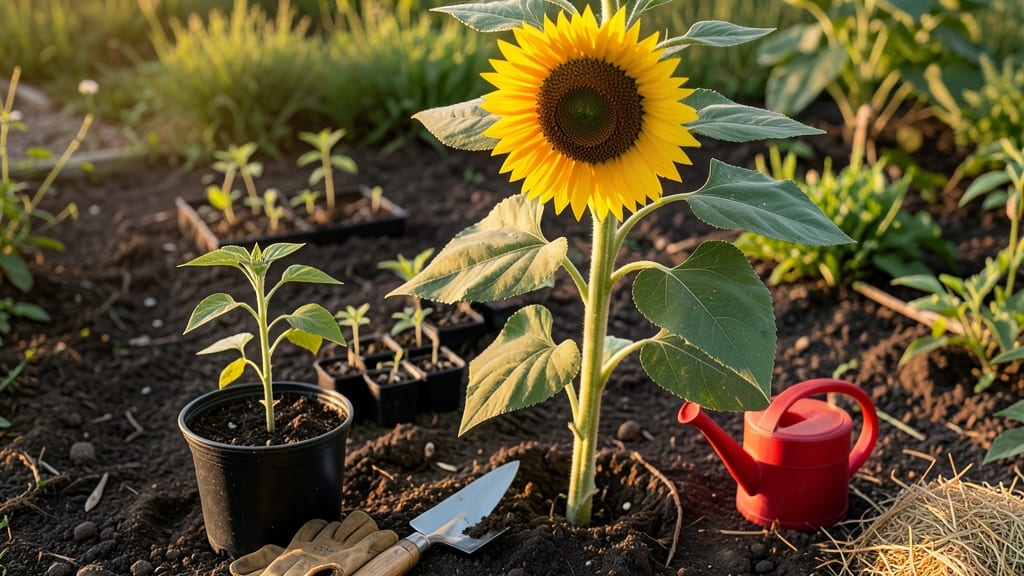
Timing your sunflower planting in Michigan could mean the difference between a 14-foot giant and a stunted, sad little stalk—so let’s get this right. The key isn’t just waiting for spring; it’s knowing exactly when the soil warms enough and the frost danger passes for your specific zone.
Most Michigan gardeners in 5b-6b should aim to plant 🌻 seeds directly in the ground between mid-April and early June, but that window shifts depending on whether you’re in Detroit’s urban heat islands or the cooler Upper Peninsula.
We’ll break down the exact frost-free timeline so you can plant with confidence and watch those towering blooms reach their full potential.
Here’s the game-changer: sunflowers thrive when planted after the last frost, but they also need 150-180 frost-free days to mature. That means late-summer varieties can still be planted in June for a second harvest—if you play your cards right.
Let’s dive into the best strategies to maximize your sunflower’s height and beauty, no matter where you are in the state.
Whether you’re a first-time gardener or a seasoned pro, getting the timing perfect ensures your sunflowers will stand tall, bright, and proud—just like Michigan’s skyline. Ready to turn your garden into a sunflower wonderland?
Michigan sunflower planting dates by hardiness zone: exact timing for frost-free success
Michigan’s USDA Zones 4-6 create unique challenges for sunflower growers. The last frost dates vary dramatically—from mid-April in southern Michigan to early May in the Upper Peninsula. Planting too early risks frost damage, while waiting too long can stunt your 10-foot giants before they reach their full height potential.
For maximum sunflower height (6-14 feet), aim to plant seeds 2-3 weeks after your area’s last frost date. This gives your sunflowers enough warm soil to germinate quickly.
Most Michigan gardeners find mid-May is the sweet spot for direct sowing, but Zone 4 gardeners should wait until late May to avoid late frosts.
Here’s how to adapt your planting schedule based on Michigan’s three primary zones—each with its own frost-free timeline. Remember, sunflowers are cold-hardy seeds but need warm soil (60°F+) to sprout reliably.
🌱 Pro Tip: Use a soil thermometer to confirm soil temps before planting. If it’s below 55°F, wait a week or two—your seeds will rot in cold soil.
🌻 Michigan Sunflower Planting Timeline by Zone
| Zone | Last Frost Date | Ideal Planting Window | Soil Temp Threshold | Notes |
|---|---|---|---|---|
| Zone 4 (Upper Peninsula) | Early May | Late May to early June | 60°F+ | Shortest growing season; choose fast-maturing varieties (50-60 days). |
| Zone 5 (Northern Lower Peninsula) | Mid-April to early May | Mid-May to late May | 55°F+ | Balanced season; ideal for standard varieties (70-90 days). |
| Zone 6 (Southern Michigan) | Mid-April | Early May to mid-May | 50°F+ | Longest season; perfect for giant varieties (100+ days). |
📅 Key: Adjust dates 1-2 weeks later for high-elevation areas (e.g., Traverse City vs. Detroit).
If you’re eager to get a head start, starter plants can be sown indoors 4-6 weeks before your last frost date. However, sunflowers transplant poorly—they develop a long taproot early, making them sensitive to root disturbance. For best results, direct sow outdoors after the soil warms.
For late-summer blooms, try a second planting in early July. Choose fast-maturing varieties (like ‘Teddy Bear’ or ‘Moulin Rouge’) to ensure they bloom before the first frost in October. This extends your sunflower season by 2-3 months and provides continuous color.
Michigan’s windy conditions can also affect planting timing. If you’re in an exposed area, delay planting until after June 1 to avoid stem damage from strong winds. Stake tall varieties early to prevent toppling.
Always test your soil pH before planting—sunflowers thrive in neutral to slightly alkaline soil (6.0-7.5 pH). Amend clay-heavy Michigan soil with compost or sand to improve drainage, which is critical for preventing root rot in our humid climate.
Finally, mark your planting dates on a garden calendar. Sunflowers grow 2-4 inches per day in ideal conditions, so timing is everything for those 12-foot giants you’ve been dreaming of! ☀️
How to extend sunflower season in Michigan: cold start and late planting hacks
Michigan’s short growing season can feel like a race against time for sunflowers, but with the right strategies, you can stretch their bloom from early summer to fall. The key is early starts and fast-maturing varieties—both of which work beautifully in Michigan’s USDA Zones 4-6.
Whether you’re using row covers or choosing quick-growing varieties, these hacks will help you beat the clock and enjoy sunflowers for months.
For early planting, start seeds indoors 4-6 weeks before your last frost date (typically mid-April to early May). Use grow lights or a sunny windowsill to keep seedlings strong until they’re ready to transplant.
This head start gives sunflowers a 3-4 week advantage over direct-sown seeds, meaning bigger blooms and taller stalks by summer.
🌱 Top 5 Michigan-Hardy Sunflower Varieties for Short Seasons
- Autumn Beauty – 50-60 days to maturity; drought-tolerant, great for late blooms.
- Moulin Rouge – 60-70 days; bi-color petals, thrives in cooler temps.
- Russian Giant – 80-100 days; tallest variety, needs staking but worth it.
- Teddy Bear – 50-55 days; compact, perfect for containers or small spaces.
- Sunspot – 55-60 days; disease-resistant, reliable for beginners.
Choose early-maturing varieties if your season is short, or tall varieties like Russian Giant for dramatic height.
If you missed the early window, don’t panic—sunflowers can still thrive with late-season planting. Aim for late May to early June, focusing on fast-maturing varieties like Autumn Beauty or Teddy Bear.
These varieties can still reach maturity before Michigan’s first frost (mid-October), giving you blooms in late summer or early fall.
For extended blooms, try succession planting every 2-3 weeks from May through June. This staggered approach ensures a continuous display of sunflowers, from early summer through fall. Even if your first batch bolts early, later plantings will keep the show going.
Don’t underestimate the power of row covers or cold frames for early starts. These simple tools can raise soil temperature by 5-10°F, allowing you to plant seeds 2-3 weeks earlier than usual.
Just remove covers once seedlings sprout to avoid overheating. For late-season protection, use frost cloth to shield sunflowers from unexpected chilly nights in September.
Remember, sunflowers are drought-tolerant once established, but they need consistent moisture during their first 4-6 weeks of growth. Water deeply 1-2 times per week (or more in dry spells) to encourage strong root development. This early care pays off with taller stalks and bigger blooms—even in Michigan’s short season.