
Flowers
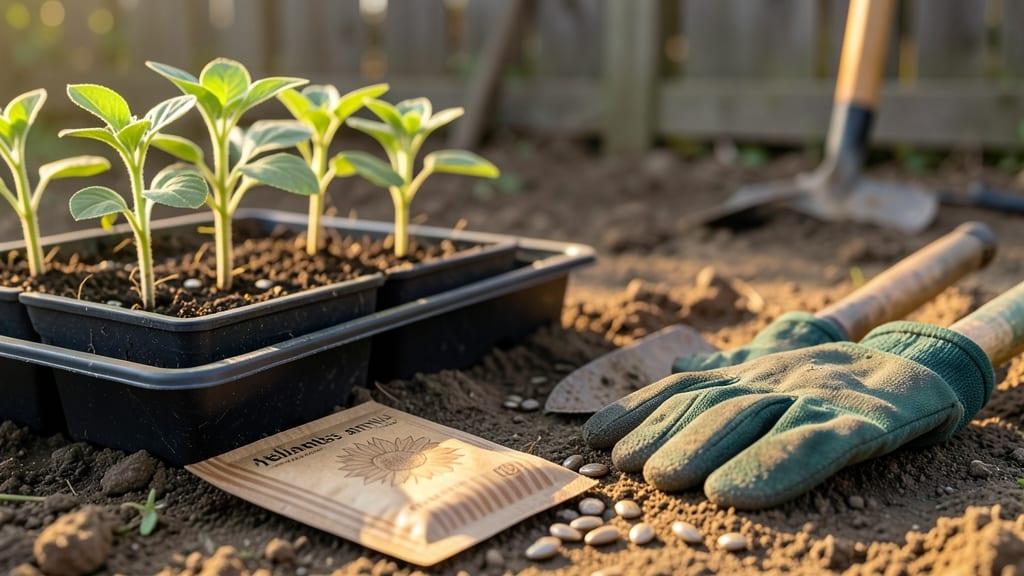
Timing your sunflower 🌻 planting in Ohio isn't just about following a calendar—it's about beating frost, embracing soil warmth, and working with your local microclimate.
The mid-April to mid-June window gives you the best shot at those iconic summer blooms, but urban heat islands, lakeside breezes, and even your backyard's shade can shift the perfect moment.
You might think all of Ohio grows the same way, but the difference between Toledo's 6a zone and Columbus's slightly warmer pockets can mean 2-3 weeks in planting timing. That's why knowing whether your garden sits in a frost pocket or enjoys extended warmth matters more than you'd expect.
Let me show you exactly how to align your sunflower planting with Ohio's unpredictable spring patterns, from choosing the right varieties for your location to adjusting for those tricky microclimates that throw off even the most experienced gardeners.
Whether you're dreaming of 12-foot giants or compact varieties for containers, we'll cover the complete picture—so you can enjoy sunflowers from late July through October without the guesswork.
Ohio’s sunflower planting timeline by hardiness zones (5b-6b)
Ohio’s USDA hardiness zones 5b-6b create a 10-14 day planting window difference between northern and southern regions. For zone 5b (e.g., Toledo, Cleveland), aim for mid-April to early May after the last frost—typically April 15.
In zone 6b (e.g., Cincinnati, Columbus), you can start as early as late March if soil warms to 55°F+.
Sunflowers thrive in Ohio’s 165-day frost-free season, but late-May plantings risk shorter stems and fewer blooms. The ideal window is April 20–May 15 for most varieties, balancing frost risk and summer heat. Use row covers if planting early to protect seedlings from late frosts.
Soil temperature is critical—sunflower seeds need 55°F+ soil to germinate. In Ohio, this usually aligns with mid-April in southern zones but may wait until late April in northern areas. Test soil with a soil thermometer for accuracy. Cold, wet soil can delay germination by 10+ days.
Regional variations matter: Toledo’s cooler lakeside breezes may delay planting by 1-2 weeks, while Cincinnati’s urban heat islands can push soil warmth 5–7 days earlier. Adjust based on your local microclimate, not just the zone.
🌱
| Zone | Last Frost Date | Planting Window | Soil Temp Goal | Best Varieties |
|---|---|---|---|---|
| 5b (Toledo, Cleveland) | April 15–20 | April 25–May 10 | 55°F+ | 'Autumn Beauty', 'Moulin Rouge' |
| 6a (Akron, Dayton) | April 5–10 | April 15–May 5 | 55°F+ | 'Russian Giant', 'Teddy Bear' |
| 6b (Cincinnati, Columbus) | March 25–April 5 | April 1–May 1 | 55°F+ | 'ProCut Hybrid', 'Mammoth' |
For succession planting, sow every 2 weeks through June 1 to extend blooms into October. Late plantings (after June 15) yield smaller, shorter sunflowers but still produce seeds. Choose fast-maturing varieties (e.g., 'Early Bird' at 50 days) for these.
Ohio’s humid summers demand well-draining soil to prevent root rot. Amend clay soil with compost or sand before planting. In sandy soils, add organic matter to retain moisture. Test soil pH (6.0–7.0)—sunflowers tolerate a wide range but thrive in slightly acidic conditions.
Direct-sow seeds 1 inch deep, 6–12 inches apart (closer for dwarf varieties). Thin seedlings to 18–24 inches apart for standard types. Avoid transplanting—sunflowers hate root disturbance and may bolt prematurely if stressed. Use biodegradable pots if starting indoors for late plantings.
Monitor for cutworms and squirrels, common Ohio pests. Apply row covers at night for young seedlings. In urban gardens, deer-resistant varieties like 'Autumn Beauty' are ideal. Mulch with straw to suppress weeds and retain soil moisture.
🌻
How Ohio microclimates affect sunflower success (urban vs. rural vs. lakeside)
Ohio’s diverse landscapes create microclimates that can shift your sunflower’s growing season by weeks. Urban areas like Columbus and Cincinnati often experience heat islands, where pavement and buildings trap warmth—perfect for early planting. Meanwhile, rural Appalachian foothills stay cooler longer, delaying your planting window.
Lakeside regions near Lake Erie enjoy extended seasons thanks to the lake’s moderating effect. These areas can support late-season varieties that might struggle inland. Even a 10-mile difference from a major water body can mean 1-2 weeks of extra growing time—critical for Ohio’s shorter seasons.
For urban gardeners, balcony containers work well with dwarf varieties (like 'Teddy Bear'), while rural plots can handle giant sunflowers (up to 14 feet!). Wind protection is key near open fields—try planting near fences or windbreaks to prevent stem damage.
🌱 Key Adjustments: ✔ Urban: Start seeds indoors by March 15 and transplant after last frost (usually April 20-30) ✔ Rural: Wait until soil reaches 55°F (often May 1-15) ✔ Lakeside: Extend season by 2-3 weeks—plant late varieties in early June for fall blooms
🌿 Ohio Microclimate Planting Guide
Adjust planting dates by 1-2 weeks based on your specific location’s frost history.
My Cincinnati garden (Zone 6a) gets 10 extra frost-free days compared to Toledo—enough time for a second planting of short-day varieties in early July. For city dwellers, south-facing balconies with 5+ hours of sun work well for container sunflowers.
Test your microclimate by monitoring soil temperature with a probe—sunflowers need consistent warmth to germinate. If your soil stays below 55°F past May 15, wait or use black plastic mulch to warm it faster. Lakeside gardeners can push late plantings to June 20 for fall color.
🌻 Pro Tip: Track your local first frost date (typically October 15) and count backward from your variety’s days to maturity. For example, a 60-day variety planted August 1 might bloom before frost in southern Ohio but risk damage in northern areas.