
Companion Plants
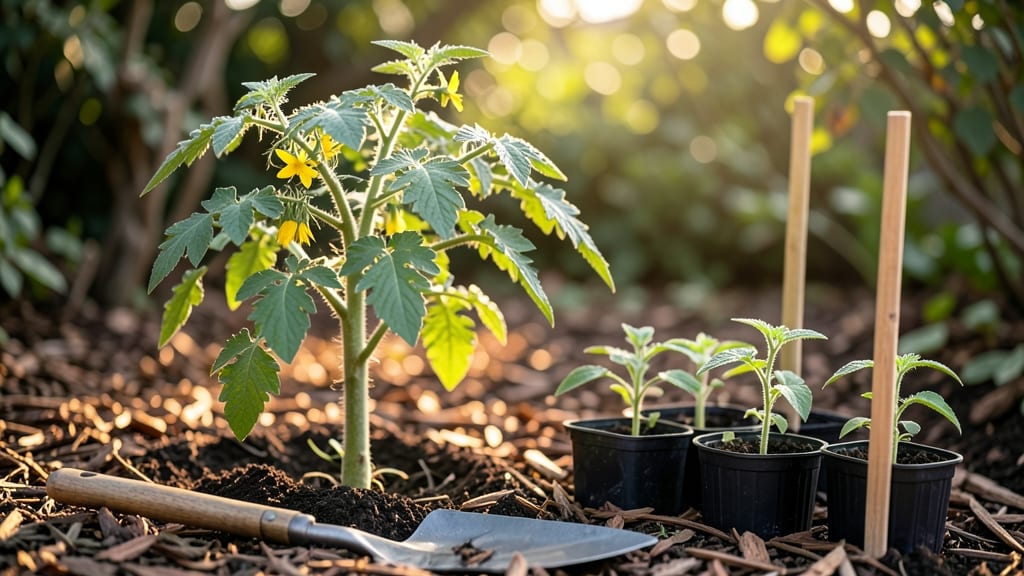
If you've ever wondered "when do you plant tomatoes in PA", timing is everything—and getting it wrong by even a week can mean the difference between a thriving 🍅 harvest and a sad, wilted plant.
Pennsylvania’s climate varies wildly from the frost-prone Poconos to the more forgiving Philadelphia suburbs, so there’s no one-size-fits-all answer.
For most of the state—especially in USDA zones 6a-7b—the magic window opens around April 15 and stretches until June 1, but that’s just the starting point. Whether you’re starting seeds indoors or planting transplants directly, soil temperature and last-frost dates are the real game-changers.
I’ll break down exactly when to plant in your specific corner of PA, plus pro tips to protect your tomatoes from late frosts or scorching summer heat.
You’ll also discover how to extend your growing season with row covers, choose the right varieties for your zone, and avoid common mistakes that even experienced gardeners make. Let’s get those tomatoes in the ground at the perfect moment—because patience now means juicy, vine-ripened rewards later.
Ready to turn your backyard into a tomato powerhouse? The clock is ticking, and the first step is knowing your exact planting window. Let’s dive into the details so you can start planning today.
Last-frost dates by Pennsylvania gardening Zone (2024 guide)
Pennsylvania spans USDA Zones 5-7, meaning your last-frost dates can vary by 3-4 weeks depending on where you live. In Zone 5 (northwest PA), frost lingers until May 15, while Zone 7 (southeast PA) typically sees its last frost by April 15.
This difference is critical for tomato growers, as these heat-loving plants cannot tolerate frost and need soil temperatures above 60°F to thrive.
For 2024, I recommend checking local weather forecasts in late March to early April, as microclimates (like urban heat islands or valley bottoms) can shift frost dates by 1-2 weeks.
The Penn State Extension provides historical frost data for every county—bookmark their Penn State Ag Progress reports for real-time updates.
Here’s how to use this guide: Find your USDA Zone (use the Zone Finder tool linked below), then match your area to the planting window for either transplants or seeds.
Pro tip: If you’re in Zone 5 or 6, consider starting seeds indoors in early March to give your plants a head start.
If you’re in Zone 5, don’t panic about late frosts—row covers or cold frames can protect young plants until May 15. For Zone 7, you can even squeeze in a second planting of fast-maturing varieties like ‘Early Girl’ in early July for a late-summer harvest.
Just remember: Tomatoes need 70–85 days from transplant to fruit, so plan accordingly.
For urban gardeners in cities like Philadelphia or Pittsburgh, heat islands can push last-frost dates 1–2 weeks earlier than rural areas. Test your microclimate by placing a frost-sensitive plant (like coleus) outside in late April—if it survives, you’re likely in the clear for tomatoes.
One common mistake I see is planting too early based on air temperature alone. Always check soil temperature—tomato roots won’t grow below 55°F, and seed germination stalls under 60°F. A $10 soil thermometer is a game-changer for accuracy.
Pro move: Use biodegradable pots for transplants to avoid root disturbance when transferring to the garden. Harden off seedlings by gradually exposing them to outdoor conditions (wind, sun) over 7–10 days before planting. This reduces transplant shock by up to 50%.
For 2024, I recommend monitoring the NOAA Climate Prediction Center for El Niño/La Niña patterns, which can shift frost dates by 1–2 weeks. A strong El Niño (like in 2023) often brings warmer springs, while La Niña can delay last frosts.
Stay flexible—gardening in PA is all about adapting to Mother Nature’s whims!
Best planting methods for PA tomatoes: transplants vs. seeds
Deciding whether to start your tomatoes from seeds indoors or buy transplants at the nursery depends on your PA zone and timeline. Both methods work in Pennsylvania, but each has trade-offs for soil temperature, heat tolerance, and microclimates.
Let’s break down the pros and cons so you can choose what fits your schedule and garden setup.
If you’re in Zone 5 (Poconos, Northeast PA), starting seeds indoors gives you an 8-10 week head start before the last frost. For Zone 6-7 (Central/Eastern PA), transplants are often easier since your growing season is longer.
The key is ensuring your soil stays above 60°F—tomato roots won’t develop properly in cold soil, even if air temps are warm.
Transplants
- Pros: Faster harvest (60-75 days), less risk of seedling diseases, easier to find disease-resistant varieties.
- Cons: Limited variety selection, higher upfront cost, risk of transplant shock.
Best for: Gardeners in Zones 6-7 or those with short growing seasons.
Seeds
- Pros: Wider variety, cheaper long-term, better root development, earlier start for Zone 5.
- Cons: Requires indoor setup (grow lights, heat mat), higher risk of failure, slower to mature.
Best for: Zone 5 gardeners or those who love experimenting with heirlooms.
For direct-sowing seeds in Pennsylvania, wait until mid-May to early June when soil temps consistently hit 60°F+. Use black plastic mulch to warm the soil faster—this can shave off 1-2 weeks of waiting time.
If you’re in Zone 5, consider using a cold frame to protect early seedlings from late frosts.
My personal trick? I start seeds indoors in late March under grow lights and harden them off by early May. By then, my Zone 6 soil is ready, and I can transplant without stress.
For transplants, I wait until after Mother’s Day (around May 10-15) to avoid frost damage. Always check the Penn State Extension frost map for your exact location—it’s updated annually!
One critical mistake I’ve seen? Planting transplants too early because the soil is “looking warm.” Use a soil thermometer—if it’s below 60°F, wait. Cold soil stunts roots, and your plants will struggle even if air temps are perfect.
For seeds, I swear by biodegradable seed starter pots to avoid disturbing roots during transplanting.
Pro tip: If you’re in Zone 5 and want to push your season, try succession planting. Start a second batch of seeds indoors in early June for a late-summer harvest. Just be ready to protect them with row covers if a late frost sneaks in!