
Plants
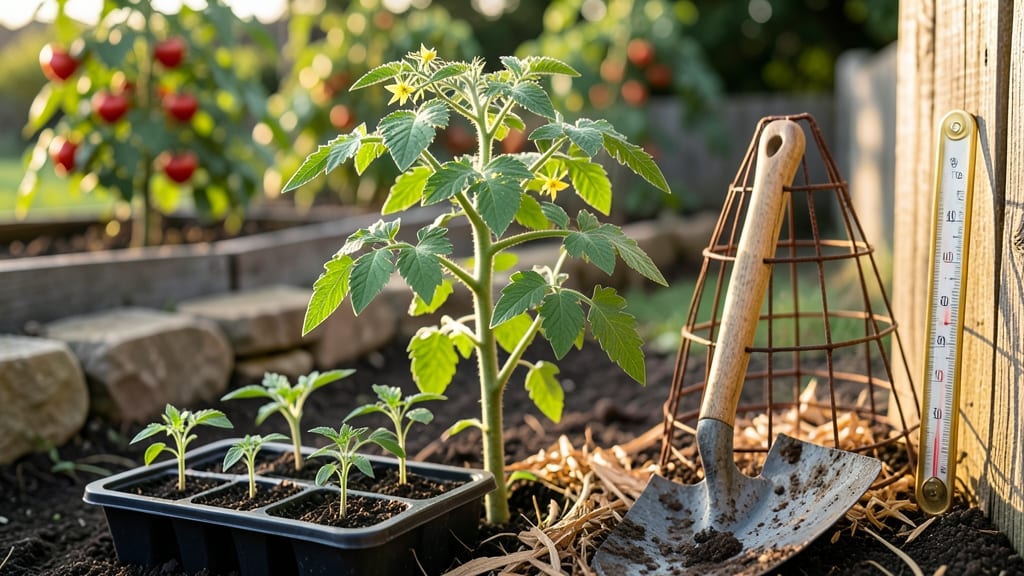
Planting tomatoes in Virginia isn’t just about sticking them in the dirt—it’s about timing your move to avoid frost, pests, and underwhelming harvests. With the right window, you could be feasting on homegrown 🍅 from June through October, but get it wrong, and you’re left with sad, stunted plants.
Virginia’s Zone 7a/7b climate gives you a narrow but critical window between April 15 and May 15 to transplant tomatoes after the last frost. But here’s the catch: soil temperature and nighttime lows matter just as much as the calendar.
I’ll break down exactly when to plant—whether you’re starting seeds indoors or buying transplants—and how to stretch your season for bigger yields.
You might think spring is the only time to plant, but Virginia’s long growing season (up to 180 frost-free days) actually allows for a second chance in late summer. The key? Knowing your sub-zone, prepping soil properly, and avoiding common mistakes that kill tomato dreams before they even begin.
Ready to go from “meh” harvests to a backyard bursting with juicy tomatoes? Let’s dive into the exact dates, soil secrets, and pro tips that’ll turn your Virginia garden into a 🍅 powerhouse—no guesswork required.
Virginia Zone 7a vs 7b tomato planting deadlines: exact dates for maximum yield
Virginia’s Zone 7a/7b climate creates a delicate balance for tomato planting—too early and frost will kill seedlings, too late and you’ll miss peak harvest season. The key is understanding your last frost date and soil temperature thresholds.
For Zone 7a (cooler), aim for April 20–May 10, while Zone 7b (warmer) can start as early as April 1–April 15. These windows ensure your tomato plants thrive without frost damage.
Your soil temperature is just as critical as air temperature. Tomatoes need soil that’s at least 60°F to germinate properly. In Virginia, this typically aligns with mid-to-late April, but cooler microclimates (like valleys or shaded areas) may need to wait until early May.
Use a soil thermometer to confirm—planting too soon in cold soil stunts root growth and invites disease.
Here’s the golden rule for Virginia gardeners: Wait until nighttime temperatures consistently stay above 50°F. This reduces the risk of blossom-end rot and ensures steady growth.
In my garden, I’ve found that transplanting after May 1 gives my heirloom tomatoes a head start, but early varieties like ‘Early Girl’ can handle slightly cooler conditions.
| Zone | Last Frost Date | Optimal Planting Window | Soil Temp Threshold | Risk if Planted Too Early |
|---|---|---|---|---|
| 7a (Cooler) | April 15–May 1 | April 20–May 10 | 60°F+ | Frost damage, stunted growth |
| 7b (Warmer) | April 1–April 15 | April 1–April 20 | 60°F+ | Blossom-end rot, slower germination |
| Both Zones | First Frost: Oct 31 | Fall planting possible until Aug 1 | N/A (harvest before frost) | Limited harvest window |
For spring planting, focus on transplanting seedlings rather than direct sowing. Start seeds indoors 6–8 weeks before your last frost date (so around February 20–March 1 for Zone 7a/7b). Harden off seedlings for 7–10 days before transplanting to avoid shock.
I’ve had the most success with 6-inch-tall seedlings when moving them to the garden, as they’re sturdy enough to handle Virginia’s unpredictable spring weather.
Don’t overlook fall planting—it’s a hidden gem in Virginia! If you’re growing fast-maturing varieties like ‘Cherry Tomato’ or ‘Roma’, you can plant seeds or seedlings as late as August 1.
Aim to harvest before the first frost (Oct 31), which gives you about 60–70 days of growth. Just be prepared for shorter daylight hours and potential fungal issues from fall rains.
Pro tip: Use black plastic mulch to warm soil faster in spring or straw mulch to insulate roots in fall. Both tricks can extend your planting windows by 1–2 weeks without risking frost damage.
I’ve also had luck with row covers to protect young plants from late spring frosts, especially in Zone 7a where temperatures can dip unpredictably.
If you’re unsure about your exact last frost date, check the Virginia Cooperative Extension’s frost maps or use a local weather station for real-time data.
In my experience, erring on the side of caution (planting slightly later) is better than rushing—your tomatoes will thank you with bigger yields and fewer problems. 🌱
For container gardening, adjust your timeline by 1–2 weeks earlier since pots warm up faster than garden soil. Just ensure your containers are at least 12 inches deep and have drainage holes.
I’ve grown determinate varieties (like ‘Celebrity’) in pots on my balcony, and they’ve thrived with the right timing and care. 🪴
Remember, Virginia’s microclimates vary wildly. Urban areas like Richmond may be 1–2 weeks warmer than rural spots in the Shenandoah Valley. Observe your garden’s patterns for 3–5 years to refine your planting schedule. The more you know your land, the more you’ll maximize your tomato harvest. ☀️
Virginia Zone 7a vs 7b tomato planting deadlines: exact dates for maximum yield
Virginia’s Zone 7a/7b climate creates a tight window for planting tomatoes—miss it, and you’ll either lose plants to frost or struggle with slow growth. The last average frost date in most of Virginia falls around April 15, but soil temperature is just as critical as air temperature.
Tomatoes thrive best when soil reaches at least 60°F, which typically happens by mid-to-late April in Zone 7b and early May in cooler Zone 7a.
For gardeners in Zone 7b (warmer southern Virginia), the ideal transplanting window opens around April 15 and closes by May 1. In Zone 7a (northern Virginia), hold off until May 1-15 to avoid frost damage.
Early varieties like ‘Early Girl’ can handle slightly cooler soils, while heat-loving types like ‘Celebrity’ need warmer conditions.
🌱 Virginia Tomato Planting Timeline
| Zone | Last Frost Date | Optimal Planting Window | Soil Temp Threshold |
|---|---|---|---|
| 7a (Northern VA) | April 15 | May 1-15 | 60°F+ |
| 7b (Southern VA) | April 1 | April 15-May 1 | 55°F+ |
🌡️ Pro Tip: Use a soil thermometer to confirm readiness—cold soil delays growth and invites disease.
Fall planting is possible in Virginia but risky—only attempt it in Zone 7b after August 15 using fast-maturing varieties like ‘Sun Gold’. Seedlings need 90+ days to mature, so calculate backward from your first frost date (Oct 31).
For example, a 90-day variety planted on July 20 might yield a few tomatoes before frost, but yields will be minimal.
If you’re starting seeds indoors, begin 6-8 weeks before transplanting. For Zone 7a, that means mid-March for early May planting. Use grow lights to supplement Virginia’s shorter spring days—tomatoes need 12-14 hours of light daily to avoid leggy seedlings.
Harden off seedlings for 7-10 days before transplanting to prevent shock.
Don’t overlook microclimates—urban areas like Richmond often warm up faster than rural Shenandoah Valley. Check local CoCoRaHS weather stations for hyper-local frost data. Even a 5°F difference can shift your planting window by 1-2 weeks.
For example, Norfolk (Zone 8a) can plant 2 weeks earlier than Roanoke (Zone 7a).
Remember: Tomatoes hate cold feet. If nighttime temps dip below 50°F, use row covers or wait. Rushing leads to blossom drop and poor fruit set. Patience now means bigger harvests later—and who doesn’t want that? 🌱