
Plants
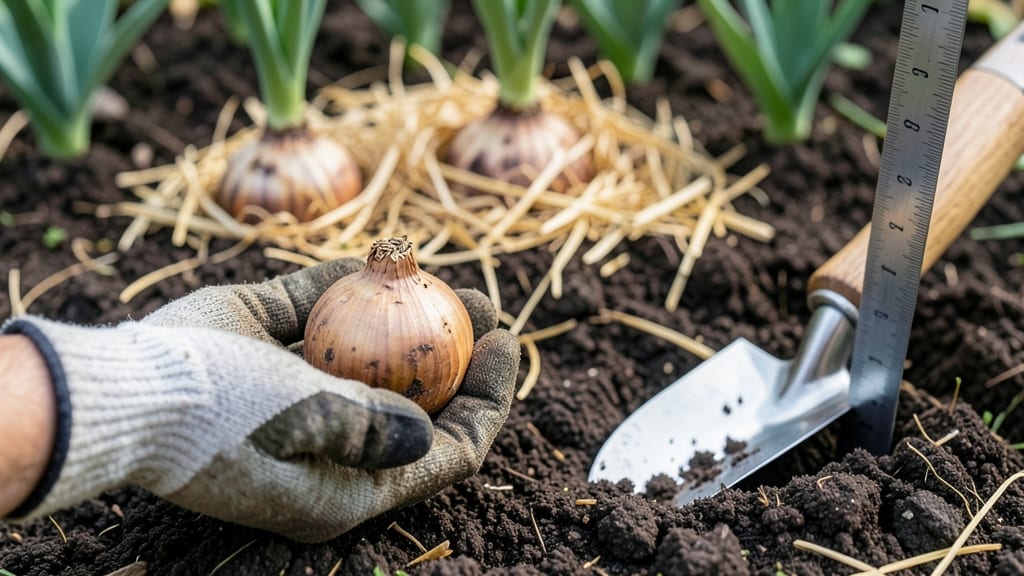
If you’ve ever wondered when to plant tulip bulbs in Michigan, timing is the secret to vibrant spring blooms—or wasted effort. Michigan’s 5b-6b climate demands precision: bulbs need to root before the ground freezes, but planting too early risks rot in cold soil.
Get this right, and your garden will reward you with 🌷 bursts of color by April.
The ideal window is October through November, when soil temps hover around 40-50°F—perfect for root growth before winter sets in. Too late, and frost locks them out; too soon, and they’ll linger in soggy conditions.
I’ll break down the exact frost-free deadlines for your county, so you never miss the mark again.
What most Michigan gardeners don’t realize is that soil type and local frost patterns play a bigger role than the calendar. Heavy clay? Deer-prone areas? I’ve got step-by-step fixes to ensure your bulbs thrive—no guesswork, just results.
Let’s dive into the science and strategies that’ll make next spring your garden’s showstopper.
From choosing the right bulb depth to protecting them from wildlife, I’ll cover everything you need to know. Whether you’re a first-time planter or a seasoned gardener, these tips will help you avoid common mistakes and enjoy stunning tulips year after year. Ready to transform your yard? Let’s get started.
Michigan tulip planting deadline by Zone 5-6: exact frost-free timing
Michigan’s USDA Zones 5b-6b create a tight window for planting tulip bulbs—typically between mid-October and mid-November. This 6-week window ensures bulbs establish roots before the ground freezes, which usually hits by mid-November in most areas.
Plant too early, and bulbs may rot in cold, wet soil; too late, and they’ll fail to root before winter sets in.
The key is planting when soil temperatures drop to 40-50°F, signaling bulbs to start root growth without active shoot development. In southern Michigan (Zone 6b), you might squeeze in planting until late November, while northern areas (Zone 5b) should aim for early October to avoid frost risks.
Always check your local last frost date—a critical factor for Michigan gardeners.
For precision, use Michigan State University’s frost date map as your guide. Most counties fall within 150-180 frost-free days, but urban areas like Detroit may have slightly later frost dates than rural northern regions.
Planting 4-6 weeks before ground freeze gives bulbs enough time to root while avoiding premature shoot growth.
Here’s the golden rule: Aim for a soil temperature of 50°F at planting time. Use a soil thermometer to check—this is especially important in Michigan’s heavy clay soils, which retain cold longer. If temperatures drop below 40°F, bulbs may enter dormancy too soon, reducing next year’s blooms.
| Zone | Ideal Planting Window | Soil Temp | Last Frost Date | Notes |
|---|---|---|---|---|
| Zone 5b (Northern MI) | Early October - Mid-November | 40-50°F | Mid-October | Plant by October 15 for best results |
| Zone 6a (Central MI) | Mid-October - Late November | 45-50°F | Late October | Can plant until November 15 in protected areas |
| Zone 6b (Southern MI) | Late October - Early December | 50°F+ | Early November | Urban areas may extend window slightly |
Michigan’s variable weather patterns mean you should always have a backup plan. If you miss the ideal window, consider container planting—tulips thrive in pots and can be moved indoors if frost threatens. Just ensure containers have drainage holes to prevent soggy roots, a common issue in Michigan’s wet springs.
Pro tip: Use mulch after planting to insulate bulbs and regulate soil temperature. A 3-inch layer of straw or shredded leaves helps protect against freeze-thaw cycles, which can heave bulbs out of the ground. Remove mulch in early spring once shoots emerge to prevent rot from excess moisture.
For Michigan-specific varieties, opt for Darwin Hybrid tulips—they’re hardier and perform better in our climate. These tulips also resist deer and squirrel damage, a common issue in rural areas.
Plant them in well-draining soil amended with compost to improve fertility and structure, especially if your garden has clay-heavy soil.
Remember: Tulips are perennial in Michigan, meaning they’ll return year after year if planted correctly. The first year’s blooms may be modest, but with proper care, your tulips will multiply and create stunning displays for decades. Just don’t forget to deadhead spent blooms to encourage next year’s growth!
🌷
Step-by-step guide: how to plant tulip bulbs in Michigan’s climate
Planting tulip bulbs in Michigan requires precision to account for our variable frost dates, heavy clay soil, and deer pressure. Start by selecting healthy bulbs—look for firm, dry ones with no soft spots or mold. I always choose dwarf varieties for container gardens to deter hungry critters.
Before digging, amend your soil with compost or sand to improve drainage. Michigan’s clay holds too much moisture, which can rot bulbs. Aim for a well-draining mix that mimics the bulbs’ native rocky soil.
Test your soil’s moisture retention by squeezing a handful—if it forms a tight ball, add more organic matter.
🌱 Step-by-Step Planting Guide
- 1. Choose Location: Select a spot with 6+ hours of sun and protect it with deer-resistant fencing if needed.
- 2. Dig Holes: Plant bulbs 6-8 inches deep (about 3x their height) and 4-6 inches apart.
- 3. Position Bulbs: Place the pointy end up and flat side down—never plant upside down!
- 4. Add Mulch: Cover with 2-3 inches of mulch (straw or shredded leaves) to insulate bulbs.
- 5. Water Lightly: Give bulbs a deep soak after planting to settle the soil.
For Michigan’s Zone 5-6 climate, time your planting for 4-6 weeks before the ground freezes. In most areas, this means mid-October to early November. Use a soil thermometer to confirm temperatures are between 40-50°F—this ensures bulbs root but don’t sprout prematurely.
After planting, resist the urge to water heavily. Overwatering in Michigan’s wet springs is a common mistake that leads to bulb rot. Instead, water deeply but infrequently—about once every 10-14 days—until the ground freezes. Once snow covers the garden, bulbs enter dormancy and need no additional care.
Pro tip: Mark your tulip beds with biodegradable flags to avoid disturbing them next spring. I’ve lost count of how many times I’ve accidentally dug up tulip shoots thinking they were weeds! Let the foliage die back naturally after blooming—this feeds the bulb for next year’s flowers.
Finally, protect your investment from Michigan’s voracious wildlife. Squirrels and voles love tulip bulbs! I’ve had success using chicken wire cages around new plantings or scattering grapefruit halves (deer deterrent) near the beds.
With these steps, your tulips will thrive and reward you with bold spring blooms year after year.