
Plants
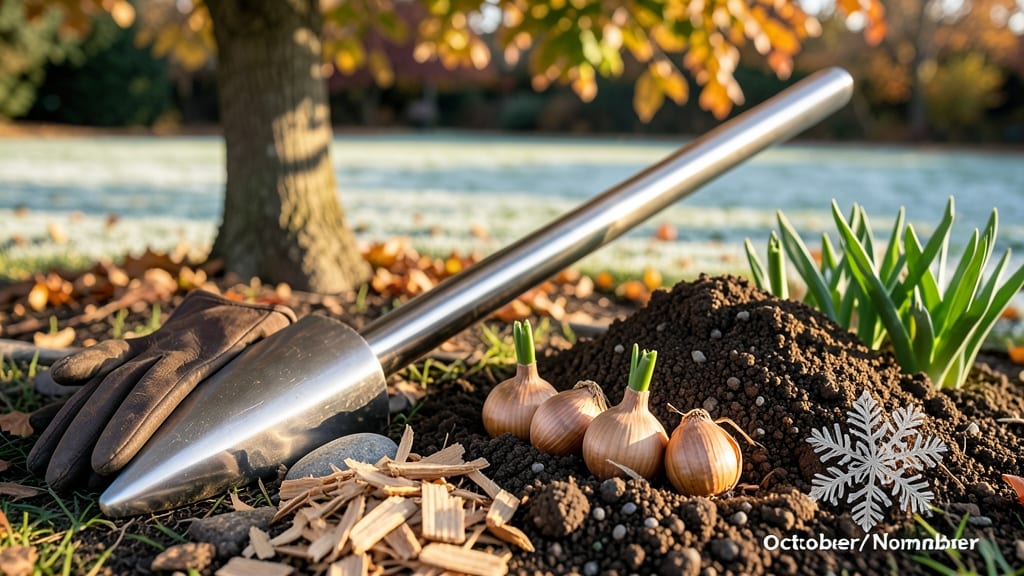
Planting tulip bulbs in New York at the wrong time can mean the difference between a vibrant spring display and wasted effort. If you’ve ever wondered why your tulips never bloom—or why some gardeners swear by fall planting while others insist on spring—you’re not alone.
The key lies in understanding New York’s USDA zones 5b-7a, where frost dates shift dramatically from upstate to the city. Plant too early, and your bulbs may rot in cold, soggy soil; too late, and they won’t establish roots before winter’s chill.
For 🌷 tulips to thrive, timing is everything—and the window is narrower than you think.
In this guide, I’ll break down the exact October-November window that works for your zone, plus soil prep tips to ensure your bulbs survive the winter. Whether you’re a first-time gardener or a seasoned pro, these steps will help you plant with confidence.
Let’s dive into the science behind New York’s frost-free window and how to give your tulips the best start for next spring’s showstopping blooms.
New York tulip planting zones: when to plant by USDA hardiness zone
New York spans USDA Zones 4-7, and each zone has its own ideal window for planting tulip bulbs. The key is planting 6-8 weeks before the ground freezes—typically October to mid-November.
In Zone 5b (northern NY), aim for early October, while Zone 7a (Long Island, NYC) can wait until late November. Microclimates like urban heat islands in NYC may extend your window slightly.
Tulip bulbs need soil temperatures below 60°F to trigger dormancy. Use a soil thermometer to check—plant when temps consistently drop below this threshold.
In most of NY, this happens by mid-October, but upstate areas may need to start earlier. Frost dates vary wildly: NYC’s first frost averages November 15, while the Adirondacks can see frost by October 15.
Here’s how to adjust for your specific zone and local conditions:
| Zone | Ideal Planting Window | Soil Temp Threshold | First Frost Avg. | NY Region |
|---|---|---|---|---|
| 5b | Early to mid-October | Below 60°F | Mid-October | Adirondacks, Lake Placid |
| 6a | Late October | Below 60°F | Early November | Albany, Syracuse |
| 7a | Mid-November | Below 60°F | Late November | NYC, Long Island |
Planting too early? Bulbs may sprout and die in cold soil—a common mistake in Zone 5b. Too late? They won’t establish roots before winter. NYC gardeners often plant in late November thanks to urban heat, but rural areas like Buffalo (Zone 6b) should finish by mid-October.
Check the National Weather Service for your local frost dates if unsure.
For container gardening in NYC, plant bulbs in early November—containers freeze faster than in-ground beds. Use well-draining potting mix and place pots in sheltered spots to delay frost exposure. Upstate gardeners can extend their window by mulching heavily after planting to insulate bulbs.
Pro tip: Mark your calendar 6-8 weeks before your area’s first frost. Use a frost calendar from Cornell Cooperative Extension for precise local data. For example, Rochester (Zone 6a) should plant by October 20, while Saratoga Springs (Zone 5b) needs to be done by October 5.
If you miss the fall window, spring planting is possible but risky. Tulips planted in March may bloom the same year, but they’ll be smaller and weaker—ideal only for late-blooming varieties like Darwin Hybrids.
For best results, stick to fall planting and adjust your timing based on your zone.
Remember: Soil drainage is critical. Tulips rot in soggy soil, so amend clay-heavy NY soils with compost or sand. In wet areas, plant bulbs on a slight mound to improve drainage. Well-drained soil ensures bulbs survive winter and return year after year.
🌷
New York tulip planting zones: when to plant by USDA hardiness zone
New York spans USDA hardiness zones 4b to 7a, meaning frost dates vary dramatically from upstate regions to New York City.
In zone 4b-5a (e.g., Buffalo, Syracuse), the last frost typically arrives by late October, while zone 6a-7a (e.g., NYC, Long Island) can wait until early November. Planting too early risks rot in cold, wet soil, while waiting too long means bulbs won’t root before winter.
Aim for 4-6 weeks before ground freezes—usually October 15 to November 15.
Soil temperature is your best guide: tulip bulbs need 40-50°F soil to start growing. Use a soil thermometer or check local frost maps like the National Weather Service for real-time updates.
In urban areas, microclimates (like heat islands) may extend your planting window by 1-2 weeks compared to rural zones.
Here’s how to adjust for NY’s diverse zones:
| Zone | Last Frost Date | Ideal Planting Window | Soil Temp Threshold | NY Examples |
|---|---|---|---|---|
| 4b-5a | Late October | October 1-15 | 40-50°F | Buffalo, Syracuse |
| 5b-6a | Early November | October 15-November 1 | 40-50°F | Albany, Rochester |
| 6b-7a | Mid-November | October 30-November 15 | 45-50°F | NYC, Long Island |
For container gardening in NYC or urban areas, extend your window by 2 weeks—containers warm up faster. If you miss the fall window, spring planting is risky; bulbs may flower the following year or not at all.
Prioritize well-draining soil to prevent rot, especially in clay-heavy upstate soils. Mulch with straw or leaves after planting to insulate bulbs from freeze-thaw cycles.
Pro tip: Chill bulbs for 6-8 weeks in the fridge (40°F) if buying early. This mimics winter conditions and ensures stronger roots before planting. Store them in a paper bag (not plastic) to prevent mold.
For late bloomers, plant Darwin hybrid tulips—they thrive in cooler zones like 4b and bloom reliably.
Watch for early frost warnings in November. If temperatures dip below 20°F, cover bulbs with straw mulch (4-6 inches) to protect them until spring. In zone 7a, you can even plant as late as December 1, but expect fewer blooms the first year.
🌷