
Plants
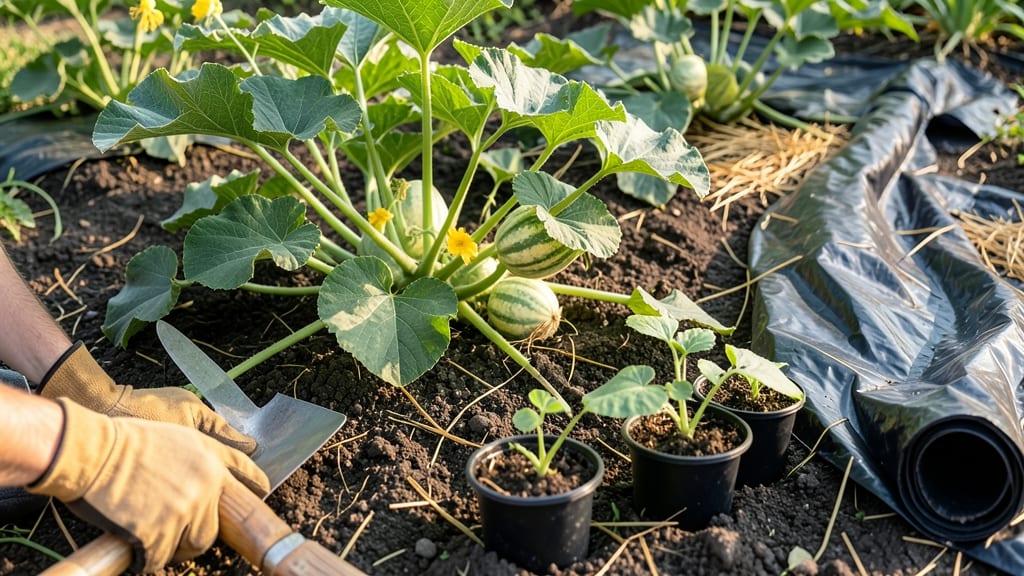
Planting watermelons in Alabama at the wrong time means the difference between a bountiful harvest and a wasted season. With 90-day varieties as your best bet, timing isn’t just about dates—it’s about heat, soil, and avoiding those pesky early frosts that sneak in by November. Whether you're a seasoned gardener or just starting, getting this right ensures your 🍉 vines thrive when Alabama’s sun is at its peak.
Most gardeners in USDA Zones 7b-8b wait until mid-April to mid-May, but why? Because watermelons need warmth—soil temperatures must hit at least 70°F before seeds go in. Plant too early, and you’ll battle pests and stunted growth; too late, and your melons won’t ripen before the first frost.
The key is balancing these factors while working with Alabama’s unpredictable spring weather.
In this guide, I’ll break down the exact planting windows for your heat zone, plus pro tips to extend your harvest season. You’ll learn how to prep your soil, choose the right varieties, and even troubleshoot common mistakes—like premature planting—that can leave your garden empty-handed.
Let’s make sure your watermelon patch becomes the star of your Alabama summer.
Ready to grow watermelons that rival the ones at the farmers' market? By the end, you’ll know not just when to plant, but how to set your vines up for success. No more guesswork—just juicy, homegrown 🍉 perfection.
Alabama’s best watermelon planting dates by heat Zone (90-Day varieties)
Alabama’s climate varies dramatically from the cooler Zone 7 mountains to the steamy Zone 10 southern regions, making precise timing critical for watermelon success.
For 90-day varieties—the sweet spot for Alabama’s short growing season—your planting window hinges on two factors: soil temperature (must stay above 70°F) and frost risk.
Plant too early, and your vines will languish in cold soil; too late, and you’ll miss the July–September harvest window before frost hits.
Most Alabama gardeners aim for mid-April to mid-May as their primary planting window, but exact dates shift 1–2 weeks depending on your USDA zone.
For example, Zone 7 gardeners in the north should wait until late April, while Zone 10 growers in the south can start as early as mid-March. Transplants give you a 2-week head start over direct sowing, but they must harden off first.
Here’s your heat-zone breakdown for planting 90-day watermelons in Alabama, including soil temp thresholds and frost-free averages:
| Heat Zone | Last Frost Date | Ideal Planting Window | Soil Temp Threshold | Method |
|---|---|---|---|---|
| Zone 7 (North AL) | April 15 | Late April–Early May | 70°F+ (after April 20) | Transplant (hardened) or direct sow |
| Zone 8 (Central AL) | March 30 | Mid-April–Mid-May | 70°F+ (after April 5) | Direct sow or transplant |
| Zone 9 (South AL) | March 15 | Early April–Early May | 70°F+ (after March 25) | Direct sow or transplant |
| Zone 10 (Southern AL) | February 28 | Mid-March–Late April | 70°F+ (after March 10) | Direct sow or transplant (earlier starts) |
🌱 Pro Tip: Use a soil thermometer to confirm 70°F+ before planting—cold soil delays germination by 1–2 weeks.
For direct sowing, scatter seeds 1 inch deep and 6 inches apart in rows 3–4 feet apart to accommodate sprawling vines.
If transplanting, choose 4–6 week-old seedlings with 2–3 true leaves and bury them halfway to encourage root growth. Black plastic mulch warms soil faster and speeds up germination by 5–7 days—a game-changer for Zone 7 gardeners.
Watch for false starts: Alabama’s unpredictable spring can bring late frosts even after your planting window. Use row covers if nights dip below 50°F to protect young plants.
In Zone 10, you can even squeeze in a fall planting (late July) for a September–October harvest, but choose heat-tolerant varieties like ‘Crimson Sweet’ or ‘Sugar Baby’.
Timing isn’t just about dates—it’s about microclimates. Urban gardens in Birmingham (Zone 7b) may need to wait until May 1 due to heat islands, while rural areas in Dothan (Zone 8a) can start 2 weeks earlier.
Always check the Alabama Extension’s frost maps for your county’s 30-year averages to fine-tune your schedule.
One common mistake? Planting too early for a bigger harvest. Watermelons planted in March in Zone 8 often face powdery mildew or cucumber beetles before vines mature. Stick to the 70°F soil rule, and you’ll avoid these pitfalls while maximizing your July–August peak harvest.
Finally, succession planting can stretch your harvest. After your first planting, sow a second batch in early June for a late-summer crop, but prioritize disease-resistant varieties like ‘Charleston Gray’ to combat Alabama’s humid conditions.
With the right timing, you’ll enjoy homegrown watermelons for 2–3 months—not just a single harvest.
🌿
Critical factors that determine watermelon planting success in Alabama
Alabama’s humid subtropical climate means watermelon success hinges on more than just dates—it’s about soil prep, pest prevention, and microclimate tweaks. Unlike northern states, Alabama’s nematode pressure and inconsistent rainfall demand extra attention. Let’s break down the non-negotiables for your 90-day varieties to thrive.
First, soil temperature must hit 70°F (21°C) before planting. Use a soil thermometer—cool soil delays germination. In Alabama’s Zone 7b-8b, this typically aligns with mid-April to early May, but urban areas (like Birmingham) may need a 1-2 week delay due to heat islands.
Test your soil’s pH (6.0-6.8)—watermelons hate acidity.
Companion planting is your secret weapon. Pair watermelons with marigolds (repel nematodes) or radishes (break up compacted soil). Avoid planting near potatoes or cucumbers, which share diseases. In Alabama’s sandy soils (common in Mobile), add 2 inches of compost to retain moisture.