
Flowers
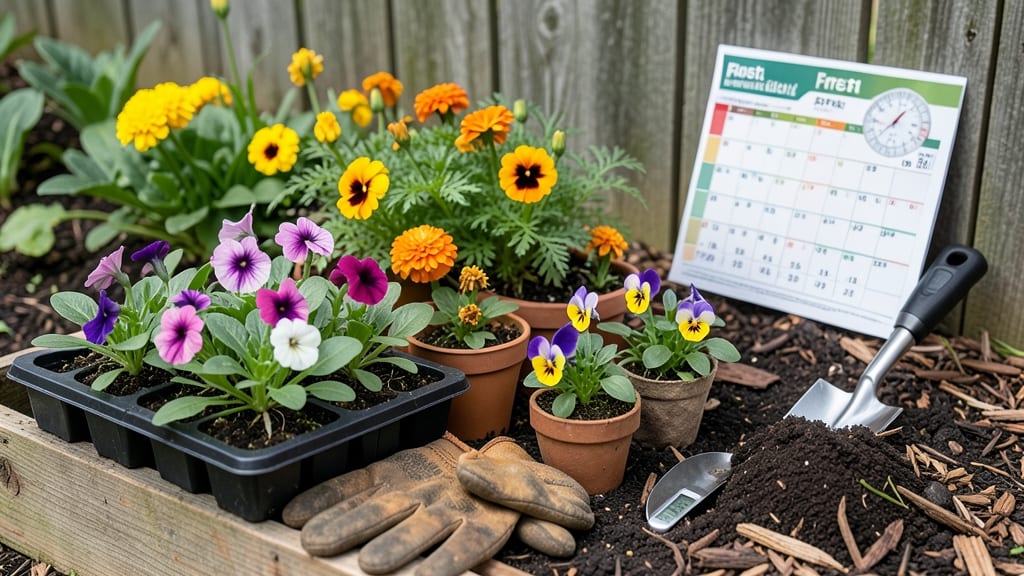
Michigan’s last frost dates by Zone: when to plant flowers safely
Michigan’s last frost dates vary dramatically between USDA Zones 4-6, making timing critical for your flower garden.
In the Lower Peninsula, southern regions like Detroit (Zone 6a) typically see their last frost by mid-April, while northern areas like Traverse City (Zone 5b) often wait until late May. The Upper Peninsula follows a similar pattern but with 1-2 weeks later due to its colder climate.
For annual flowers like marigolds or petunias, wait until 2 weeks after your average last frost date to avoid frost damage. Perennials, such as coneflowers or black-eyed Susans, are hardier and can often be planted 1-2 weeks earlier once the soil is workable.
Always check your local Michigan State University Extension resources for year-specific updates, as frost patterns shift annually.
Here’s a quick rule of thumb: If you’re planting warm-season flowers (e.g., geraniums, impatiens), soil temperatures should be at least 60°F—a key detail we’ll explore further in the next section.
For cool-season bloomers like pansies or snapdragons, you can plant them 4-6 weeks before your last frost date for early spring color.
🌱
Understanding these last frost dates helps you align your flower planting schedule with Michigan’s growing season. However, frost isn’t the only factor—soil temperature plays an equally critical role.
For example, tomato plants (yes, even in flower gardens!) and peppers won’t thrive until the soil reaches 60°F, while cool-loving flowers like lobelia can handle 50°F soil. We’ll dive into soil temperature guidelines in the next section to help you fine-tune your planting strategy.
Pro tip: If you’re in a microclimate (like a south-facing slope or urban heat island), your frost dates may vary by 1-2 weeks. Use a local weather station or Almanac app to track real-time conditions.
For container gardening, soil warms up faster, so you can often plant 1-2 weeks earlier than in-ground flowers.
For Michigan gardeners eager to maximize their flower blooms, consider planting early-season flowers like sweet peas or stock in late March under row covers. These cool-season favorites will reward you with early spring color before warm-season bloomers like zinnias or sunflowers take center stage in June.
Ideal soil temperatures for flower seedlings: what Michigan gardeners must know
Planting flowers in Michigan isn’t just about avoiding frost—it’s also about soil temperature. Cold soil can stunt root growth, while soil that’s too warm may shock delicate seedlings.
For cool-season flowers like pansies or snapdragons, soil should reach 45–55°F before planting. Meanwhile, warm-season favorites like marigolds or zinnias need soil at 60–70°F to thrive.
Testing soil temperature is easier than you think. Use a soil thermometer (just $10 at garden centers) to check depths of 2–4 inches. Morning is the best time to test—soil cools overnight, giving you a realistic reading.
If your soil is below 50°F, hold off on planting tender annuals until conditions improve.
Michigan’s USDA Zones 4–6 mean soil warms at different rates. Southern Michigan (Zone 6) may hit ideal temps by mid-April, while northern areas (Zone 4) might wait until late May. Perennials like coneflowers are more forgiving, but annuals need consistent warmth to avoid leggy, weak growth.
| Flower Type | Ideal Soil Temp | Best Planting Window | Michigan Zone Notes |
|---|---|---|---|
| Cool-Season Annuals | 45–55°F | Early April–Mid-May | Zone 6: 2–3 weeks earlier than Zone 4 |
| Warm-Season Annuals | 60–70°F | Late May–Early June | Wait for 3 consecutive days above 50°F |
| Perennials & Bulbs | 50–60°F | April–May (after last frost) | Hardy types tolerate cooler soil |
If your soil is still too cold, try black plastic mulch to warm it faster. Lay it down 1–2 weeks before planting—it absorbs sunlight and raises soil temps by 5–10°F.
For container-grown flowers, use heat mats under pots to coax roots in cooler zones. Just avoid overheating; temps above 85°F can damage roots too.
Pro tip: Hardened-off seedlings (acclimated to outdoor temps) handle cooler soil better. Gradually expose them to outdoor conditions for 7–10 days before planting. This trick buys you 1–2 extra weeks of planting time in chilly Michigan springs.
Remember, soil temperature ≠ air temperature. A sunny 70°F day might hide 50°F soil—always check before planting. Patience here pays off with stronger roots and longer-lasting blooms all season.