
Flowers
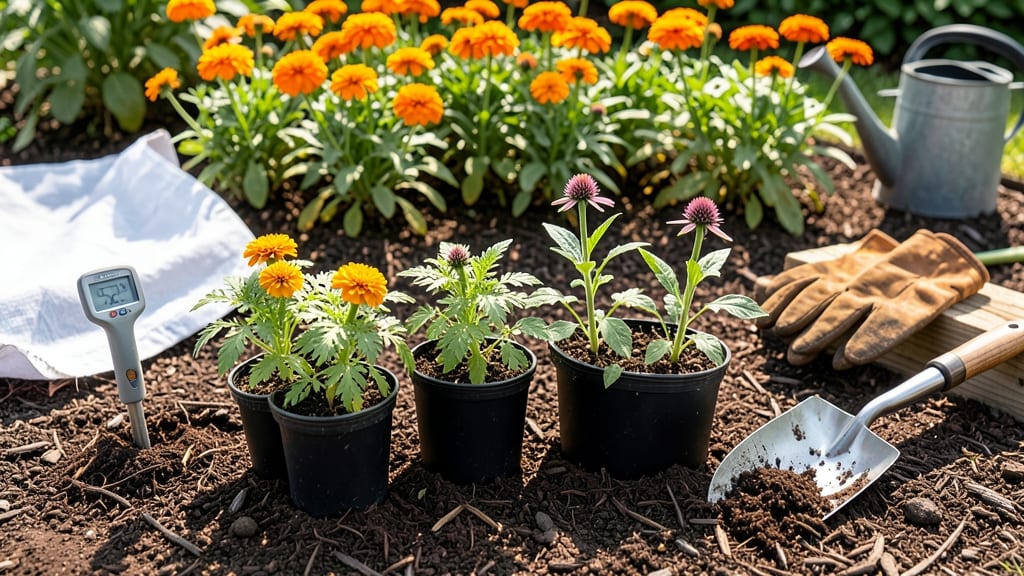
Knowing when it is safe to plant flowers in Ohio can mean the difference between a garden bursting with color and one that struggles to take root. The last frost dates here vary wildly—from early April in southern Ohio to late May in the northern reaches—so getting it wrong could leave your 🌸 blooms wilting before they even begin.
If you've ever watched your tender seedlings shiver under a surprise frost or seen your hard work melt away in soggy soil, you're not alone. Ohio's USDA zones 6a-6b create a tricky balance, and even experienced gardeners sometimes misjudge the timing.
But here's the good news: with the right cues—like soil temperature and regional microclimates—you can plant with confidence and enjoy a season of vibrant blooms.
I'll walk you through Ohio's frost-free windows, zone-specific planting strategies, and how to adjust for unpredictable weather. Whether you're planting spring bulbs or summer annuals, you'll learn exactly when to put those flowers in the ground for the best results.
Let's dive into the details so you can skip the guesswork and start planting with precision—because every Ohio gardener deserves a flourishing garden without the frost-related heartbreak.
Ohio’s frost-free dates by USDA Zone: exact planting timelines for annual flowers
Ohio spans USDA Hardiness Zones 5a through 6b, meaning frost dates vary dramatically from northeast Ohio’s chilly Zone 5a to southwest Ohio’s milder Zone 6b. These differences create a 3-4 week window in planting timelines—critical for annual flowers that can’t survive frost.
For example, Toledo (Zone 5b) typically waits until May 1, while Columbus (Zone 6a) can plant as early as April 15.
To avoid frost damage or stunted growth, I recommend using the Ohio State University Extension’s frost-free date maps as your baseline.
These dates mark when the average last frost occurs, but I always add a 1-2 week buffer for safety—especially in Zone 5a, where late frosts linger into May.
🌱 PRO TIP: Soil temperature matters more than air temperature. Use a soil thermometer to confirm 50°F+ before planting heat-sensitive flowers like petunias or impatiens. Cold soil slows root growth, even if daytime temps feel warm.
📅 Ohio Frost-Free Planting Timeline by Zone
| Zone | Avg. Last Frost | Safe Planting Window | Best Flowers for Early Planting |
|---|---|---|---|
| 5a (Northeast OH) | May 10 | May 15–20 | Pansies, Snapdragons, Sweet Alyssum |
| 5b (Central OH) | April 25 | May 1–5 | Violas, Calendula, Stock |
| 6a (Columbus, Dayton) | April 15 | April 25–May 1 | Petunias, Marigolds, Zinnias |
| 6b (Southwest OH) | April 5 | April 15–20 | Geraniums, Begonias, Coleus |
⚠️ Regional Note: Urban areas (e.g., Cleveland) often experience 2-3°F cooler temps than rural zones due to urban heat islands. Adjust planting dates accordingly.
For perennial flowers, I recommend planting in early spring (April) or early fall (September) to establish roots before winter. Bulbs like tulips and daffodils can go in as early as October, but wait until soil temps drop below 60°F to prevent premature sprouting.
If you’re in Zone 5a or 5b, consider starting tender annuals (like impatiens) indoors 6-8 weeks before your last frost date. This gives them a head start and extends your bloom season by 3-4 weeks. Use grow lights if natural light is limited.
🌿 Ohio-Specific Tip: Monitor the National Weather Service’s forecast for your county. Late-season frosts (after the average date) are common in north-central Ohio. If frost is predicted within 48 hours of planting, cover seedlings with frost cloth or a lightweight row cover.
For container gardening, you can plant 2-3 weeks earlier than in-ground flowers because containers warm up faster. Just ensure pots have drainage holes and use lightweight potting mix to prevent overheating roots.
🌸 Final
How to adjust planting dates for Ohio’s unpredictable weather patterns
Ohio’s weather can be as unpredictable as a toddler’s mood—one day it’s sunny, the next you’re scrambling for a blanket during a surprise frost. To beat the odds, I’ve learned to adjust planting dates based on soil temperature, microclimates, and heat-tolerant varieties.
Even if your neighbor’s marigolds are popping up in early April, don’t rush! The key is waiting for consistency rather than guessing.
Start by monitoring soil temperatures—most flowers need soil to warm to at least 50°F before planting. Use a soil thermometer (they’re cheap!) to check depths of 2–4 inches.
In northern Ohio (Zone 5a), this might mean waiting until late April, while southern Ohio (Zone 6b) could be ready by mid-April. Pro tip: If you’re itching to plant, opt for cold-hardy annuals like pansies or snapdragons—they’ll survive light frosts better than tender zinnias.
Ohio’s microclimates add another layer of chaos. Urban areas like Columbus often experience urban heat islands, where pavement holds heat and extends the growing season by 1–2 weeks.
Meanwhile, rural areas near lakes (like Lake Erie shorelines) may face delayed planting due to cooler lake breezes. Solution: Observe your yard’s unique patterns—note where frost lingers longest or where heat pools in summer.
🌡️ Ohio’s Planting Adjustments by Weather Cue
- Soil temp ≥50°F: Safe for most flowers (test with thermometer).
- Nighttime temps stable above 40°F: Ideal for tender annuals like petunias.
- First frost risk passes: Check Almanac’s frost predictor for your county.
- Use row covers: Extend early planting by 2–3 weeks for cold-sensitive flowers.
- Heatwave warning: Delay planting until soil cools if forecast calls for 90°F+.
For late frosts (Ohio’s specialty), I swear by row covers or cold frames. These simple tools can push your planting window back by 2–3 weeks.
For example, I planted calendulas under a row cover in early April last year—by May, they were blooming like crazy, while my neighbor’s unprotected plants wilted in a late frost. Heat-tolerant flowers like lantana or black-eyed Susans are also your best friends during Ohio’s sweltering summers.
Don’t forget fall planting for perennials! While most gardeners focus on spring, September is prime time to plant hardy perennials like coneflowers or black-eyed Susans. They’ll establish roots before winter and bloom earlier next year. Just avoid planting after October 15—new growth won’t harden off before frost.
When in doubt, I follow the “5-4-3 Rule”: Wait until 5 days after the last frost date, when 4 consecutive nights stay above 40°F, and soil is at least 50°F. It’s not foolproof, but it’s saved my $80 worth of petunias more times than I can count.
And if all else fails? Start seeds indoors—you’ll have a head start on the neighborhood blooms!