
Plants
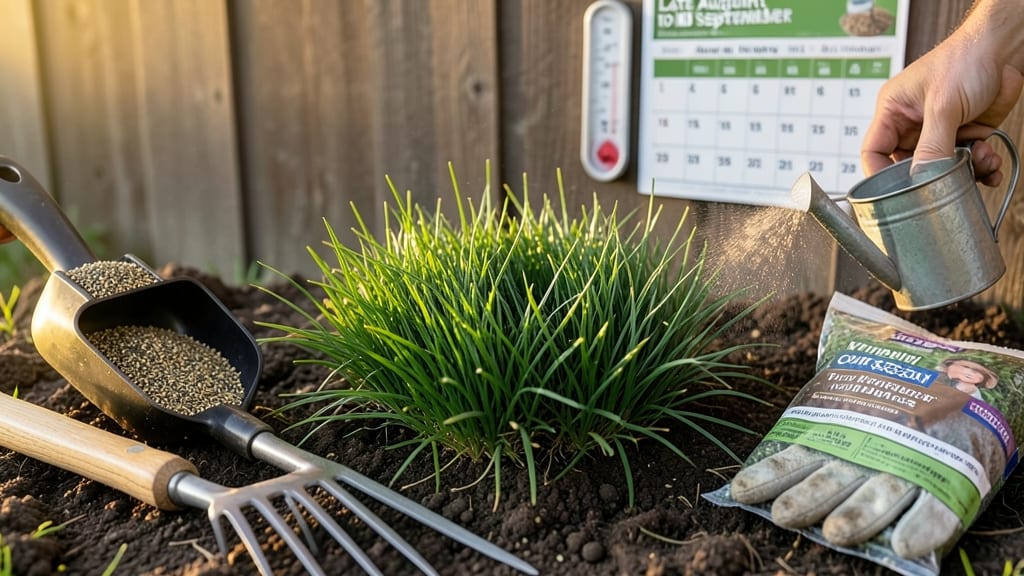
Minnesota’s last safe grass seed planting dates by region (frost & soil temperature rules)
Minnesota’s first frost dates vary dramatically—from late September in the north to mid-October in the south. Planting grass seed too close to frost risks winter kill or stunted growth, but timing depends on your USDA hardiness zone (3–5) and soil temperature.
Aim to plant 4–6 weeks before frost for strong root establishment, but late-summer plantings can still work with the right grass varieties and care.
Northern Minnesota (Zones 3–4) has the tightest window—late August to early September—while southern areas (Zone 5) can push until mid-October. The key isn’t just frost dates but soil warmth: seeds need 50°F+ for 4+ weeks to germinate properly.
Check your local average frost dates (MN DNR provides county-specific data) to avoid costly mistakes.
Here’s the hard cutoff for each region, based on soil temperature and frost risk:
| Region | USDA Zone | Last Safe Planting Date | Soil Temp Requirement | Frost Risk |
|---|---|---|---|---|
| Northern MN (Zone 3-4) | 3-4 | Late August | 50°F+ for 3 weeks | High (first frost: late Sept) |
| Central MN (Zone 4) | 4 | Early September | 50°F+ for 4 weeks | Moderate (first frost: early Oct) |
| Southern MN (Zone 5) | 5 | Mid-October | 50°F+ for 5 weeks | Low (first frost: mid-Oct) |
If you miss these dates, don’t panic—overseeding in early spring (March–April) is a viable backup. But late-summer plantings (August–September) can still succeed with heat-tolerant varieties like tall fescue or perennial ryegrass, which germinate faster in warm soil.
The trick? Prep soil early (test pH, loosen compacted areas) and mulch heavily to retain moisture.
Minnesota’s microclimates also play a role—urban areas (like Minneapolis) often stay warmer than rural zones, extending the planting window by 1–2 weeks. Use a soil thermometer ($15 at garden centers) to confirm temperatures before planting.
If soil is below 50°F, wait—cold soil delays germination by weeks, leaving seedlings vulnerable to frost.
Pro tip: Fall planting (September) has a hidden advantage—cooler temps reduce weeds and spring growth is lush. But if you’re planting in late August or beyond, choose fast-germinating blends (look for “quick establishment” labels) and water deeply (1/2 inch daily) to outpace drought stress.
One common mistake? Ignoring soil moisture. Minnesota’s late-summer droughts can dry out seedbeds faster than expected. Use a moisture meter to check depth—top 2 inches should stay damp. If rain is scarce, consider drip irrigation to keep seeds hydrated without washing them away.
For northern Minnesota gardeners, the window is even narrower. If you’re in Zone 3 or 4, late August is your last chance. Plant cool-season grasses like Kentucky bluegrass or fine fescue, which tolerate shorter growing seasons.
Add a light mulch layer (straw, not wood chips) to insulate seeds from temperature swings at night.
Remember: No grass seed will survive frost. If your area hits 28°F before seedlings are 3–4 inches tall, they’ll die back. To hedge your bets, plant 2–3 weeks earlier than your region’s cutoff—patience now saves money later.
And if you’re really late, consider sod instead for instant coverage.
🌱
Heat-resistant grass seed varieties that can still germinate in late summer
If you’ve missed Minnesota’s ideal spring planting window but still want a lush lawn, don’t despair! Some heat-tolerant grass varieties thrive even when planted just weeks before frost.
These fast-germinating types can establish roots before winter, giving you a head start next spring. The key is choosing the right blend and preparing your soil properly.
For late-summer plantings, focus on cool-season grasses that tolerate heat better than others. Tall fescue and perennial ryegrass blends are top performers, especially in Minnesota’s USDA Zones 3–5. These varieties germinate quickly—often within 7–14 days—and handle late-season heat better than Kentucky bluegrass, which struggles when planted after August.
Another smart choice is fine fescue, which is drought-resistant and stays green longer into fall. While it germinates slower (14–21 days), it’s perfect for overseeding existing lawns in late summer.
Pair it with annual ryegrass for faster coverage, though annual ryegrass won’t survive winter and will need reseeding next spring.
🌱
To maximize success, pair your heat-resistant seed with soil preparation. Aerate compacted soil in late summer to improve water and nutrient absorption. Add a slow-release fertilizer (like 24-0-5) to give seedlings a nutrient boost, and mulch with straw to retain moisture and protect from late-season heat spikes.
If you’re planting in September or early October, choose a fast-germinating blend like tall fescue + perennial ryegrass. These varieties can establish roots before the ground freezes, giving you a 60–70% survival rate through winter.
Just avoid planting after mid-October, as seedlings won’t have enough time to harden off before frost.
For extra protection, consider a lightweight row cover or straw mulch to insulate seedlings from temperature swings. Even if you miss the ideal window, these strategies can help you avoid a brown, patchy lawn next spring.
☀️