
Plants
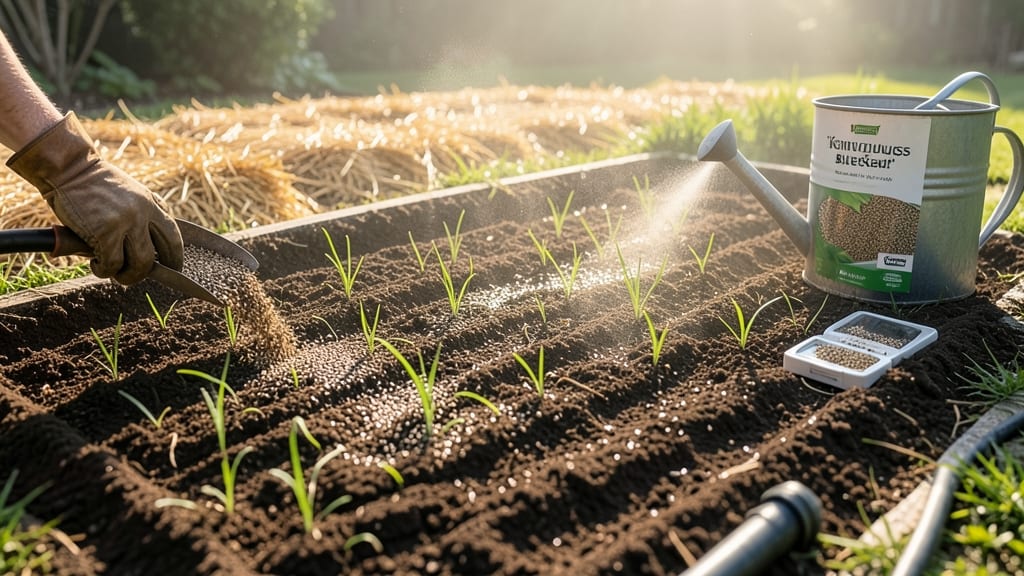
Timing your grass seed planting perfectly in spring can mean the difference between a lush, green lawn and patchy, slow-growing results. The secret? Soil temperature plays a bigger role than most gardeners realize, and getting it right ensures fast germination and a stronger root system.
If you've ever wondered why some lawns thrive while others struggle, it likely comes down to planting too early or too late in the season. In USDA Zone 6a, early spring offers cooler soil—ideal for cool-season grasses—but late spring brings warmer temps perfect for warm-season varieties.
Let me show you exactly when to plant for the best results in your area.
You don’t need a green thumb to succeed—just a few key steps before you even drop the seed. From testing soil moisture to avoiding common mistakes, I’ll walk you through everything you need to know.
Whether you’re seeding in March or waiting until May, this guide ensures your lawn starts strong.
Ready to transform your yard? Let’s dive into the soil temperature secrets that will give your grass seed the head start it deserves—no guesswork required.
Ideal soil temperature ranges for spring grass seed germination
Spring is the perfect time to plant grass seed, but soil temperature is the real game-changer. Most grass seeds need consistent warmth to germinate, and planting too early or late can leave you with patchy results.
The ideal soil temperature range for spring grass seed germination is between 50°F and 65°F. This window ensures seeds wake up from dormancy while avoiding heat stress that can dry them out.
Cool-season grasses like Kentucky bluegrass and fescue thrive when soil temps are between 50°F and 65°F. Warm-season grasses such as Bermuda and zoysia prefer slightly warmer soil, around 65°F to 75°F. Knowing your grass type and local climate helps you pinpoint the best planting window.
For example, in USDA Zone 5, early March might work for cool-season grasses, while late April suits warm-season varieties.
Here’s the key: Soil temperature is more critical than air temperature. A soil thermometer ($10 at garden centers) is your best tool—stick it 2-4 inches deep to check conditions.
If temps dip below 50°F, seeds may rot or fail to sprout. Conversely, if soil exceeds 75°F, seeds can dry out before germinating. Balance is everything!
Regional adjustments matter too. In Southern states (Zones 7-10), late spring or early summer planting is ideal for warm-season grasses, while Northern states (Zones 3-5) should aim for early spring before the last frost.
Always plant 4-6 weeks before your area’s last frost date to give seeds time to establish roots before summer heat arrives.
🌱 Grass Seed Germination by Type & Soil Temp
| Grass Type | Ideal Soil Temp (°F) | Best Planting Window | Germination Time |
|---|---|---|---|
| Cool-Season (Kentucky Bluegrass, Fescue) | 50°F–65°F | Early spring (March–April) | 14–21 days |
| Warm-Season (Bermuda, Zoysia) | 65°F–75°F | Late spring (May–June) | 7–14 days |
| Ryegrass (Fast-Growing) | 45°F–60°F | Early spring (Feb–March) | 7–10 days |
| Buffalo Grass (Drought-Tolerant) | 60°F–70°F | Late spring (April–May) | 10–14 days |
Pro Tip: Test soil temp for 3 days in a row—consistency is key for germination!
Don’t let early spring frost fool you. Even if air temps feel mild, soil can still be too cold. A simple trick: press your hand into the soil for 5–10 seconds.
If it feels cool but not freezing, it’s likely in the 50°F–65°F range. For cooler climates, consider a lightweight row cover to protect young seedlings from unexpected chills.
Another critical factor is moisture retention. Soil that’s too dry or waterlogged can throw off temperature readings. Aim for consistently moist (not soggy) soil during germination. Water deeply in the morning to reduce evaporation and fungal risks. Avoid evening watering—wet grass at night invites disease.
If you’re in a transition zone (Zones 6-7), timing becomes even trickier. Cool-season grasses planted in late spring may struggle with summer heat, while warm-season grasses planted too early can rot in cold soil.
The solution? Use a soil thermometer and adjust your schedule based on real-time data. Patience pays off—waiting for the perfect window beats rushing and dealing with poor germination.
Finally, prep your soil 1–2 weeks before planting. Loosen the top 2–3 inches of soil to improve airflow and warmth absorption. Remove weeds and debris, then level the area.
A well-prepared seedbed ensures seeds make contact with warm, moist soil—half the battle for successful germination. Think of it as creating the ultimate cozy nest for your grass seeds!
Remember: Soil temperature is your secret weapon. Master it, and you’ll be mowing a lush lawn in no time—no guesswork required. Happy planting! 🌱
Ideal soil temperature ranges for spring grass seed germination
Most gardeners focus on planting dates but overlook the soil temperature—the real game-changer for grass seed success. Cool-season grasses like Kentucky bluegrass and fescue need soil temps between 50°F–65°F to germinate, while warm-season varieties like Bermuda and zoysia thrive at 65°F–75°F.
Planting too early when soil is still cold can leave seeds dormant, while waiting too late risks summer heat stress.
Use a soil thermometer to check temps 2–3 inches deep—this is where seeds actually germinate. Early spring often means chilly mornings and warm afternoons, creating a rollercoaster effect.
Aim for consistency: 55°F–65°F for cool-season grasses and 70°F+ for warm-season types. In my USDA Zone 6a, this typically aligns with mid-April to early May.
Regional adjustments matter—northern climates may need to wait until late April to avoid frost, while southern zones can plant as early as February. Always plant 4–6 weeks before the last frost date to give seeds time to establish roots before summer heat arrives.
Pro tip: Morning soil temps are more reliable than afternoon spikes for accurate readings.
🌱 Soil Temperature Comparison for Spring Grass Seed
| Grass Type | Ideal Soil Temp (°F) | Best Planting Window | Regional Adjustment |
|---|---|---|---|
| Cool-Season (Kentucky Bluegrass, Fescue) | 50°F–65°F | Early to mid-spring | Wait until soil warms post-frost |
| Warm-Season (Bermuda, Zoysia) | 65°F–75°F | Late spring to early summer | Avoid planting before May in cold zones |
| Transition Zone (Tall Fescue, Ryegrass) | 55°F–70°F | Late March to June | Monitor frost dates closely |
If your soil is too cold, seeds may linger in dormancy for weeks, only to sprout all at once when conditions finally improve. This creates a thin, uneven lawn that struggles to compete with weeds. Conversely, planting too late in hot weather causes seeds to dry out before germinating.
My go-to trick? Use a seed starter mat or black plastic mulch to warm cold soil by 5–10°F in early spring.
Don’t assume your air temperature matches soil temp—especially after a cold snap. Soils retain heat differently, and shady areas stay cooler for longer. Test your soil in multiple spots, especially if your yard has microclimates.
For example, a south-facing slope warms faster than a north-facing depression. Adjust planting times accordingly to avoid patchy germination.
Once you’ve nailed the soil temperature, keep seeds moist with daily watering (about ¼ inch per day) until they sprout. Germination typically takes 14–28 days, but consistent moisture is non-negotiable.
After sprouts appear, reduce watering to every 3–4 days to encourage deep root growth—this is where most gardeners fail and end up with shallow, weak grass.