
Plants
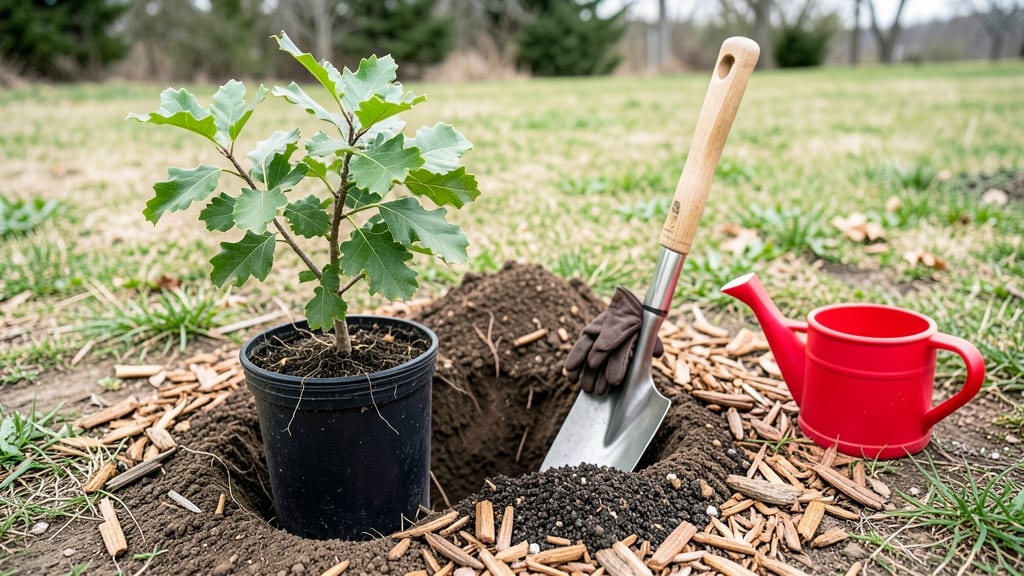
Iowa’s optimal tree planting windows by microclimate Zone
Iowa’s diverse microclimates mean planting deadlines vary by USDA Zone 5a-6b regions. Northern Iowa’s colder winters shrink the window, while southern areas offer extra weeks for fall planting. Understanding these zones helps you align planting with soil thaw and frost-free periods.
For bare-root trees, aim for early spring (March-April) when soil reaches 40°F. Fall planting (September-October) works best when trees can establish roots before dormancy. Evergreens like spruce tolerate fall planting better than oaks or maples.
Iowa’s three distinct regions each have unique frost patterns. Northern counties (Zone 5a) face earlier freezes, while southern areas (Zone 6b) enjoy later frost dates. This table breaks down the ideal planting windows by region and tree type.
In Northern Iowa, prioritize early spring planting before bud break (mid-April). This gives roots 6-8 weeks to establish before summer heat. For fall planting, finish by October 5 to avoid winter stress on shallow roots.
Central Iowa’s extended windows make it ideal for container-grown trees, which can be planted anytime soil is workable. However, bare-root trees still benefit from spring or early fall timing to prevent desiccation during winter winds.
Southern Iowa gardeners enjoy the latest frost dates (average April 20), allowing November planting for drought-tolerant species like bur oak. Always check local frost records—some years push deadlines 2 weeks later.
Regardless of region, avoid planting when soil temperatures drop below 40°F or during prolonged droughts. Use mulch to insulate roots and water deeply after planting to encourage root expansion before dormancy.
For evergreen trees, fall planting is preferred—they transpire less in cooler weather, reducing transplant shock. Deciduous trees like maple or walnut can handle both seasons if planted before leaf-out in spring.
🌳 Regional Nursery Tip: Contact local nurseries (e.g., Iowa Tree Planting or Prairie Oak Nurseryspecies-specific advice—some trees thrive in clay-heavy soils while others need sandy loam.
Critical factors that determine Iowa tree planting success
Timing your tree planting isn’t just about picking a month—it’s about understanding your soil temperature thresholds and moisture levels. In Iowa’s USDA zones 5a-6b, soil must stay above 40°F (4°C) for at least 10 days before planting.
Use a soil thermometer to check, especially in northern Iowa, where cold snaps linger into May.
Evergreens like blue spruce or white pine need even more care—their roots freeze at 25°F (-4°C), so avoid planting them until after the last frost. Deciduous trees like oak or maple are more forgiving but still benefit from warmer soil to prevent shock.
Moisture is another game-changer. Iowa’s spring rains can make soil soggy, while summer droughts dry it out. Aim for 1-1.5 inches of water weekly after planting, but adjust for your region—southern Iowa may need less, while northwest Iowa often requires more due to sandy soils.
🌱
🌱 Critical Factors for Iowa Tree Planting Success
- Test soil temp before planting
- Water deeply after transplanting
- Choose native species (e.g., bur oak)
- Mulch 3 inches deep to retain moisture
- Plant in frozen ground (roots suffocate)
- Overwater (causes root rot)
- Skip root ball prep (trim circling roots)
- Plant too deep (buries trunk)
💡 Pro Tip: Iowa’s black walnut trees release juglone toxins—keep them 30+ feet from fruit trees!
Root ball preparation is often overlooked but critical. For bare-root trees, soak roots for 1-2 hours before planting. Container-grown trees need their root ball loosened to prevent girdling. Prune any circling roots—these strangle the tree as it grows.
Species-specific needs also matter. Fast-growing willows thrive in wet soils, while drought-tolerant hickories need well-draining sites. Check your local Iowa State Extension resources for region-specific recommendations—what works in Des Moines may fail in Dubuque.
Finally, don’t underestimate wind exposure. Iowa’s prevailing westerlies can dry out young trees. Plant windbreaks like arborvitae on the west side of your property, or stake tall trees immediately after planting to prevent uprooting.
☀️