
Plants
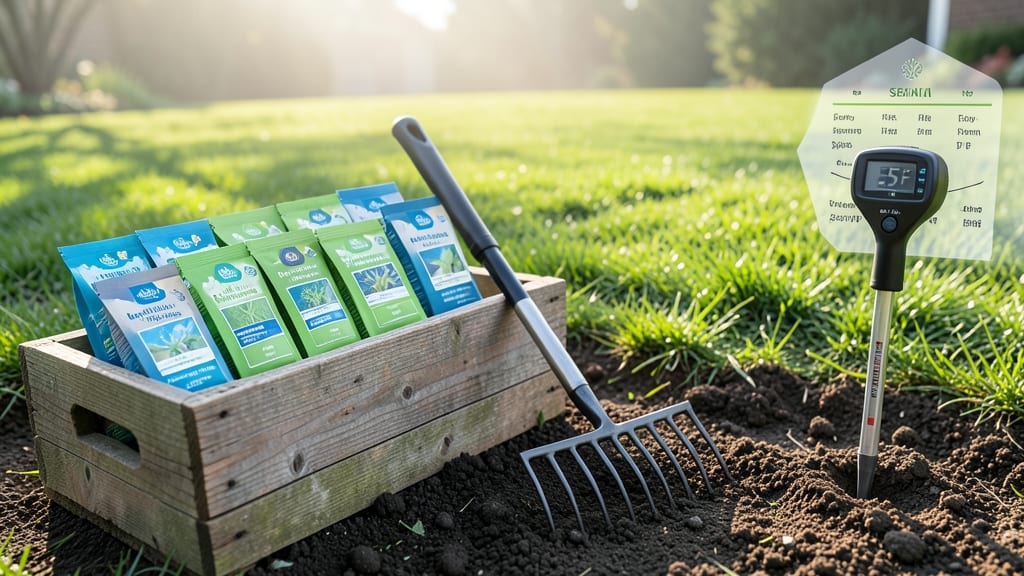
The best time to plant grass in Wisconsin isn’t just about the calendar—it’s about beating frost, warming soil, and local microclimates that can make or break your lawn. Skip the guesswork, and you’ll avoid thin patches, wasted seed, or weeds stealing your turf’s spotlight.
Wisconsin’s USDA Zones 4a-6b mean your last frost can arrive anywhere from mid-April to early May, while the first frost hits as early as October. Cool-season grasses like Kentucky bluegrass thrive when soil temps hit 50–60°F, giving you two prime windows: early spring (March–April) or fall (September–October).
But timing isn’t the only trick—soil prep matters just as much. A quick test for pH and moisture can save you from patchy growth, and choosing the right grass type for your yard’s sun exposure makes all the difference. Let’s break down how to nail it.
Whether you’re seeding a new lawn or overseeding an old one, getting these details right means lush, resilient grass that stays green through Wisconsin’s wild swings. Ready to learn the exact steps?
Wisconsin’s ideal grass planting windows: soil temperature & frost-free rules
Wisconsin’s cool-season climate demands precise timing for grass planting—too early, and frost will kill seedlings; too late, and weeds take over. The ideal windows are early spring (March–April) and early fall (September–October), when soil temperatures hover between 50–60°F and frost risk is minimal.
Most Wisconsin lawns thrive with cool-season grasses like Kentucky bluegrass or tall fescue, which germinate best in 55–60°F soil. Southern Wisconsin (USDA Zone 5) can plant 2–3 weeks earlier than northern regions (Zone 4), where late frosts linger until mid-May.
Always check your last frost date—planting 4–6 weeks before ensures seedlings establish roots before winter.
🌱 Soil temperature is your #1 guide. Use a soil thermometer (or the "back of your hand" test—if it feels cool to touch, wait). For spring planting, aim for 50°F+ consistently; for fall planting, stop by September 15th to allow 4–6 weeks of growth before frost.
Northern Wisconsin’s shorter growing season means fall planting is riskier. In Zone 4a (e.g., Duluth), prioritize spring planting and overseed in late August for a 6-week establishment window. Southern Wisconsin (e.g., Madison) can push fall planting to mid-October if soil stays above 50°F.
🌱 Wisconsin Grass Planting Summary
| Season | Best Months | Soil Temp | Frost Risk | Grass Types |
|---|---|---|---|---|
| Spring | March–April | 50–60°F | Low (after last frost) | Kentucky bluegrass, Tall fescue |
| Fall | September–October | 55–65°F | Moderate (Zone 4: high risk) | Perennial ryegrass, Fine fescue |
| Avoid | May–August | >70°F | Weed competition | Warm-season grasses (not ideal) |
💡 Pro Tip: Use a frost-free date calculator for your county (e.g., Old Farmer’s Almanac) to pinpoint your exact window.
Wisconsin’s microclimates complicate timing. Urban areas like Milwaukee (Zone 5) warm faster than rural northern Wisconsin (Zone 4). If you’re in a frost pocket (e.g., valleys), plant 2 weeks later than your official frost date. For shady lawns, extend your window by 1–2 weeks—cool soil stays cooler longer.
Don’t rely on calendar months alone. A heatwave in April can dry out soil, while a cool May might delay planting. Monitor 7-day forecasts for stable 50°F+ soil temps and no frost warnings.
For northern Wisconsin, seed tall fescue (hardier) in late April; in southern Wisconsin, Kentucky bluegrass can start in mid-March.
Fall planting offers cooler soil and less weed pressure, but Zone 4a lawns risk winter kill if seeded too late. In Madison or Green Bay, aim for September 1st; in Minneapolis, stop by August 15th.
Use a soil thermometer daily—if temps drop below 50°F at night, cover seedlings with straw mulch.
Your grass type dictates timing. Cool-season grasses (90% of Wisconsin lawns) need consistent moisture and cool roots, so avoid summer planting. Warm-season grasses (like Bermuda) are rare in Wisconsin but can be seeded in late May–June if you’re experimenting—though they struggle in Zone 4 winters.
Test your soil’s moisture retention before planting. Wisconsin’s clay-heavy soils (common in the north) dry out quickly in springsandy soils (southern WI) drain too fast. Amend with compost to hold moisture for 2–3 weeks post-planting.
Water lightly daily (not deep) until germination (14–21 days), then shift to 1 inch per week.
How to prepare your Wisconsin lawn for perfect grass planting timing
Preparing your Wisconsin lawn before planting grass isn’t just about clearing weeds—it’s about creating the perfect conditions for seed germination and root establishment. Start with a soil test to check your pH levels, which should ideally fall between 6.0 and 7.5 for most grass varieties.
If your soil is too acidic or alkaline, amend it with lime or sulfur 4-6 weeks before planting to avoid stressing young grass.
Next, focus on weed control, but time it right. Apply a pre-emergent herbicide 2-3 weeks before planting to prevent weeds from competing with your grass seedlings. Avoid post-emergent herbicides, as they’ll kill your new grass too.
For organic options, use a thick layer of cardboard or newspaper covered with mulch to smother weeds naturally.
Choose your grass seed variety based on your Wisconsin region. Northern areas (USDA Zone 4a) thrive with tall fescue or Kentucky bluegrass, while southern regions (Zone 5b-6b) can handle fine fescue or perennial ryegrass blends.
Mixing varieties improves disease resistance and drought tolerance—aim for a blend with at least 3-4 different grass types.
Adjust your approach for northern vs. southern Wisconsin. In colder northern areas like Duluth or Green Bay, focus on early spring planting (late April to early May) when soil temperatures consistently reach 50°F.
Southern regions like Madison or Milwaukee can extend planting into early June, but avoid summer heat—grass seeds struggle to germinate above 85°F.
Before planting, loosen the top 2-3 inches of soil with a rake or tiller to improve aeration and seed-to-soil contact. Level the area to prevent water pooling, which can lead to fungal diseases.
For large lawns, consider renting a core aerator to create deeper holes for better root penetration and nutrient absorption.
Finally, plan for post-planting care. Keep the soil consistently moist (not soggy) for the first 2-3 weeks by watering lightly 2-3 times daily. Once grass reaches 3-4 inches tall, reduce watering to 1 inch per week and mow at 3-4 inch height to encourage dense growth.
Mulch with straw to retain moisture and protect seedlings from temperature swings.