
Plants
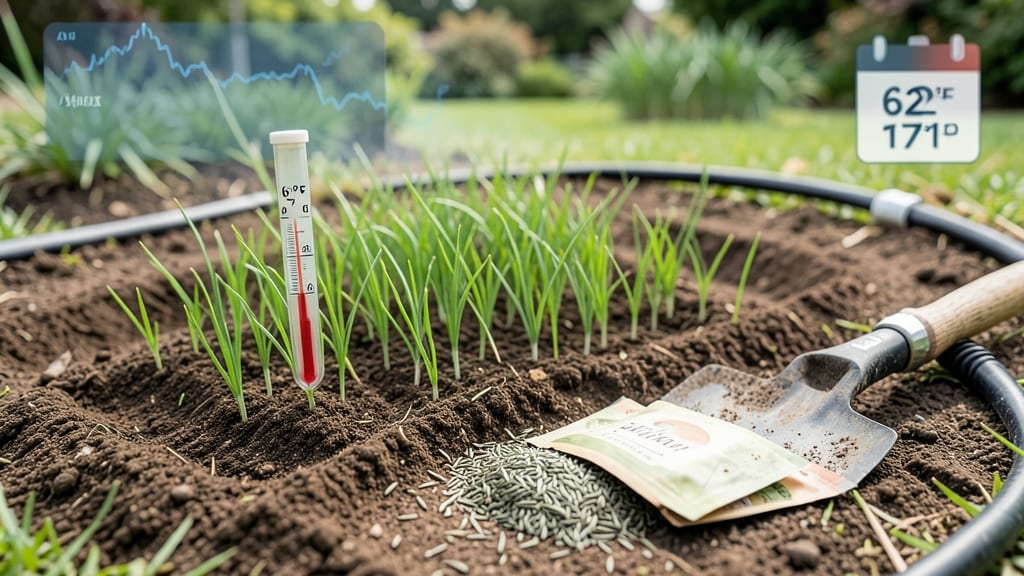
If you’ve ever stared at a patchy lawn and wondered when is the best time to plant grass seed in Massachusetts, the answer isn’t just about picking a month—it’s about avoiding frost, heat stress, and the common mistakes that leave lawns struggling.
Massachusetts’ 5b-6b climate demands precision: plant too early, and your 🌱 grass seed risks rotting in cold soil; too late, and winter’s first frost can stall growth before roots take hold.
The sweet spot? Late spring to early fall, when soil temperatures hover between 50°F and 65°F—ideal for germination.
Coastal areas like Cape Cod may have a slightly extended window, but inland regions should aim for May through September to give seeds the 6-12 months they need to establish deep roots before winter sets in.
Here’s the game-changer: timing isn’t just about the calendar—it’s about prep work. Testing your soil’s pH, choosing the right seed blend for your yard’s sun/shade, and watering consistently (daily for the first 2 weeks) are non-negotiables.
Skip these, and even the best planting window won’t save your lawn from thin spots or weeds.
I’ll break down the exact months to plant based on your goals—whether you’re racing to beat summer heat or prepping for a frost-resistant lawn—and how to adjust for Massachusetts’ unpredictable microclimates. Let’s get your lawn off to the right start.
Massachusetts grass seed planting timeline: late spring to early fall explained
Massachusetts’ variable climate—from coastal breezes to inland heat—means your grass seed timing must align with soil temperatures and rainfall patterns. The ideal window spans late April through early September, when daytime highs consistently reach 50°F–65°F and nighttime lows stay above 40°F.
This range ensures seeds germinate quickly without risking frost damage or heat stress.
Coastal areas like Cape Cod or Provincetown can plant 2–3 weeks earlier due to milder microclimates, while inland regions near Worcester or Springfield should wait until mid-May to avoid late frosts.
Always check your local frost dates—the last average frost in MA is April 15, but cold snaps linger in higher elevations.
Soil temperature is your best guide: Use a soil thermometer ($10 at garden centers) to confirm 50°F+ at 4-inch depth. If it’s cooler, seeds may rot; if hotter, they’ll dry out before sprouting. Early fall planting (late August–September) is often better than spring because cooler temps reduce weed competition and water stress.
Rainfall also plays a role. April–June typically delivers steady showers, but July–August can bring drought. If planting in summer, irrigate daily for the first 2 weeks to keep soil consistently moist. A rain gauge helps track moisture—aim for 1–1.5 inches per week during establishment.
🌱Pro Tip: Test your soil’s pH (6.0–7.0 ideal) and nitrogen levels before planting. MA’s sandy soils (common in eastern MA) drain fast, so mix in compost to retain moisture and nutrients.
🌱 Massachusetts Grass Seed Planting Summary
| Timeframe | Soil Temp (°F) | Climate Notes | Best For |
|---|---|---|---|
| Late April–Early May | 50–55°F | Cooler inland areas; frost risk | Fast summer coverage |
| May–June | 55–65°F | Ideal germination; steady rain | Full-season growth |
| July–August | 60–75°F | Hot/dry; needs irrigation | Shade-tolerant mixes |
| Late August–September | 50–60°F | Cooler; less weed pressure | Deep root systems |
🌿Avoid planting in: February–March (soil too cold), October–November (frost risk), or December–January (dormant season). Even if seeds sprout in late summer, fall frosts will kill tender seedlings. For coastal MA, extend the window to late September—ocean breezes delay frost.
If you’re overseeding an existing lawn, late summer (August) is ideal. Warm soil speeds germination, and established grass shades out weeds. For new lawns, spring planting gives grass a 6–8 week head start before summer heat arrives.
💧Watering hack: After planting, use a spray nozzle to mist seeds lightly for 3–4 days until sprouts appear. This prevents seeds from drying out or washing away. Once grass reaches 3 inches, reduce watering to 1 inch per week to encourage deep roots.
Finally, fertilize lightly 4–6 weeks after planting with a high-nitrogen starter fertilizer (e.g., 10-0-10). This boosts growth without overwhelming young roots. Fall planting benefits from a second feeding in October to strengthen roots before winter.
Massachusetts grass seed planting timeline: late spring to early fall explained
Massachusetts’ cool coastal climate and variable inland temperatures create a narrow window for planting grass seed. The ideal soil temperature for germination is between 50°F and 65°F, which typically aligns with late April through early September.
Planting outside this range risks seed rot (too cold) or drought stress (too hot).
Coastal areas like Cape Cod and Boston can plant 1-2 weeks earlier than inland regions like Western MA, thanks to milder microclimates. Always check a soil thermometer—if temps dip below 45°F, wait for warmer conditions to avoid poor germination.
Here’s the science-backed timeline for your Massachusetts lawn:
| Month | Soil Temp (°F) | Rainfall (in) | Best For |
|---|---|---|---|
| April (Late) | 50–55°F | 2–3" | Spring germination |
| May–June | 60–75°F | 3–4" | Fastest growth |
| July–August | 70–85°F | 1–2" | Deep watering critical |
| September (Early) | 60–65°F | 3–4" | Root establishment |
Spring planting (April–May) delivers quick summer coverage, while fall planting (September) strengthens root systems before winter. Avoid planting in July–August unless you’re prepared for daily watering—heat and drought stress seeds within days.
Coastal areas can extend fall planting to mid-October, but inland regions should stop by late September.
Pro tip: Test your soil’s pH (6.0–7.0 ideal) before planting. Acidic soil (pH <5.5) stunts germination, while alkaline soil (pH >7.5) locks out nutrients. Adjust with lime (to raise pH) or sulfur (to lower pH) 2–4 weeks before seeding.
For coastal MA, prioritize shade-tolerant mixes (like fine fescue), while inland areas thrive with Kentucky bluegrass. Always choose region-specific seed blends labeled for your zone to match your climate’s challenges.