
Plants
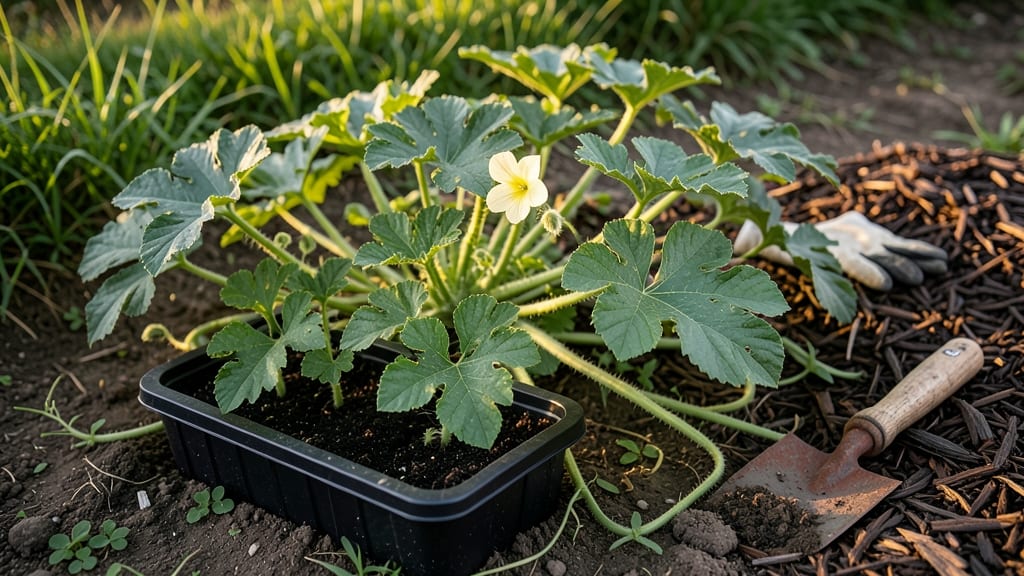
If you’ve ever planted watermelon in Texas only to watch your vines wilt under the relentless sun or your crop rot from unexpected spring frost, you know timing is everything.
The best time to plant watermelon in Texas isn’t just about the calendar—it’s about soil temperatures and heat-resistant varieties that thrive in your region’s unique climate.
From the North Texas Panhandle to the steamy Rio Grande Valley, each zone has its own sweet spot for planting. I’ll break down the exact soil temp triggers (50°F+ minimum) and regional planting windows so you can avoid common pitfalls and maximize your harvest.
Whether you’re a first-time gardener or a seasoned grower, these insights will help you beat the heat and grow melons that burst with flavor.
Why settle for store-bought watermelons when you can grow your own? With the right preparation—like mulching to regulate soil warmth and choosing drought-tolerant varieties—you’ll extend your growing season and enjoy homegrown sweetness from summer through fall. Let’s dive into the science and strategies that work in Texas gardens.
Ready to transform your backyard into a watermelon oasis? I’ll walk you through everything from soil prep to variety selection, so you can plant with confidence and reap the rewards of a bountiful harvest. Your taste buds (and your neighbors) will thank you!
Texas watermelon planting timeline: exact soil temp triggers & heat zones
Watermelons thrive in Texas heat, but timing your planting is critical—soil temperatures below 50°F stunt germination, while planting too late risks poor fruit development before summer’s end. Texas spans three distinct heat zones, each with its own frost-free window and ideal planting window.
North Texas faces earlier frosts, while South Texas can push watermelons into late summer harvests.
To nail the perfect planting window, focus on soil temperature (not air temperature) and your last average frost date. Use a soil thermometer to confirm 50°F+ soil temps at a 4-inch depth—this is your green light to plant.
In Texas, this typically aligns with mid-April to early June, depending on your region. For example, Dallas gardeners often wait until late April, while Houston gardeners can plant as early as mid-March.
Here’s how Texas heat zones break down for watermelon planting:
For North Texas gardeners, the 15-day rule applies: Wait at least 15 days after your last frost to plant watermelons outdoors. This gives the soil time to warm up naturally.
If you’re eager to start earlier, use black plastic mulch to raise soil temperatures by 5-10°F—just remove it once vines emerge to prevent overheating.
In Central and South Texas, you can push the envelope further. South Texas even allows for a fall planting (late summer) if you choose fast-maturing varieties like ‘Sugar Baby’.
Aim for a 90-day harvest window before your first frost, which in South Texas might be as late as December 15 in coastal areas.
Pro tip: Direct sow seeds once soil is warm—watermelons hate transplanting. Scatter seeds 1 inch deep, 6 inches apart, in hills spaced 3-4 feet apart.
Thin to the strongest seedling per hill once they’re 2 inches tall. This spacing gives vines room to sprawl and melons space to grow without competition.
Watch for soil temperature drops at night, especially in North Texas. If temps dip below 55°F, cover seedlings with floating row covers until the ground warms. This trick can extend your growing season by 2-3 weeks without risking frost damage.
Remember: Watermelons love heat, but they also need consistent moisture during fruit development. Plan to water deeply 1-2 times per week once vines start running. Mulch with straw or grass clippings to retain moisture and keep roots cool—especially critical in 100°F+ Texas summers. 🌱
Texas watermelon planting timeline: exact soil temp triggers & heat zones
Watermelons thrive in Texas’s heat, but timing is critical—plant too early, and frost will kill seedlings; too late, and scorching summer heat stunts growth. The secret lies in soil temperature, which must reach at least 50°F (10°C) before planting.
In Texas, this varies dramatically by region, from North Texas’s cooler springs to South Texas’s early warm-ups.
Use Texas A&M’s frost date maps as your guide: North Texas (Zones 7b-8a) waits until mid-April to May, while South Texas (Zones 8b-9a) can start as early as mid-March.
Central Texas (Zones 8a-8b) falls in between, with ideal planting in late April. Always check 7-day soil forecasts—cold snaps can delay germination for weeks.
For direct-sown seeds, aim for 2-3 weeks after your last frost date. In North Texas, this often means waiting until May 1, while South Texas gardeners can start as early as March 15.
If you’re transplanting seedlings, wait until soil temps hit 60°F+ (16°C)—any cooler, and roots struggle to establish.
Pro tip: Use black plastic mulch to warm soil faster in cooler zones. Lay it down 2-3 weeks before planting to raise temperatures by 5-10°F. This trick lets North Texas gardeners start planting 10-14 days earlier without risking frost damage.
Watch for soil moisture too—dry soil heats up faster than damp soil. Water lightly the day before planting to help stabilize temperatures. And remember: watermelons need heat to thrive, but 90°F+ (32°C) soil temps can scorch roots. Mulch with straw after planting to keep roots cool.
Timing isn’t just about months—it’s about heat accumulation. Track growing degree days (GDD) using Texas A&M’s tools. Watermelons need 1,200-1,500 GDD to mature. In South Texas, this happens naturally by June; in North Texas, you may need to extend the season with row covers until soil warms.