
Plants
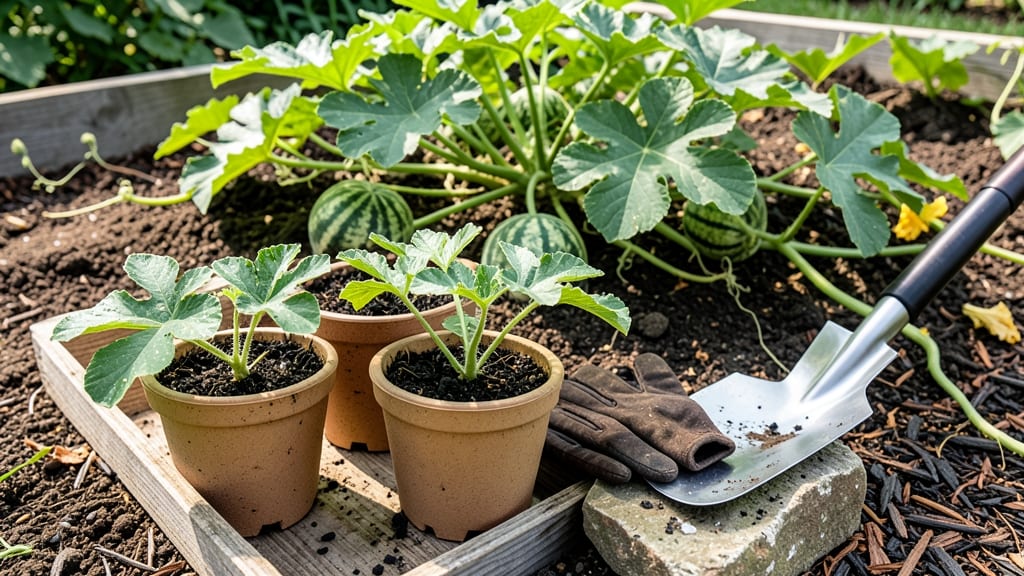
When to plant watermelon seeds in Florida could mean the difference between a bumper crop of juicy 🍉 and a disappointing harvest. With frost-free winters and year-round growing potential, Florida gardeners have two prime windows—early spring and late spring—to get seeds in the ground for maximum success.
Plant too early, and your seedlings might struggle with cool soil; too late, and you risk summer heat stress. The key is waiting until soil temperatures hit at least 70°F—typically between February-April for early varieties and June-July for late-season plantings. This ensures fast germination and strong vine growth.
Florida’s unique climate means you can even stretch your harvest by planting a second batch in late spring. Whether you’re in the 9a-11 zones or coastal areas, this guide breaks down the exact heat-zone timeline to help you avoid common mistakes and grow watermelons like a pro.
Ready to turn your garden into a 🍉 paradise? Let’s dive into the best planting strategies tailored just for Florida’s warm (and sometimes unpredictable) weather.
Florida heat-zone planting timeline for watermelon seeds (by region)
Florida’s unique climate—spanning USDA Zones 9a-11—means watermelon seeds can be sown year-round, but timing is critical for avoiding heat stress or poor germination. Unlike northern states, Florida’s frost-free windows (300-365 days) let you plant twice: once in early spring and again in late spring/summer.
Below is your region-specific guide to maximize yields.
For North Florida (Zones 8a-9a), like Jacksonville or Tallahassee, focus on February-April plantings.
Warmer Central Florida (Zones 9b-10a), including Orlando and Tampa, can start as early as January but prioritize March-April for ideal soil temps. South Florida (Zones 10b-11), from Miami to the Keys, enjoys year-round planting but peaks in June-July to escape summer’s brutal heat.
Here’s the key: Soil temperature must reach 70°F (21°C) for germination. Use a soil thermometer to confirm—cold soil delays sprouting by weeks. In Florida’s sandy soils, this often means waiting until mid-March for spring or early June for summer plantings.
🌱
| Region | Best Planting Window | Soil Temp Requirement | Harvest Window | Key Tip |
|---|---|---|---|---|
| North FL (Zones 8a-9a) | February–April | 70–75°F (21–24°C) | May–July | Use black plastic mulch to warm soil faster. |
| Central FL (Zones 9b-10a) | January–April or June–July | 70–80°F (21–27°C) | March–June or August–October | Choose heat-tolerant varieties like ‘Sugar Baby’. |
| South FL (Zones 10b-11) | Year-round, but peak June–July | 75–85°F (24–29°C) | July–November | Shade cloth helps avoid sunburn in summer. |
For early spring plantings, aim for 60–70 days to harvest by avoiding summer’s peak heat. Summer plantings (June-July) should use heat-resistant varieties like ‘Crimson Sweet’ or ‘Charleston Gray’ to survive Florida’s 90°F+ (32°C+) days.
Pro tip: In South Florida, succession planting every 2 weeks from June–August ensures a continuous harvest.
If you’re in North Florida, consider transplanting seedlings instead of direct sowing after March 15. Seedlings germinate faster in controlled conditions and can be hardened off for 2–3 weeks before outdoor planting.
For Central and South Florida, direct sowing works well if soil temps are ideal—just plant seeds 1 inch deep and space vines 6 feet apart.
Watch for false starts: Florida’s unpredictable cool snaps (even in summer) can stall growth. Use row covers if nighttime temps drop below 60°F (15°C). In South Florida, hurricane season (June–November) may delay planting—plan ahead with elevated beds to prevent waterlogging.
🌡️
Remember: Watermelons hate cold feet. Even in Florida, soil temps below 60°F (15°C) can cause seeds to rot. Test your soil with a thermometer before planting—it’s the #1 predictor of success.
For North Florida gardeners, consider a mini greenhouse or cold frame to jumpstart germination in January–February.
Finally, late plantings (August–September) in North/Central Florida may yield small melons before frost risk in December–January. In South Florida, you can plant year-round, but summer heat stress reduces fruit quality. Balance your schedule: Early spring = bigger melons; summer = smaller but continuous harvests.
Florida heat-zone planting timeline for watermelon seeds (by region)
Florida’s three distinct heat zones—North, Central, and South—create unique microclimates for watermelon cultivation. Unlike northern states, Florida’s frost-free winters mean you can plant year-round, but soil temperature and humidity dictate the best windows.
In North Florida (USDA Zones 8a-9a), cooler nights in spring delay planting until after March 15, while South Florida (Zones 10a-11) can start as early as January 1 for early varieties. Timing ensures optimal germination (70°F+ soil) and avoids heat stress during flowering.
For Central Florida (Zones 9a-9b), the sweet spot is February 15–April 15, aligning with rising soil temps and decreasing humidity. This zone balances early spring cool snaps with summer heat, making it ideal for both early and late varieties.
Miss this window, and you risk slow growth or pests like cucumber beetles thriving in overheated soil. Always check 7-day forecasts for unseasonal cold fronts, even in the South.
| Zone | Best Planting Window | Soil Temp Requirement | Harvest Window | Key Risk |
|---|---|---|---|---|
| North FL (8a-9a) | March 15–April 15 | 70°F+ (21°C+) | May–July | Late frost (rare but possible) |
| Central FL (9a-9b) | February 15–April 15 | 70°F+ (21°C+) | April–August | Humidity + fungal diseases |
| South FL (10a-11) | January 1–March 15 | 70°F+ (21°C+) | March–September | Heat stress (90°F+) |
🌱 Pro Tip: Use black plastic mulch to warm soil faster in cooler zones.
If you’re aiming for a summer harvest, plant June 1–July 15 in all zones. This late-season window works for heat-tolerant varieties like ‘Sugar Baby’ or ‘Crimson Sweet’, but requires extra shade cloth (30-50%) to protect young plants from intense afternoon sun.
For North Florida, this is your only chance to avoid early frost cutting the season short. Always harden off seedlings for 7–10 days before transplanting to prevent shock.
For extended harvests, stagger plantings every 2–3 weeks within your zone’s window. For example, in Central Florida, plant February 15, March 1, and March 15 to ensure continuous fruit from April through August.
This successive planting strategy maximizes yield and reduces pest pressure by breaking up monoculture. Pair early plantings with fast-maturing varieties (60–70 days) like ‘Black Diamond’ to avoid overlapping harvests.
Watch for soil temperature fluctuations—even in Florida. Use a soil thermometer to confirm 70°F+ at 2-inch depth before planting. In North Florida, March mornings can still dip below 60°F (15°C), slowing germination.
If temps drop unexpectedly, cover seedlings with frost cloth (even in the South during unusual cold snaps). Never plant before April 1 in North Florida unless you’re using a high tunnel or greenhouse.
Finally, avoid planting in August unless you’re using drip irrigation and shade cloth. The combination of heat (often 95°F+) and humidity creates ideal conditions for powdery mildew and vine borers.
If you must plant late, opt for dwarf varieties like ‘Tiny Tim’ (45 days to harvest) and space plants 3 feet apart to improve air circulation. Mulch heavily with straw or pine needles to retain moisture and suppress weeds.