
Flowers
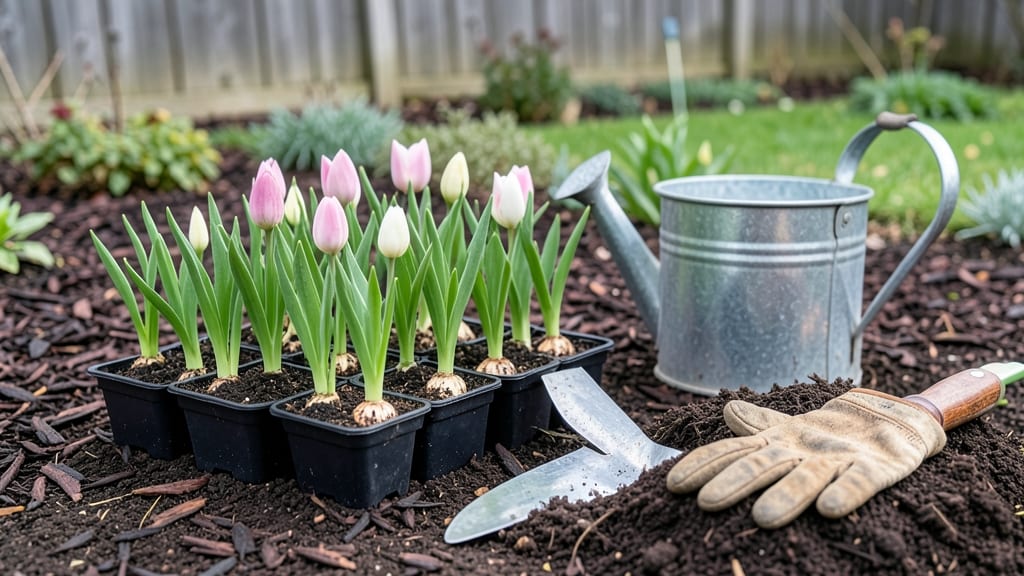
Planting flowers in spring is your golden ticket to a garden bursting with color—but timing it wrong can leave you with wilted dreams instead of blooms. That first frost date isn’t just a number; it’s the difference between vibrant 🌸 and sad, stunted stems.
In USDA Zone 6a, where spring arrives like a rollercoaster of thawing soil and sudden freezes, getting it right means knowing exactly when to dig in. Too early, and frost zaps your seedlings; too late, and summer heat sends your flowers bolting before they even open.
The key? Planting after your last frost—typically mid-April for most regions—but with a few smart adjustments.
I’ll show you how to read your climate like a pro, from choosing the right flowers for your zone to adjusting for early or late springs.
Whether you’re a beginner or a seasoned gardener, these tips will help you avoid the most common mistakes and set your garden up for success.
Ready to turn your spring planting into a blooming success? Let’s dive into the exact deadlines and strategies that’ll keep your flowers thriving all season long.
Spring flower planting deadlines by USDA hardiness zones
Timing your spring flower planting is all about avoiding frost and heat stress. The last frost date is your golden rule—plant too early, and tender seedlings become frost snacks; too late, and flowers bolt before blooming.
Most regions fall into USDA hardiness zones 3-10, each with its own planting window.
For example, gardeners in Zone 3 (cold climates) should wait until mid-May after the last frost, while Zone 10 (tropical zones) can plant as early as February. Even within the same zone, microclimates (like urban heat islands) can shift your ideal timing by 2-3 weeks.
🌱 Pro Tip: Use the 50°F soil temperature as your cue—most spring flowers thrive when roots can warm up. A soil thermometer is your best friend here!
| Zone | Last Frost Date | Planting Window | Best Flowers |
|---|---|---|---|
| 3-4 (Cold) | May 1-15 | After May 15 | Pansies, Snapdragons, Sweet Peas |
| 5-6 (Temperate) | April 15-May 1 | April 20-May 10 | Marigolds, Petunias, Zinnias |
| 7-8 (Warm) | March 15-April 1 | March 20-April 15 | Impatiens, Begonias, Coleus |
| 9-10 (Tropical) | January-February | February-March | Geraniums, Hibiscus, Bougainvillea |
🌿 Note: Adjust for high-altitude areas (+1 zone) or coastal regions (-1 zone).
Bulbs like tulips and daffodils are the exceptions—they need 6-8 weeks in cold soil before blooming. Plant them in fall (October-November) for spring color, not in spring. Think of them as the overachievers of the garden!
🌸 Regional Hack: Check your local cooperative extension service for hyper-local frost data. Their records are often more accurate than generic zone guides.
Heat-loving flowers like sunflowers and cosmos can handle late spring plantings (May-June), but they’ll bolt faster in Zone 9-10 if sown too early. Always match the flower’s heat tolerance to your climate.
💧 Watering Warning: Newly planted flowers need 1 inch of water weekly until established. Skip the watering can if rain delivers—overwatering in cool soil can rot roots faster than frost can kill.
Perennials like coneflowers and black-eyed Susans can go in early spring (March-April) in most zones, but wait until soil warms to 60°F for tender varieties. Test with your hand—if it’s uncomfortably cold, wait a week.
🌿 Final Tip: Use row covers to extend your planting window by 2-3 weeks in cold zones. They protect seedlings from late frosts while letting sunlight through.
How to adjust planting dates for early vs. late springs
Spring’s timing can be tricky—what’s perfect for your neighbor might freeze your flowers or send them bolting before they bloom. If your spring arrives early (think snow melt by March 1st or budding trees in late February), resist the urge to plant early.
Cool soil and lingering frost can still damage tender seedlings. On the flip side, a late spring with frost warnings in May demands patience. Adjusting your planting dates based on real conditions—not just the calendar—saves you from wasted effort and sad, wilted plants.
The key is watching soil temperature and local microclimates. Use a soil thermometer to check when temperatures hit 60°F (15°C) at a 4-inch depth—this is the sweet spot for most spring flowers.
If your area has warmer microclimates (like near a brick wall or paved surface), you can plant 1-2 weeks earlier than the general guideline. Conversely, shady or low-lying areas may need a 2-week delay to avoid late frosts.
Moon phases also play a subtle but helpful role. Planting during the waxing moon (when the moon is growing brighter) encourages root development, which is ideal for spring flowers. Aim for the 3-4 days after the new moon for best results.
This timing syncs with the natural energy of growth, giving your flowers a head start. Just avoid planting during a full moon, as the gravitational pull can stress young roots.
⚠️ WARNING: Late Spring Planting Pitfalls
Planting too late in spring can lead to heat stress and bolting—when flowers send up seed stalks instead of blooming. Here’s how to spot the danger signs:
- ❄️ Frost warnings after April 15: Delay planting until the threat passes.
- 🌡️ Soil temps above 70°F (21°C): Heat-loving flowers like marigolds can handle it, but cool-season blooms like pansies will struggle.
- 🌱 Seedlings stretching toward light: A classic sign of insufficient light or heat stress.
If you’re unsure, use row covers or cold frames to buy time for late plantings.
For unpredictable weather, have a backup plan. Start cool-season flowers like snapdragons or calendula indoors 6-8 weeks before your last frost date. These can be transplanted outdoors once the coast is clear.
If a late frost hits, cover young plants with frost cloth or even old bedsheets secured with bricks. Even a light frost can kill tender seedlings, so don’t skip this step—it’s better to be safe than sorry.
If your spring arrives early, focus on heat-tolerant varieties like zinnias or sunflowers for later plantings. These handle warmer soil better and won’t bolt as quickly. Pair them with shade-loving flowers like impatiens in cooler microclimates to extend your planting window.
This strategy ensures you get continuous color from early spring through summer, no matter what Mother Nature throws your way.
Finally, keep a gardening journal to track your local conditions. Note when your last frost occurs, how long it takes for soil to warm, and which flowers thrive in your microclimate. Over time, you’ll develop a custom planting schedule tailored to your yard’s quirks.
This pays off big time—no more guessing, just confident planting that leads to a showstopping garden all season long.
🌱