
Flowers
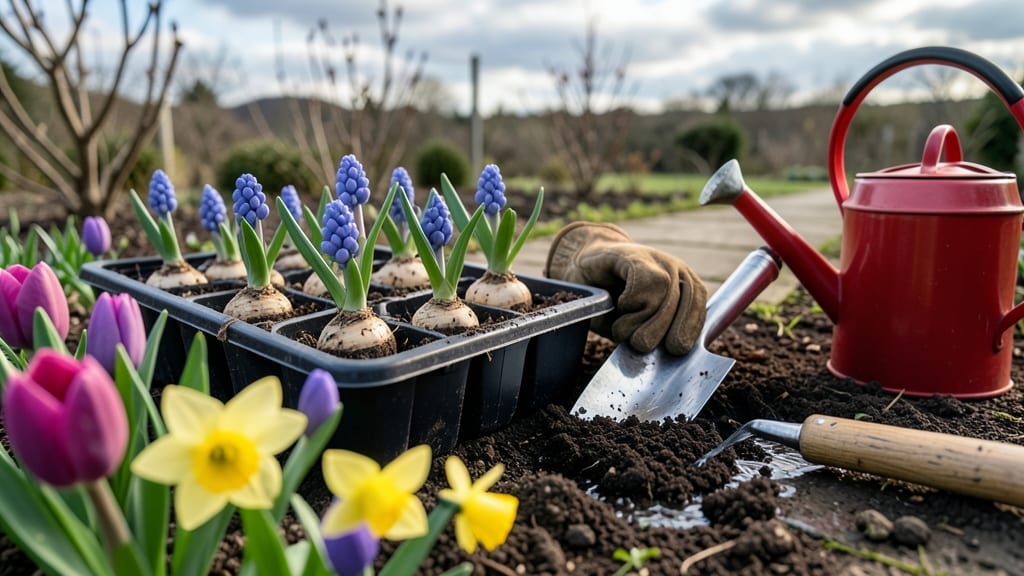
Timing your spring flower planting can mean the difference between a garden bursting with 🌸 vibrant blooms and one that never quite reaches its potential.
In Zone 6a, where last frost typically arrives around mid-April, getting the timing right is everything—but many gardeners still plant too early or too late, risking frost damage or stunted growth.
I’ve learned the hard way that waiting until the soil warms to at least 50°F and the danger of frost has passed isn’t just a suggestion—it’s the key to thriving flowers.
Whether you’re planting annuals for summer color or perennials that return year after year, the 2-week window after your last frost date is your golden opportunity.
This guide breaks down exactly when to plant in your specific microclimate, accounting for soil temperature, regional quirks, and even moon phases (yes, they matter!).
You’ll discover how to adjust for urban heat islands, windy coastal areas, or high-altitude gardens—so you’re not left guessing what to do when the weather doesn’t play by the rules.
Ready to transform your garden from "meh" to "wow"? Let’s dive into the microclimate-specific deadlines that will have your flowers blooming like never before—no more wasted effort, just stunning results.
Spring flower planting deadlines by USDA hardiness zones (with frost-date adjustments)
Getting your spring flowers in the ground at the right time can transform your garden from a frost-damaged mess to a blooming paradise. The key? Understanding your USDA hardiness zone and local frost dates.
Most gardeners wait for the "official" last frost date—but that can be too late for heat-loving annuals or too early for cool-season perennials. Let’s break down the exact planting windows for zones 3 through 10, including soil temperature thresholds and microclimate tweaks.
For example, gardeners in Zone 3 (think Minnesota or Maine) can start planting hardy annuals like pansies as early as mid-April, while those in Zone 10 (Southern California or Florida) might be planting tender marigolds in January.
The difference? Soil temperature and frost risk. Most flowers need soil to warm to at least 50°F (10°C) before planting, but some, like calendulas, tolerate cooler soils.
Here’s the golden rule: Wait until 2 weeks after your average last frost date for most annuals, but start perennials like peonies in early spring when soil is workable. The table below shows zone-specific deadlines, including adjustments for high-risk areas where late frosts are common.
Notice how Zone 9-10 gardeners can plant year-round in mild climates, while Zone 3-4 gardeners must wait until late spring? The soil temperature threshold is your best guide—stick your finger in the ground.
If it’s too cold, seeds won’t germinate, and transplants will wilt. Use a soil thermometer ($10 at garden centers) to check before planting.
Pro tip: Perennials like lavender and black-eyed Susans can handle cooler soils, so plant them 2-3 weeks earlier than annuals. Meanwhile, tender annuals like tomatoes (yes, they’re flowers too!) need warmer soil (60°F+) or they’ll rot. Always check the seed packet for specific guidelines—it’s your planting bible.
What about late frosts? If your area has a history of May
How to adjust planting timing for your microclimate (sun, wind, elevation)
Your local microclimate can shift planting deadlines by 2-4 weeks—even if you're just a few miles from a neighbor. Urban heat islands, coastal winds, and mountain elevations all create unique conditions that demand custom timing. Let's break down how to adjust your schedule for these common scenarios.
First, identify your garden's sun exposure. A south-facing slope warms 10-15°F faster than a north-facing area, letting you plant 2 weeks earlier. Meanwhile, shaded spots may need a 3-week delay until soil warms enough.
Use a soil thermometer to confirm readiness—50°F for most flowers, 60°F for heat-lovers like marigolds.
High-altitude gardens above 5,000 feet face cooler soils and shorter seasons. Adjust planting dates 2 weeks later than your zone's average, or opt for cold-hardy varieties like sweet alyssum or stock flowers. In these areas, row covers can push planting 3 weeks earlier by trapping heat.
Coastal gardens battle salty winds and chilly ocean breezes, which delay soil warming. Plant 1-2 weeks after your inland neighbors, and choose wind-resistant flowers like black-eyed Susans or beard grass. Windbreaks—even simple bamboo fencing—can create microclimates warm enough for tomatoes and petunias.
Shaded gardens throw timing rules out the window. Most sun-loving flowers won't thrive in less than 4 hours of sun, but shade-tolerant annuals like impatiens or coleus can be planted 4 weeks earlier than their sun-hungry cousins.
Test your spot with a light meter—2,000-3,000 foot-candles is ideal for partial shade.
Finally, urban gardens often face heat islands where pavement radiates warmth. Soil here can hit 70°F by March—perfect for warm-season flowers like zinnia or cosmos. Plant 3 weeks earlier than rural guidelines, but mulch heavily to prevent drought stress during heatwaves. 🌱