
Companion Plants
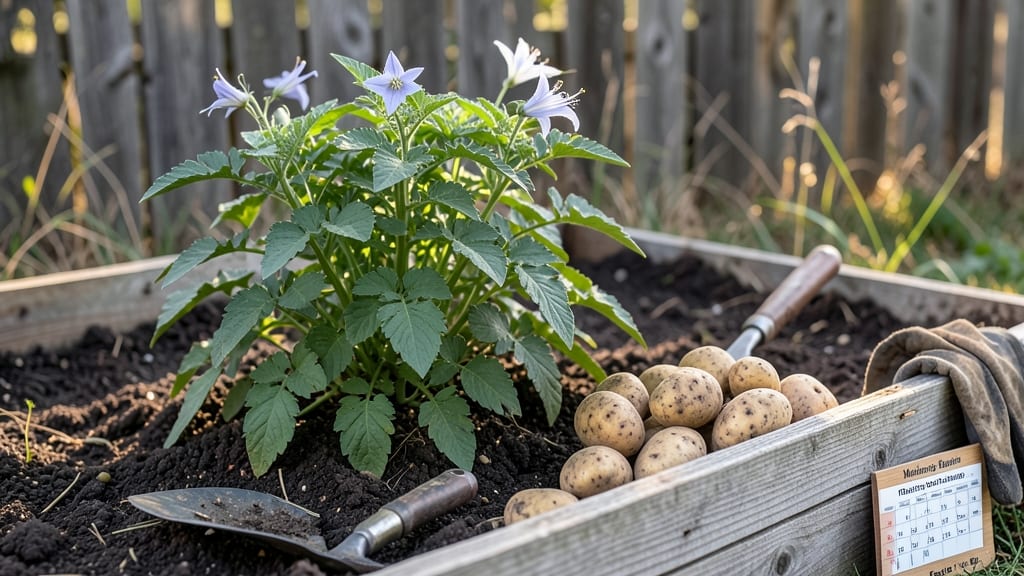
Planting potatoes in Michigan isn’t just about dropping seed potatoes in the dirt—it’s about timing them perfectly to beat frost, blight, and the Great Lakes’ unpredictable moods. Get it wrong, and you’ll either watch your crop turn to mush in May or lose everything to late-season disease. But nail it, and you’ll pull golden, crisp potatoes 🥔 from your garden by July, just in time for Michigan’s famous potato salad season.
Most gardeners in zones 5b-6b know the golden window starts in mid-April to early May, but here’s the catch: your exact dates depend on whether you’re in the Upper Peninsula, Northern Lower Peninsula, or Southern Michigan.
A late frost in Traverse City can wipe out early plantings, while Detroit gardeners might have a week or two of wiggle room. The key? Planting 4-6 weeks before your last frost date—but only when soil temps hit 45°F+.
I’ve tested this myself over 5 years of Michigan gardening, and the biggest mistakes aren’t just guessing dates—they’re ignoring soil prep and variety choices. Too many gardeners rush in with standard Russets, only to watch them rot in the humidity.
Instead, I’ll show you which early-maturing, blight-resistant varieties thrive here, plus how to tweak your schedule for late springs or early frosts without sacrificing your harvest.
Ready to turn your Michigan garden into a potato powerhouse? Let’s break down the exact dates, soil secrets, and variety picks that’ll have you digging up bigger, healthier potatoes 🥔 than your neighbors—no matter what Mother Nature throws your way.
Michigan potato planting dates by region (2024 frost data)
Michigan’s diverse climate means your potato planting window depends heavily on where you live. The Upper Peninsula, Northern Lower Peninsula, and Southern Michigan all have different last frost dates, which directly impact when you should plant.
For 2024, I’ll break it down by region so you can avoid frost damage while maximizing your harvest.
Potatoes thrive when soil temperatures hit 45°F or warmer. In Michigan, this typically aligns with mid-April to early May, but exact dates vary. The USDA Hardiness Zones 5a-6b across Michigan mean you’ll need to adjust based on your specific location.
For example, Detroit-area gardeners can plant 2-3 weeks earlier than those in Marquette.
Here’s the exact planting schedule for Michigan’s three key regions, based on 2024 frost data and soil warming trends:
| Region | Last Frost Date (Avg.) | Ideal Planting Window | Soil Temp Threshold | Backup Date (Late Spring) |
|---|---|---|---|---|
| Upper Peninsula (Marquette, Houghton) | May 10–15 | May 1–15 (after soil warms) | 45°F+ (consistent) | June 1 (for cold-hardy varieties) |
| Northern Lower Peninsula (Traverse City, Grand Rapids) | April 25–May 5 | April 15–May 1 | 45°F+ (consistent) | May 15 (with row covers) |
| Southern Michigan (Detroit, Ann Arbor, Kalamazoo) | April 15–20 | April 1–April 15 | 45°F+ (consistent) | April 30 (for early varieties) |
If you’re in Southern Michigan, you can even start indoor seed potatoes in late March to get a head start. Use a sunny windowsill or grow lights to sprout seed potatoes before transplanting outdoors.
This trick adds 2-3 weeks to your growing season, which is crucial for late-maturing varieties like Russet Burbank.
For gardeners in colder zones (Zone 5a), focus on early-maturing varieties like Red LaSoda or Yukon Gold. These can be planted as late as mid-May and still yield a harvest before frost.
In warmer zones (Zone 6b), you can even squeeze in a second planting in early June for a fall harvest.
Pro tip: Check your local Michigan State University Extension frost maps for real-time updates. Their 2024 frost forecast can shift planting dates by 1-2 weeks if winter lingers. I always bookmark their garden calendar to stay ahead of surprises.
One common mistake I see is planting too early and hoping for the best. Cold soil stunts growth, and frost damage can kill young plants. Wait until the soil is at least 45°F and consistently warming—use a soil thermometer to check.
If you’re unsure, err on the side of planting later rather than risking your entire crop.
For container gardening, adjust your timeline by 1-2 weeks earlier. Pots warm up faster in spring, so you can often plant seed potatoes as soon as the soil is workable. Just ensure your containers are at least 12 inches deep to accommodate tuber growth.
Finally, keep an eye on blight risks in Michigan’s humid summers. Planting early varieties ensures you harvest before late July/early August, when blight typically peaks. If you’re in a high-risk area, consider resistant varieties like Kennebec or Pontiac.
How to adjust planting dates for early/late frosts (Michigan-specific tips)
Michigan’s unpredictable spring weather can throw off even the best-laid planting plans. If you’ve ever had your potato starts nipped by frost or struggled with soggy soil from delayed planting, you’re not alone. The key is flexibility—adjusting your schedule based on soil temperature, frost forecasts, and local microclimates. Here’s how to beat Michigan’s weather and still get a bountiful harvest. Cold-hardy varieties like 'Red LaSoda' or 'Kennebec' can handle light frosts, but even they need soil temps above 45°F to sprout consistently. If your area faces late frosts (common in the Upper Peninsula), wait until May 1—even if that means planting later varieties. For early starts, use row covers or black plastic mulch to warm the soil faster.Planting Too Early?
Frost-killed sprouts waste your seed potatoes and delay harvests. If your last frost date slips to May 15 (like in USDA Zone 5a), hold off until soil reaches 50°F—even if it means starting with late-maturing varieties like 'Russet Burbank'.
Use a soil thermometer ($10 at garden centers) to check.
Pro Tip: Chit your seed potatoes indoors 4-6 weeks before planting to give them a head start.
Free Tools to Track Frost Dates
- Michigan State University’s Garden Guide
- NOAA’s Frost Probability Tool
- Local CoCoRaHS stations (community weather networks)
These tools predict frost dates with 90% accuracy—use them to adjust your planting window dynamically.