
Plants
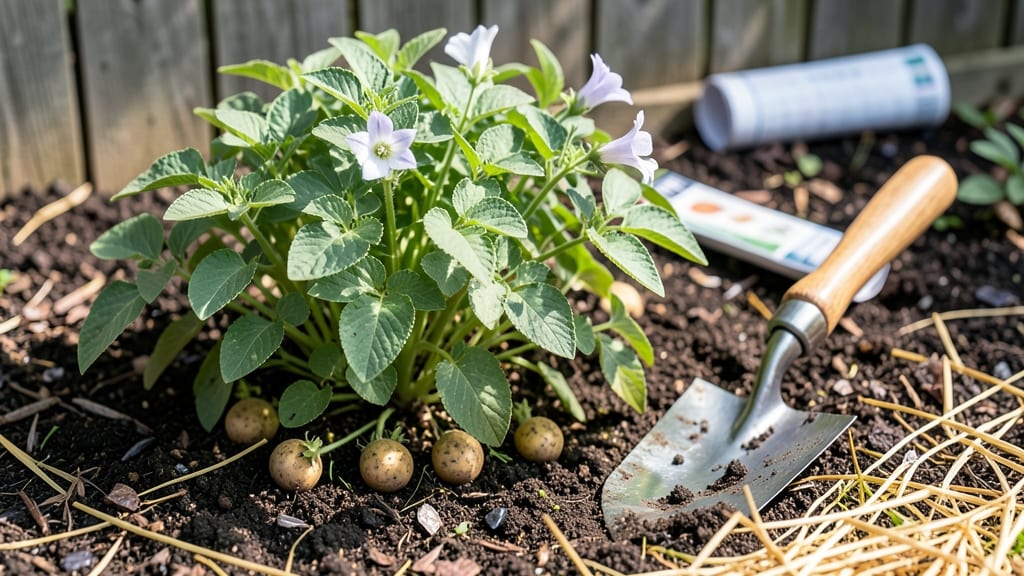
Planting potatoes in Michigan at the wrong time can mean the difference between a bumper crop of crisp, golden 🥔 and a sad, frost-bitten disappointment.
The key is timing it right—when soil temperatures hit that sweet spot of 45°F and you're 4-6 weeks before the last frost, usually between early April and mid-May.
Michigan’s USDA zones 5b-6b bring their own challenges, from unpredictable spring freezes to short growing seasons. But with the right cold-hardy varieties and a few soil-temperature tricks, you can outsmart Mother Nature and get a head start on your harvest.
I’ll show you exactly how to read the signs and avoid common mistakes that waste your effort.
Whether you’re a first-time gardener or a seasoned grower, knowing when to plant potatoes in Michigan isn’t just about the calendar—it’s about understanding your local frost dates, soil conditions, and which varieties thrive in your region.
Let’s dive into the strategies that’ll help you grow potatoes like a pro, even with Michigan’s fickle weather.
From chitting your seed potatoes to choosing the best spot in your garden, I’ll walk you through every step to ensure your 🥔 plants get the start they need. Ready to turn your garden into a potato powerhouse? Let’s get planting!
Michigan potato planting calendar: soil temperature rules for success
Michigan’s cool springs and variable frost dates demand precision when planting potatoes. Unlike warmer climates, you can’t just toss seed potatoes into the ground—timing based on soil temperature and last frost dates separates success from failure.
In Michigan’s USDA zones 4-6, planting too early risks frost heave, while waiting too long shortens the growing season.
For optimal potato yields, aim to plant when soil temperatures hit 45°F (7°C)—this triggers sprouting. Wait until 50°F (10°C) to actually plant, as cooler soils slow tuber formation.
Michigan’s last average frost dates range from mid-April in southern regions (like Detroit) to early May in the north (Traverse City, Marquette). Planting 4-6 weeks before these dates ensures your potatoes mature before frost.
Here’s the golden rule: Start seed potatoes indoors in March (a process called chitting) to give them a head start. By the time soil warms, your potatoes will already have 1-inch sprouts, accelerating growth.
This is especially critical for early-season varieties, which need every extra day to mature before Michigan’s first autumn frosts (mid-October to early November).
| Region | Last Avg. Frost | Ideal Planting Window | Soil Temp. Threshold |
|---|---|---|---|
| Southern MI (Detroit, Kalamazoo) | Mid-April | Late March–early April | 45°F+ (7°C) |
| Central MI (Lansing, Grand Rapids) | Late April | Early–mid April | 50°F+ (10°C) |
| Northern MI (Traverse City, Marquette) | Early May | Late April–early May | 50°F+ (10°C) |
If you’re growing late-season varieties (like Kennebec), you can push planting to mid-May, but this cuts your harvest window. For maximum yields, prioritize early-maturing types (60–90 days to harvest) that thrive in Michigan’s short season.
For example, ‘Red Norland’ matures in 80 days, while ‘Yukon Gold’ takes 90 days—both perfect for Michigan’s climate.
Pro tip: Use a soil thermometer to monitor temperatures. Dig 4 inches deep (where potatoes grow) and check daily. If temps dip below 45°F (7°C) at night, delay planting—cold soils stunt growth.
In southern Michigan, you might get two plantings: one in late March for early harvests and another in May for fall storage potatoes.
Don’t overlook microclimates. Gardens near lakes or rivers (like those in Traverse City) warm faster than inland areas. Use this to your advantage: plant 1–2 weeks earlier in these spots.
Conversely, high-elevation areas (e.g., Upper Peninsula) may need to wait until early May to avoid frost damage. Always check local frost maps from Michigan State University Extension for precise guidance.
For extended-season growing, try row covers or low tunnels to push harvests into early fall. This adds 2–3 weeks of growth, letting you plant late varieties like ‘Russet Burbank’ successfully.
Just remove covers during daytime warmth to prevent overheating. Pair this with black plastic mulch to warm soil faster—a game-changer for cool Michigan springs.
Remember: Potatoes hate soggy soil. If spring rains delay planting, opt for well-drained raised beds or amend clay soil with compost and sand. Aim to plant by mid-April in the south and early May in the north to avoid blight risks that peak in Michigan’s humid summers.
With the right timing, you’ll harvest bountiful, disease-resistant potatoes before frost sets in.
🌱
Michigan potato planting calendar: soil temperature rules for success
Michigan’s short growing season demands precision when planting potatoes. The key is timing: soil temperature must reach 45°F for sprouts to emerge, but 50°F+ is ideal for planting.
In USDA zones 5b-6b, this typically aligns with late April to early May, but regional variations matter—Detroit’s last frost averages May 10, while Traverse City’s is May 5. Always check your local frost dates to avoid frost heave damage.
Early varieties like ‘Yukon Gold’ thrive when planted 4-6 weeks before the last frost, while late varieties such as ‘Kennebec’ need 2-3 weeks earlier to mature fully. Planting too soon risks blackleg disease in wet soils, while waiting too long cuts harvest time.
Use a soil thermometer to confirm readiness—45°F is your green light for sprouting.
🌱 Did You Know? Michigan State University Extension recommends chitting (pre-sprouting) seed potatoes indoors 4-6 weeks before planting to jumpstart growth in cold soils.
📅 Michigan Potato Planting Timeline
| Region | Last Avg. Frost | Planting Window | Soil Temp. Goal |
|---|---|---|---|
| Detroit | May 10 | April 15–May 1 | 45°F+ |
| Traverse City | May 5 | April 1–April 15 | 45°F+ |
| Grand Rapids | May 8 | April 10–April 25 | 45°F+ |
Source: Michigan State University Extension, 2023
For extended harvests, try a successive planting strategy: plant early varieties in late April and late varieties in early May. This spreads out your yield and reduces waste. Just ensure well-draining soil—potatoes hate soggy conditions. Amend clay soils with compost to improve aeration and warmth retention.
Pro tip: Mulch with straw after planting to retain soil heat and suppress weeds. This is especially critical in Michigan’s cool, wet springs. Aim for 2-3 inches of mulch once sprouts emerge. Avoid plastic mulch—it can overheat soil and stress young plants.
Remember, soil temperature > air temperature for planting decisions. Even if daytime highs reach 60°F, the soil may still be too cold. Test it 2 inches deep in the morning for the most accurate reading.
With the right timing, you’ll dodge frost and blight, setting your garden up for a bountiful potato harvest by July or August.