
Planting
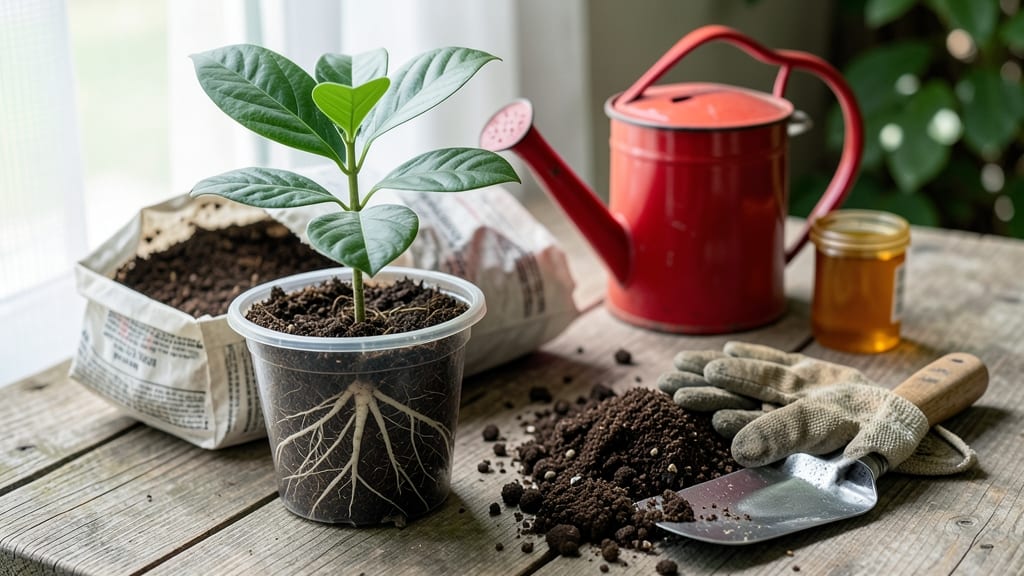
Avocado plant root check method: how to test for soil transplant readiness
Transplanting your avocado plant into soil too soon can stunt root growth, while waiting too long risks rot or fungal infections. The key is checking for healthy, established roots—typically 2-3 inches long—before making the move. This root-check method ensures your plant is ready for soil while minimizing stress.
Start by inspecting your avocado plant’s roots every 2-4 weeks after germination. Healthy roots should be white or tan, firm to the touch, and free of black or mushy spots.
If roots are still thin and translucent, give it more time in water or a well-draining seedling mix.
Here’s how to perform the root check: Gently remove the plant from its container (if in water, tilt the glass) and examine the roots. If they’re crowded or circling the bottom of the container, it’s a sign they need more space in soil.
Roots should also show new growth—thickening and branching—indicating readiness.
Another clue is how quickly the water drains. If your avocado plant’s water level drops within 3-5 days, its roots are actively absorbing nutrients and are likely ready for soil. Slow drainage suggests underdeveloped roots still adapting to their environment.
Step-by-Step Root Check for Avocado Plant
- Week 6-8: Roots should reach 1-2 inches. If they’re white and firm, proceed to a small pot with soil.
- Week 10-12: Roots should be 2-3 inches long with visible branching. Test by gently tugging—roots should hold the plant securely.
- Week 14+: If roots are crowded or circling the container, transplant into a 12-inch pot with well-draining soil.
- Red Flags: Black, mushy, or slow-growing roots mean delay transplanting and adjust water or light conditions.
The best time to transplant outdoors depends on your climate zone. In USDA Zone 6, wait until after the last frost date (mid-May) and soil temperatures reach 60°F or warmer.
In warmer zones (e.g., Zone 9b+), you can transplant year-round, but spring or early fall offers the gentlest transition.
For indoor-grown avocado plants, transition to soil 4-6 weeks before moving outdoors to harden off the roots. Place the potted plant in a bright, indirect light spot and gradually increase sunlight exposure over 7-10 days to mimic outdoor conditions.
Once your avocado plant passes the root check, choose a well-draining soil mix (e.g., 50% potting soil, 30% perlite, 20% compost) to prevent root rot. Avoid heavy clay soils, which can suffocate young roots and lead to transplant shock.
After transplanting, water deeply to settle the soil and encourage root expansion. Keep the soil moist but not soggy for the first 2-3 weeks, then taper off to every 7-10 days as the plant adjusts. Yellowing leaves or wilting may signal overwatering or poor drainage, so monitor closely.
With the right timing and care, your avocado plant will thrive in soil, setting the stage for years of lush growth and potential fruit. Patience during this phase pays off—healthy roots today mean a strong, productive tree tomorrow.
Best soil and pot conditions for avocado plant transplant success
Transplanting your avocado plant into soil requires the right conditions to prevent shock and encourage strong root growth. Start by choosing a well-draining soil mix—avocados hate soggy roots.
A blend of 50% potting soil, 30% perlite, and 20% compost works perfectly. This combination ensures airflow while retaining moisture without suffocating delicate roots.
For pots, opt for a 12- to 18-inch container with drainage holes. Terracotta pots are ideal because they wick away excess moisture, reducing the risk of root rot.
If planting outdoors, dig a hole twice as wide as your seedling’s root ball but only as deep as the container it came in. This prevents burying the stem base, which can cause disease.
The ideal soil pH for avocados is 6.0 to 7.0—slightly acidic to neutral. Test your soil with a kit before transplanting.
If your soil is too alkaline, mix in sulfur or peat moss to adjust the pH. Avoid fresh manure or heavy fertilizers during transplant—wait 4-6 weeks to feed your tree once it’s established in its new home.