
Plants
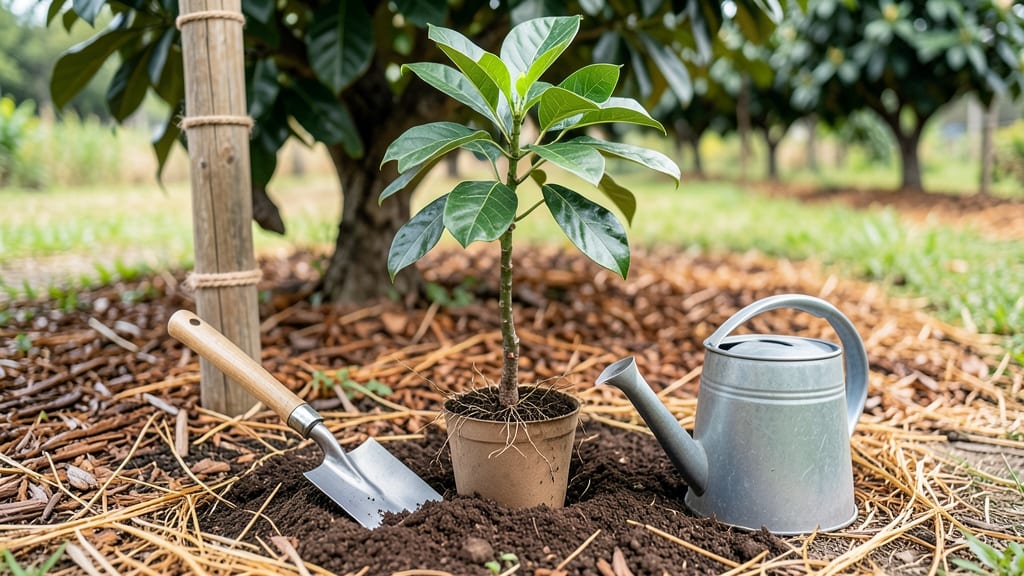
Timing matters more than you think when it comes to planting avocado in soil—get it wrong, and your 🥑 tree could be doomed before it even takes root. Unlike hardy perennials, avocados are tropical divas that demand warmth, and rushing the process means risking frost damage or stunted growth.
Most gardeners in Zone 6 (and beyond) wait until after the last frost—typically April or May—when soil temperatures consistently stay above 60°F. But here’s the catch: even if your calendar says spring, your local microclimate might have a different story to tell.
In this guide, I’ll break down exactly when to plant your avocado for maximum success, whether you’re tucking it into the ground or a container. You’ll learn how to read soil temperature cues, adjust for your region, and spot the 5 signs your tree is either thriving or in trouble.
No more guessing games—just science-backed timing to help your avocado grow strong, fast, and fruit-bearing in 1-2 years. Let’s get those roots in the right place at the right time.
Ideal soil temperature and climate Zones for planting avocado trees
Avocado trees (Persea americana) are tropical darlings that despise cold—soil temperatures below 60°F (15°C) can stunt root growth or even kill young plants. The key to success? Planting when the ground stays consistently warm, typically in spring after the last frost date in your region.
Most avocados thrive in USDA Hardiness Zones 9-11, where winters rarely drop below 25°F (-4°C). Outside these zones, gardeners in Zones 7-8 can grow avocados in containers and move them indoors during winter, while Zone 6 and colder climates require greenhouse cultivation or dwarf varieties.
To test soil warmth before planting, use a soil thermometer at a 4-inch depth. Aim for 65°F (18°C) or warmer—this triggers root activation.
In cooler climates like Southern California or Florida’s inland areas, this often aligns with April or May, while Hawaii’s tropical zones allow planting year-round.
Regional microclimates matter! Coastal areas (e.g., San Diego) may have warmer soil 2-4 weeks earlier than inland valleys. Urban heat islands can also push planting dates 10-14 days forward compared to rural areas.
| Climate Zone | Ideal Planting Months | Soil Temp Requirement | Notes |
|---|---|---|---|
| Zones 9-11 (Tropical/Subtropical) | Year-round (best: March-May) | 60°F+ (15°C+) | No frost risk; plant after heavy rains. |
| Zones 7-8 (Mediterranean) | April-June (after last frost) | 65°F+ (18°C+) | Use containers for winter protection. |
| Zones 6 & Colder | Late May-July (greenhouse only) | 70°F+ (21°C+) | Dwarf varieties like 'Mexicola' recommended. |
| Coastal Microclimates | March-April (2-4 weeks earlier) | 62°F+ (17°C+) | Warmer ocean breezes accelerate soil warming. |
For container growers, soil warmth is less critical than air temperature. Move potted avocados outdoors only when nighttime temps stay above 50°F (10°C). Harden off seedlings gradually by placing them in partial shade for 2-3 hours daily before full sun exposure.
Watch for yellowing leaves or stunted growth—these are red flags your avocado was planted too early. In Zone 10, where frost is rare, August-September planting can work if you’re growing from seed, but established trees still prefer spring for best root establishment.
Pro tip: Use black plastic mulch to warm soil 5-10°F faster in cooler climates. This trick lets you plant 2-3 weeks earlier in Zones 8-9 without risking cold damage.
Remember, avocados hate waterlogged soil. Amend heavy clay with compost and perlite to ensure drainage—root rot is the #1 killer of newly planted trees. Test your soil’s pH (6.0-7.0 ideal) and adjust with lime or sulfur if needed.
Step-by-Step planting timeline by season and location
Planting your avocado tree at the right time depends on whether you're in a tropical, subtropical, or Mediterranean climate. In USDA Zones 9-11, you can plant year-round, but spring (March-May) is ideal for root establishment before summer heat.
For cooler regions (Zones 7-8), wait until after the last frost date, typically late April or May.
If you're in Zone 6 or colder, container growing is your best bet—plant in late spring and move indoors when temps drop below 40°F. Urban gardeners should also account for heat islands, which can delay frost by 2-3 weeks compared to rural areas.
🌱 Step 1: Wait until soil reaches 60°F+ (test with a soil thermometer).
🌱 Step 2: Plant bare-root pits 1/3 buried in well-draining soil.
🌱 Step 3: Water deeply 2-3x/week for first month.
🌱 Step 1: Choose partial shade to avoid transplant shock.
🌱 Step 2: Mulch heavily to retain moisture during heatwaves.
🌱 Step 3: Water daily in pots, bi-weekly in ground.
🌱 Step 1: Plant 6-8 weeks before first frost (if any).
🌱 Step 2: Use black plastic mulch to warm soil.
🌱 Step 3: Reduce watering to monthly once established.
For container growers, timing shifts slightly: plant in late spring and move pots to a sunny patio during summer. In Zone 8 and below, overwinter your avocado indoors near a south-facing window, resuming outdoor planting in May.
Always check your local agricultural extension office for frost-free date updates.
Pro tip: Moon phases matter! Plant during the waxing moon (above horizon) for root growth. Avoid planting during a full moon, when energy flows upward—this can stress young roots.
Remember, soil temperature is your ultimate guide. If your soil hasn’t warmed to 60°F+, even spring planting can fail. Use a soil thermometer ($10 at garden centers) to avoid guesswork.