
Plants
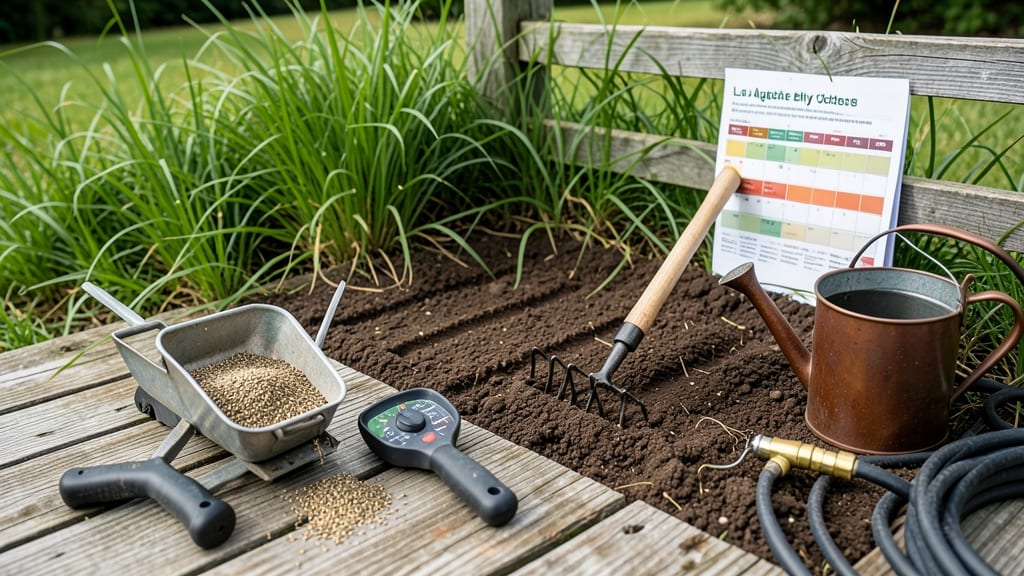
Timing your grass seed planting in Missouri isn’t just about the calendar—it’s about beating the unpredictable weather that can make or break your lawn.
Whether you're in the humid south or the cooler north, planting too early risks frost damage, while waiting too long might leave your lawn vulnerable to summer heat and drought.
I’ve seen firsthand how a few weeks can mean the difference between a lush green lawn and a patchy, struggling one. Missouri’s climate varies dramatically, and understanding the best planting windows for your specific microclimate is the key to success.
Let’s break down the science behind when to plant for the most vibrant, resilient grass possible.
Cool-season grasses like Kentucky Bluegrass thrive in Missouri’s mild springs and falls, while warm-season varieties need the heat of summer to establish roots. But without knowing your exact zone or soil conditions, you might miss the perfect window.
I’ll walk you through the ideal months for each region, so you can plant with confidence and avoid common mistakes.
Ready to transform your yard? By the end of this guide, you’ll know exactly when to plant grass seed in Missouri—whether you’re in St. Louis, Kansas City, or the Ozarks—and how to prepare your soil for the best results. Let’s get started.
Missouri’s microclimate zones: when to plant grass seed by region
Missouri spans USDA hardiness zones 5a to 7a, creating dramatic differences in frost dates and growing seasons. In northern Missouri (zones 5a-6a), like St. Joseph, winters are colder with later springs, while southern Missouri (zones 6b-7a), such as Springfield, enjoys warmer soils earlier.
These variations mean your planting window shifts by 4-6 weeks depending on location.
The Ozark region adds another layer—higher elevations mean cooler soil temperatures even in summer. For example, Branson’s first frost often arrives by October 15, while Kansas City may see frost as late as November 10.
Understanding these patterns helps you avoid planting too early when seeds rot or too late when weeds outcompete tender sprouts.
Here’s how Missouri’s three main regions dictate your grass seed planting schedule, with soil temperature thresholds that separate success from struggle:
| Region | USDA Zone | Best Planting Window | Soil Temp Threshold | Key Challenge |
|---|---|---|---|---|
| Northern Missouri | 5a-6a | Mid-April to early May OR Late August to mid-September |
50°F (10°C) minimum | Late frosts (April 15 risk) |
| Central Missouri | 6a-6b | Late March to early April OR Mid-August to early September |
55°F (13°C) minimum | Drought in summer |
| Southern Missouri | 6b-7a | Early March to mid-April OR Late July to mid-August |
60°F (16°C) minimum | Humidity/fungal diseases |
| Ozark Highlands | 6a-6b (higher elevation) | Late April to early May OR Late August to early September |
45°F (7°C) minimum | Slow soil warming |
Missouri’s fall planting window is often superior for cool-season grasses like Kentucky Bluegrass and Tall Fescue because cooler temps reduce weed competition and drought stress. Seeds sown in September can germinate, establish roots, and enter dormancy before winter—giving them a 30% head start in spring compared to spring planting.
However, warm-season grasses like Bermuda and Zoysia demand consistent warmth. Planting these varieties before May 15 in southern Missouri risks frost damage, while northern areas should wait until June 1 to ensure soil stays above 65°F for 6+ weeks.
Rainfall patterns also play a role: Southern Missouri often sees drier springs, making fall planting the safer bet, while northern regions benefit from spring’s reliable moisture. Check your local Missouri Climate Center data for 30-day precipitation forecasts before committing to a planting date.
For urban areas like St. Louis or Columbia, heat islands can push soil temperatures 5-10°F warmer than rural zones. If your lawn sits near pavement or buildings, test soil temps 2 inches deep—these microclimates may support earlier spring planting or later fall planting than surrounding areas.
Finally, elevation matters: Every 1,000 feet gain in the Ozarks drops temperatures by 3-5°F. At 1,500 feet (like near Salem), aim for mid-May planting for cool-season grasses, while valleys near 1,000 feet (like Poplar Bluff) can plant as early as April 1.
To pinpoint your exact window, note your last spring frost (average April 15 in St. Louis, May 1 in Kansas City) and first fall frost (average October 15 in Springfield, November 1 in Columbia). Plant 4-6 weeks before your first frost for fall success.
Missouri’s unpredictable weather means flexibility is key. If a late frost threatens, delay planting until soil warms 5°F above your grass type’s minimum. For cool-season grasses, this often means waiting until May 10 in northern zones—patience prevents seed rot and ensures stronger roots.
Cool-season vs. warm-season grasses: Missouri’s best choices and planting rules
Missouri’s climate favors two distinct grass types: cool-season grasses that thrive in spring and fall, and warm-season grasses that prefer summer’s heat. Choosing the right type—and planting it at the perfect time—can mean the difference between a lush, green lawn and one that struggles to establish.
Let’s break down your best options and their ideal planting windows.
For cool-season grasses like Kentucky Bluegrass and Tall Fescue, fall planting is your golden window. These grasses establish roots before winter, giving them a head start in spring. In Missouri, aim to plant between mid-August and mid-September, when soil temperatures drop below 80°F but stay above 50°F.
This timing helps seeds germinate without competing with summer heat.
Warm-season grasses, such as Bermuda and Zoysia, prefer the warmth of late spring to early summer. Plant these between mid-April and mid-June, once soil temperatures consistently reach 65°F or higher. These grasses go dormant in winter, so early planting ensures they have time to establish before summer’s peak stress.
Here’s how Missouri’s climate influences each type’s performance:
| Grass Type | Best Planting Window | Establishment Time | Missouri Climate Notes |
|---|---|---|---|
| Kentucky Bluegrass | Late August–October | 6–8 weeks | Thrives in northern MO; needs consistent moisture. |
| Tall Fescue | September–October | 4–6 weeks | Drought-tolerant; ideal for southern MO’s heat. |
| Bermuda | April–June | 3–4 weeks | Goes dormant in winter; needs full sun. |
| Zoysia | May–June | 4–6 weeks | Slow to establish; best for southern MO’s humidity. |
If you’re unsure which grass suits your yard, consider your USDA hardiness zone. Northern Missouri (zones 5a–5b) leans toward cool-season grasses, while southern Missouri (zones 6b–7a) can handle warm-season varieties with ease.
Mixing types? Plant cool-season grasses in fall and warm-season grasses in spring to avoid competition.
Pro tip: Test your soil before planting. Missouri’s clay-heavy soils often need amendments like compost to improve drainage. Aim for a pH between 6.0 and 7.0 for optimal germination. Adjusting soil now saves headaches later when your lawn struggles to take hold.
Timing isn’t just about months—it’s about soil temperature and weather patterns. Use a soil thermometer to confirm conditions match your grass type’s needs. In Missouri, a 5-day forecast without rain is ideal for planting, so check the weather before you start.