
Plants
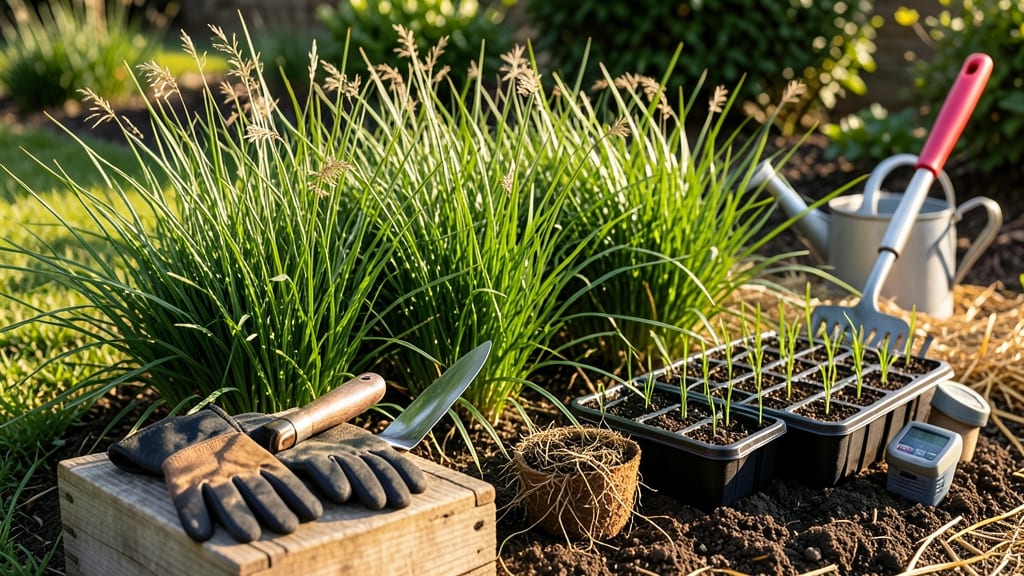
Planting Tall Fescue 🌱 in Texas at the wrong time can mean the difference between a lush, resilient lawn and one that struggles under the heat or freezes before it takes root.
If you're wondering when to plant Tall Fescue in Texas, timing is everything—especially with Texas' varied climate zones from 7b-8a in North Texas to 9a-10b in the South.
The key window is late summer to early fall, when soil temperatures drop just enough to encourage deep root growth before winter sets in.
But here’s the catch: planting too early in the sweltering Texas summer can stress your grass, while waiting too long risks weak establishment before cold weather arrives.
I’ll break down the exact months that work best for your region and share the 3 critical steps to set your Tall Fescue up for success.
Let’s get your lawn off to the right start—because once you nail the timing, maintaining it becomes a whole lot easier.
Best months to plant tall fescue in Texas for strong root growth
Timing is everything when planting tall fescue in Texas, where summer heat and winter freezes can derail your lawn if you’re not careful. The ideal window is late summer to early fall—specifically, August through October—when soil temperatures are cooling, and rainfall is more consistent.
This gives seedlings time to establish deep roots before winter dormancy kicks in.
Why fall? Because tall fescue thrives in cooler weather, and planting in August or September lets it take advantage of Texas’s fall rains and milder temperatures. If you miss this window, your second-best option is late spring (May), but success rates drop because of the intense heat.
Avoid planting in June or July—the scorching sun and drought stress will stunt growth before roots can develop.
Here’s the golden rule: Aim to plant 4–6 weeks before your area’s first frost. In North Texas, that’s usually by mid-October, while Central and South Texas can stretch it to early November.
Check your local USDA hardiness zone (Texas ranges from 7b to 10b) to fine-tune your schedule.
Before you plant, test your soil temperature. Tall fescue seeds germinate best when soil is between 60°F and 75°F—any hotter, and they’ll dry out before sprouting. Use a soil thermometer to monitor conditions, especially in North Texas, where summer heat lingers longer.
Another critical factor is moisture consistency. Tall fescue needs 1–1.5 inches of water per week during establishment, but Texas’s erratic rainfall can make this tricky. Plan to water deeply 2–3 times per week in the first month, then taper off as roots grow.
Mulching with straw or wood chips helps retain moisture and keeps soil cool.
Pro tip: If you’re overseeding an existing lawn, do it in early fall when the old grass is still active but slowing down. This minimizes competition for water and nutrients, giving your new tall fescue seedlings the best shot at success.
Here’s a quick reference for your planting timeline:
| Season | Best Months | Soil Temp | Watering Needs |
|---|---|---|---|
| Fall | August–October | 60°F–75°F | 1.5" per week |
| Late Spring | May (North TX) | 70°F–75°F | 1" per week |
| Avoid | June–July | Above 80°F | High risk of failure |
One common mistake I see is planting tall fescue too early in spring (April or early May). While the weather might seem perfect, the soil can still be too warm, leading to poor germination.
Wait until late May in North Texas or early June in Central/South Texas if you’re planting in spring, but fall is still the superior choice.
If you’re in a drought-prone area like West Texas, prioritize fall planting even more. The cooler temps and increased rainfall (especially in September) give your grass a fighting chance against Texas’s dry spells. Pair this with a deep watering schedule and you’ll see lush growth by spring.
Finally, don’t overlook soil preparation. Tall fescue prefers well-draining, slightly acidic soil (pH 6.0–7.0). Before planting, till the top 4–6 inches of soil, remove debris, and mix in compost or organic matter to improve texture. This step is non-negotiable—poor soil prep leads to weak roots and patchy lawns.
With the right timing and care, your tall fescue will establish a deep, resilient root system that outlasts Texas’s harshest seasons. Next, we’ll dive into how your specific Texas region—whether North, Central, or South—can tweak these guidelines for even better results. 🌱
Best months to plant tall fescue in Texas for strong root growth
Texas’ extreme heat and unpredictable winters make timing critical for tall fescue success. Unlike cool-season grasses, tall fescue thrives when planted 4–6 weeks before the first frost—typically August through October—to establish deep roots before winter dormancy.
Planting too early risks heat stress, while waiting too long may leave your lawn vulnerable to winter dieback or weed competition.
For North Texas (USDA Zones 7b–8a), aim for late August to early September when daytime highs drop below 90°F and nighttime temps dip into the 60s. This window allows seeds to germinate without baking in the sun or struggling with late-summer drought.
In Central Texas (Zones 8a–8b), extend your window to mid-September to avoid the brutal October heat that can scorch new seedlings.
The key is soil temperature: Tall fescue seeds germinate best when soil is between 60–75°F. Use a soil thermometer to confirm—if temps exceed 80°F, wait until evenings cool down. Morning dew is a natural indicator that conditions are ideal.
Pro tip: Water deeply the day before planting to moisten the soil to 6 inches deep, ensuring seeds stay hydrated during germination.
| Region | Ideal Planting Window | Soil Temp | Key Consideration |
|---|---|---|---|
| North Texas | Late August–Early September | 60–75°F | Avoid early frost (Dec 1) |
| Central Texas | Mid-August–Mid-September | 65–72°F | Watch for October heat spikes |
| South Texas | Late July–Early September | 70–75°F | Humidity speeds germination |
Rainfall is another critical factor. Texas’ summer droughts can dry out seeds before they sprout, while fall rains provide the perfect moisture balance. If natural rainfall is scarce, irrigate lightly (¼ inch) every 2–3 days until seeds germinate.
Overwatering is just as harmful—it can drown seeds or wash them away. Use a sprinkler with gentle mist or soaker hose to keep seeds in place.
Once established, tall fescue’s deep root system (up to 4–6 feet) helps it outcompete weeds and survive Texas’ erratic weather. But rushing the process by planting in May or June can lead to shallow roots and heat stress, leaving your lawn thin and patchy.
Wait for cooler temps and longer days—nature’s signal that it’s time to grow.
For best results, pair planting with a light layer of compost (¼ inch) to improve soil structure and hold moisture. Avoid heavy fertilizers at planting—too much nitrogen can burn tender seedlings.
Instead, use a starter fertilizer (low nitrogen, high phosphorus) to boost root development without overwhelming the young grass.