
Plants
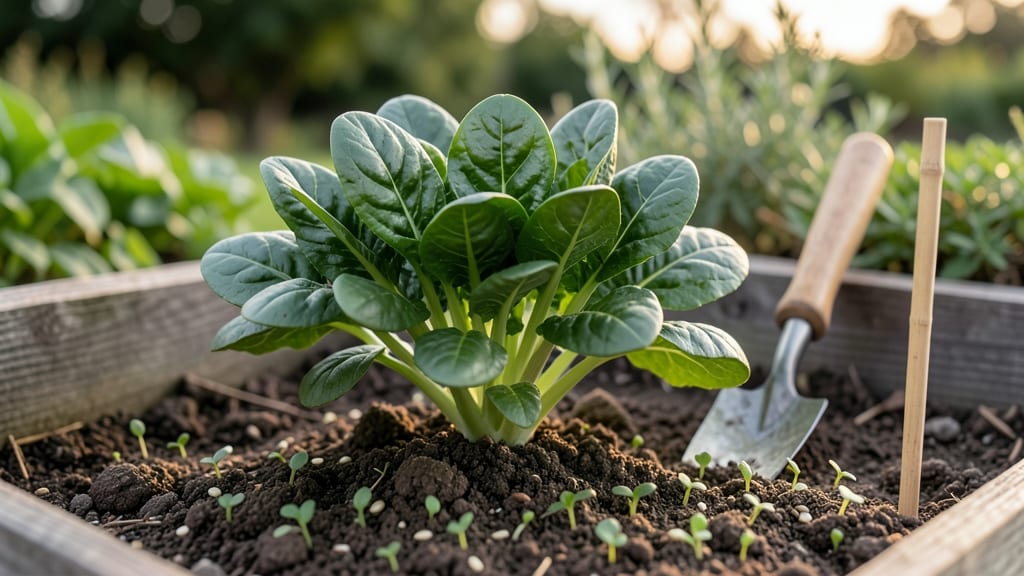
Timing your spinach planting in North Texas right can mean the difference between a thriving garden and a bitter disappointment. That's because 🥬 spinach hates heat—once temperatures creep above 75°F, it bolts faster than you can say "pesto."
If you've ever planted spinach in the wrong season and ended up with tough, stringy leaves instead of tender greens, you're not alone. The key to success in zones 7b-8a is understanding the two perfect windows: late summer for fall harvests and early spring for those crisp spring salads.
I've grown spinach in North Texas for years, and I can tell you—getting the timing right isn't just about the calendar. It's about reading your local microclimate, choosing the right varieties, and knowing when to shield your plants from that relentless Texas sun.
In this guide, I'll walk you through the exact months to plant, how to stretch your harvest season, and the common pitfalls that turn sweet spinach into a sad, bolted mess. Let's make sure your next batch of 🥬 grows up happy and healthy.
Best planting months for spinach in North Texas to avoid bolting
Spinach thrives in North Texas's cool seasons, but timing is critical to avoid premature bolting—the process where spinach flowers and becomes bitter. The USDA Zones 7b-8a climate means we have two ideal windows: fall and spring, each with unique challenges.
For fall planting, aim for late August to early September. This gives your spinach 6-8 weeks of cool weather before the first frost (December 1 in North Texas). If planted too late, heat waves in September can still trigger bolting, so monitor soil temperatures closely.
Spring planting should start February to early March, about 4-6 weeks before the last expected frost (February 15). Planting earlier risks exposure to unpredictable late-winter warmth, while planting too late may mean summer heat arrives before harvest.
North Texas's microclimates add complexity. Urban areas like Dallas may experience 2-3°F warmer soil temps than rural spots, so adjust planting dates accordingly. Rural areas might even squeeze in a late-summer planting in August if you provide shade cloth.
| Season | Ideal Planting Window | Temperature Threshold | Harvest Window | Key Risk |
|---|---|---|---|---|
| Fall | Late August - Early September | Soil 70-75°F, Air 60-75°F | October - November | September heat waves |
| Spring | February - Early March | Soil 50-60°F, Air 45-65°F | April - May | Late-winter warmth |
| Late Summer (Rural) | August (with shade) | Soil 65-70°F, Air 70-80°F | September (limited) | Bolting risk without shade |
Soil temperature is more critical than air temperature for spinach. Use a soil thermometer to confirm conditions—ideal temps should stay below 75°F for consistent growth. If your soil hits 80°F+, even for a few days, your spinach will bolt within 10-14 days.
North Texas's variable weather means checking your local Cooperative Extension Service forecasts is wise. For example, 2023 saw a late-March heatwave that ruined spring plantings in Fort Worth. Planting 2-3 weeks earlier than average can help mitigate such risks.
For container growing, timing is even more precise. Containers heat up faster, so plant 1-2 weeks later than in-ground spinach. Use black plastic pots to absorb heat during the day and release it slowly at night, helping maintain stable temps.
Remember, slow growth is better than fast bolting. If your spinach starts looking leggy or developing yellow stems, it's already too late—time to replant for the next window. Patience pays off with sweet, tender leaves all season.
🌱
Best planting months for spinach in North Texas to avoid bolting
Spinach thrives in North Texas's cool seasons, but timing is critical to avoid premature bolting. The key window is late summer to early fall and late winter to early spring, when temperatures stay below 75°F. Planting outside these windows risks bitter leaves and wasted effort.
North Texas's USDA Zones 7b-8a mean gardeners must work with short cool seasons. The first frost typically arrives around December 1, while the last frost occurs near February 15. This creates a 200-day frost-free window, perfect for two spinach plantings.
| Planting Window | Ideal Months | Temperature Range | Notes |
|---|---|---|---|
| Fall Planting | Late August - Early September | 50°F - 75°F | Harvest before first frost (Dec 1) |
| Spring Planting | February - Early March | 40°F - 65°F | Avoid planting after March 15 (heat risk) |
| Extended Fall Option | October | 50°F - 70°F | Use shade cloth if temps rise |
For fall plantings, aim to sow seeds 4-6 weeks before frost (around late August). This gives spinach time to mature before cold weather sets in. In spring, plant by early March to ensure harvests before North Texas's heat peaks in April.
North Texas's summer heat (often exceeding 90°F) makes spinach nearly impossible to grow successfully. Even shade solutions won't prevent bolting during peak summer months. Save your spinach efforts for the cooler seasons when the plant can focus on leaf production instead of flowering.
Pro tip: Use slow-bolting varieties like 'Bloomsdale Long Standing' or 'Tyee' for slightly better heat tolerance. These can handle short periods above 75°F better than standard types, but they're not a substitute for proper timing.
Always test your soil's pH (6.5-7.0) before planting. North Texas's clay-heavy soils often need compost amendments to improve drainage. Well-prepared soil helps spinach establish quickly, reducing stress that can trigger bolting.