
Plants
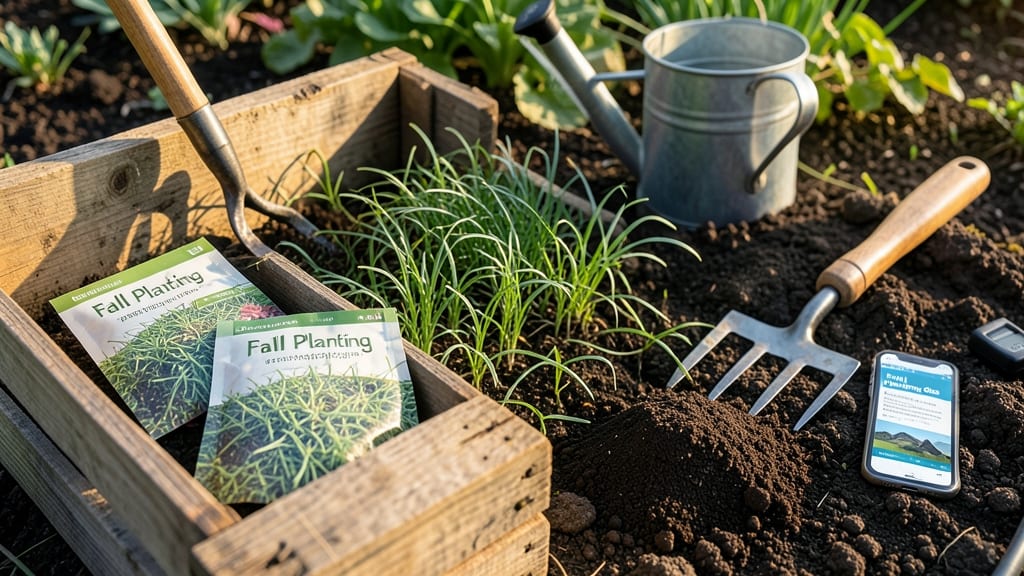
Planting grass seed in the fall is your best shot at a thicker, greener lawn—but timing it wrong can leave your yard struggling before winter.
The key lies in that sweet spot between 4-6 weeks before frost, when soil stays warm enough for roots to take hold without inviting weeds or frost damage.
In Zone 6a (like much of the Midwest), that window typically opens in early September and closes by mid-October. Too early, and your seedlings may dry out; too late, and they won’t establish before winter sets in.
I’ll break down the exact months for your region and how to prep your soil for success.
You might think late fall is safer, but rushing it can leave your grass vulnerable to frost heave or weak roots. The goal? Give your 🌱 grass seedlings 3-4 weeks of growth before the ground freezes. Let’s make sure your lawn gets the strong start it deserves.
From aerating to watering schedules, I’ll cover every step to maximize your grass’s chances—so you’re not left pulling weeds next spring. Ready to transform your lawn this fall? Let’s get started.
Best fall grass seed planting months by US hardiness Zone
Timing your fall grass seed planting depends on your USDA hardiness zone and local frost dates. Planting 4-6 weeks before the first frost gives seedlings enough time to establish roots before winter dormancy.
In Zones 3-5, aim for late August to mid-September, while Zones 6-10 can extend planting until early November.
Soil temperatures play a critical role—ideal germination occurs between 60°F and 75°F. Cooler fall temps (below 50°F) slow growth, while warm soil (above 80°F) can stress seedlings. Use a soil thermometer to monitor conditions in your region.
Regional variations matter too. In the Pacific Northwest, milder winters allow later planting (up to October 15), while the Deep South may experience early frosts, requiring earlier seeding (late August). Always check your local average first frost date for precise timing.
| Zone | Ideal Planting Window | Soil Temp Range | Notes |
|---|---|---|---|
| Zones 3-5 | Late August–Mid-September | 60°F–75°F | Early frost risk; prioritize root growth |
| Zones 6-7 | Mid-September–Early October | 55°F–70°F | Balanced window for germination and establishment |
| Zones 8-10 | Late September–Early November | 50°F–65°F | Later planting possible due to mild winters |
For cool-season grasses (like Kentucky bluegrass or fescue), fall planting is ideal because cooler temps reduce weed competition and encourage deep root growth. Warm-season grasses (like Bermuda or Zoysia) should only be seeded in late spring or summer—fall planting risks winter kill.
If you miss the ideal window, you can still plant in early fall (August) or late fall (November), but expect slower germination or weaker seedlings. For example, November plantings in Zones 6-10 may struggle if soil temps drop below 50°F before roots establish.
Pro tip: Use a seed germination calculator or local extension service to refine your timing. They provide hyper-local frost data and soil conditions that generic guidelines might miss. For instance, Denver (Zone 5) typically seeds in early September, while Atlanta (Zone 8) can wait until mid-October.
Once you’ve nailed the timing, focus on soil prep and seed selection. Cool-season grasses thrive in fall, but choosing the right variety (e.g., tall fescue for drought resistance) can make or break your lawn’s success.
Next, we’ll cover how to prep your lawn for planting—including aeration, weed control, and moisture management.
🌱
How to prepare your lawn for fall grass seed planting
Preparing your lawn before planting grass seed in the fall is the key to a thick, healthy lawn come spring. Start by mowing your grass shorter than usual—about 1 to 1.5 inches—to create space for new seedlings.
This also helps sunlight reach the soil, encouraging germination. Avoid cutting too short, though, as it can stress the existing grass and expose the soil to weeds.
Next, test your soil pH and nutrient levels. Grass thrives in slightly acidic soil with a pH between 6.0 and 7.0. If your soil is too alkaline or compacted, amend it with compost or peat moss to improve drainage and fertility.
A simple soil test kit from your local garden center will give you all the details you need.