
Plants
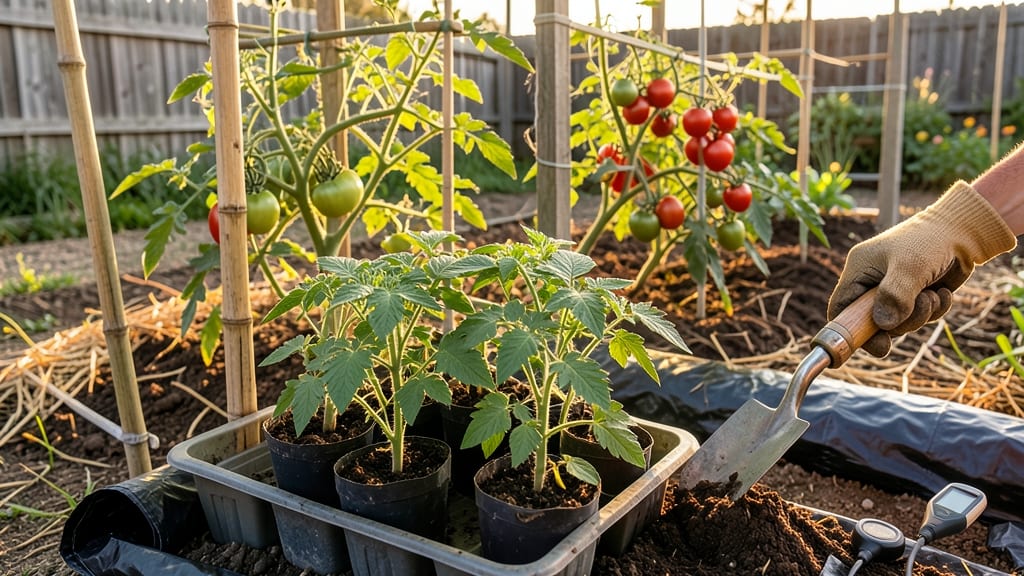
When should you plant tomatoes in Florida? Timing your tomato planting isn’t just about throwing seeds in the dirt—it’s about beating the heat, humidity, and Florida’s infamous afternoon thunderstorms. Skip the wrong window, and you’ll end up with wilted plants or fruit that never ripens.
But get it right, and you’ll enjoy a steady harvest of juicy 🍅 from spring through fall.
Here’s the secret: Florida’s frost-free zones mean you can plant year-round, but the real key is avoiding the brutal summer months when temperatures soar past 90°F. Instead, focus on cooler seasons when soil stays warm enough for strong roots but not so hot that flowers drop off.
I’ll show you exactly when to start seeds or transplant seedlings for maximum success.
Whether you’re a first-time gardener or a seasoned green thumb, knowing the best planting schedule for your specific Florida heat zone can mean the difference between a thriving garden and a disappointing one. Let’s dive into the perfect timeline to keep your tomatoes flourishing—no guesswork required.
You’ll also discover how to extend your harvest with smart succession planting and which varieties thrive in Florida’s unique climate. Ready to grow tomatoes that actually taste like summer? Let’s get started.
Florida’s best tomato planting windows by heat Zone (avoid these mistakes)
Florida’s 11 heat zones (A1–B3) create wildly different growing conditions, so timing is everything. Plant tomatoes too early in Zone 10A, and you’ll battle fungal diseases from spring humidity.
Wait too long in Zone 9A, and summer’s brutal sun will scorch your fruit. The key? Align your planting with soil temperatures and seasonal shifts—not just calendar months.
Unlike northern states, Florida has no frost to mark the start of spring. Instead, focus on soil warmth (aim for 60°F+humidity levels.
For example, North Florida (Zone 8A) can plant as early as February, while South Florida (Zone 11) might need to wait until August to avoid summer’s relentless heat. Let’s break it down by zone to avoid costly mistakes.
🚨 CRITICAL RULE: Never plant tomatoes when daytime temps exceed 90°F—fruit will develop sunscald (white, leathery patches) and stop ripening. Use this table to pinpoint your ideal planting window based on your heat zone.
Notice how Zone 11 skips spring planting entirely? That’s because Miami’s 90°F+ days start as early as March. Instead, gardeners there focus on late summer/fall crops. Meanwhile, Zone 8A (like Jacksonville) can squeeze in two harvests: one in spring and another in fall.
For Zone 9A–10A, the sweet spot is December–January for spring plantings. But here’s the catch: If you plant too early (e.g., November in Zone 10Abolt (send up flowers before soil warms). Use a soil thermometer—wait until temps hit 60°F for 5+ days.
Summer planting in Florida is tricky. Most gardeners avoid it, but heat-tolerant varieties like ‘Solar Fire’ or ‘Heatmaster’ can thrive if planted in August (after the worst humidity spikes). Pair them with shade cloth (30–50%) to protect fruit from sunscald.
Fall is your second chance for a harvest. In Zone 9A, aim for September plantings to enjoy tomatoes before hurricane season (June–November) disrupts growth. In Zone 11, stretch plantings into October–November for a winter crop.
Pro tip: Succession plant every 2–3 weeks in spring/fall to stagger harvests. For example, plant 10 plants in January, then 10 more in February—this ensures continuous fruit production. Just avoid planting within 6 weeks of your first frost (though Florida’s rare frosts only hit Zone 8A in January).
One common mistake? Planting seedlings too deep. Florida’s sandy soil can bury stems accidentally. Always plant so 1/3 of the stem is above soil—this encourages stronger roots. Mulch with pine straw to retain moisture and block weeds.
🌱 Ready to plant? Grab your soil thermometer, pick a disease-resistant variety for your zone, and mark your calendar for August shade cloth if you’re summer-gardening. Your first juicy tomato is just 60 days away!
How to extend your tomato harvest: succession planting for Florida gardens
Florida’s long growing season lets you enjoy tomatoes year-round, but the key to a continuous harvest is succession planting. Instead of one big planting in spring, stagger your tomatoes every 2–3 weeks to keep fruit ripening at different times.
This works especially well in Zones 9a–11, where you can grow tomatoes in nearly every month.
Start your first batch in late January or February for an early spring harvest, then repeat plantings through August. This ensures you’re always picking ripe tomatoes while older plants fade. For container gardens, succession planting is even easier—just swap out pots every few weeks with new seedlings.
🌱
Pick heat-tolerant varieties like 'Celebrity' or 'Solar Fire' for summer plantings. For cooler months, opt for 'Better Boy' or 'Mountain Merit', which handle Florida’s mild winters better.
Before each planting, amend soil with compost and a balanced fertilizer (5-10-10). Florida’s sandy soil drains too fast, so mix in organic matter to retain moisture and nutrients.
Start seedlings indoors 4–6 weeks before outdoor planting. Harden them off, then transplant outdoors every 2–3 weeks for a steady supply of young plants.
For June–August plantings, use 30–50% shade cloth to protect young plants from intense sun and sunscald on fruit. Remove it as plants mature.
Apply 3–4 inches of mulch (pine straw or grass clippings) to keep soil cool, retain moisture, and prevent soil-borne diseases like early blight.
Pick tomatoes when they’re fully colored but still firm. This encourages more fruit production and prevents overripe tomatoes from splitting in Florida’s humidity.
Succession planting also helps you avoid common Florida pitfalls, like blight from overcrowded plants or poor fruit set during heatwaves. By rotating plantings, you spread out the risk and keep your garden productive all year.
For container growers, try planting cherry tomatoes like 'Sungold' every 3 weeks in 5-gallon pots. They’re compact, productive, and perfect for balconies or patios. Just
🌿