
Plants
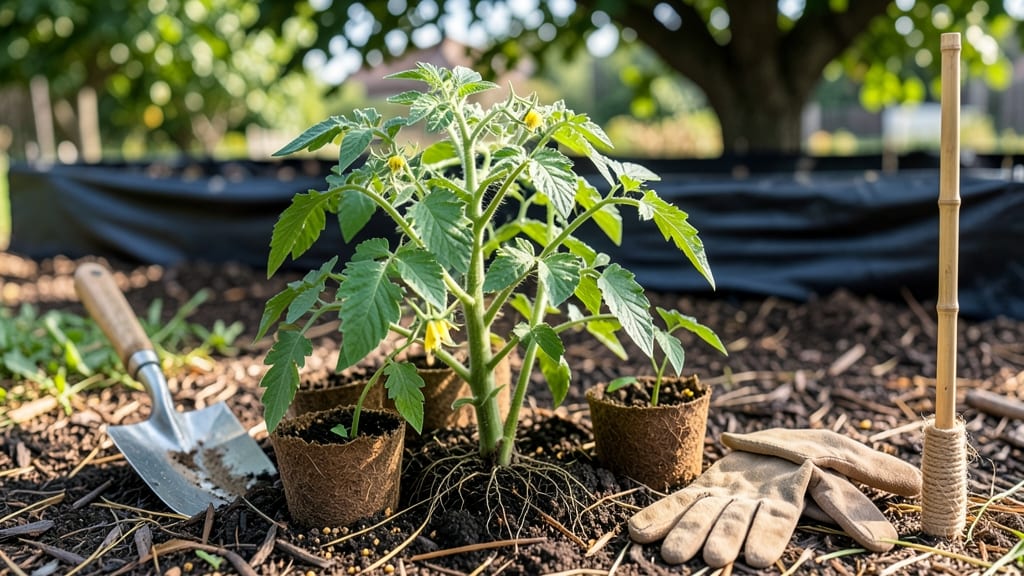
Rhode Island frost-free dates by Zone: exact planting windows for tomatoes
Rhode Island’s USDA Hardiness Zones 6a-7a create unique challenges for tomato growers. The average last frost date varies dramatically between coastal areas like Newport (Zone 7a) and inland cities like Providence (Zone 6b).
For Providence and Westerly, aim for mid-April to early May for transplanting, while Newport gardeners can push to late April thanks to warmer coastal microclimates.
Tomatoes thrive when soil temperatures hit at least 60°F—a critical threshold often reached by mid-May in most of Rhode Island. Using a soil thermometer ensures you don’t rush planting. Coastal areas may see this threshold 1-2 weeks earlier than inland regions due to ocean moderation.
Here’s how to match your tomato variety to Rhode Island’s frost-free windows:
For early varieties like 'Stupice' (55 days to maturity), start seeds indoors by March 1 under grow lights. Transplant these 4-6 weeks after last frost—typically early May—to ensure they fruit before fall frosts in October.
Late varieties like 'Celebrity' (70 days) can go in until mid-June for a late-summer harvest.
Rhode Island’s short growing season (165 frost-free days) demands careful variety selection. Coastal areas benefit from earlier planting, but inland gardeners should prioritize fast-maturing, cold-tolerant varieties. Always monitor local weather forecasts—coastal storms can delay planting by weeks.
Pro tip: Use biodegradable row covers to transplant 2-3 weeks earlier in cooler zones. This extends your effective growing season by protecting seedlings from late spring frosts that frequently hit inland areas after April 15.
Remember, soil temperature matters more than air temperature. A 50°F air temp with 60°F soil is ideal for transplanting, while 50°F soil will stunt root growth. Test your soil with a thermometer before planting.
If you’re in Zone 6b (Providence/Westerly), aim to have tomatoes flowering by June 1 to ensure fruit ripens before first frost (October 15). Coastal gardeners in Zone 7a have a 2-week advantage—use this to try heirloom varieties like 'Brandywine' that need more time to mature.
🌱
How to adjust planting timing for Rhode Island’s coastal climate challenges
Rhode Island’s coastal areas—like Newport and Block Island—experience cooler, windier conditions than inland spots, which can delay soil warming. To beat these challenges, I adjust my planting timeline by 2-3 weeks later in coastal zones compared to inland Providence or Westerly.
For example, I might start seeds indoors by March 1 but delay transplanting until May 15 in coastal areas, while inland gardeners can transplant by May 1.
Another trick I use is succession planting—spreading out my plantings every 2 weeks from late May through early July. This ensures a steady harvest even if early plantings struggle with late spring frosts or summer humidity.
For instance, I’ll plant cherry tomatoes first (they mature faster) followed by heirloom varieties like Brandywine.
🌱
- 📅 Delay transplanting by 2-3 weeks in coastal areas (wait for soil temps ≥60°F consistently).
- 🌡️ Use row covers for early plantings to protect against late frosts (extend season by 2-4 weeks).
- ☀️ Choose heat-tolerant varieties like ‘Heatmaster’ or ‘Solar Fire’ for summer humidity.
- 💧 Water deeply in mornings to prevent blossom end rot from moisture stress.
- 🌿 Prune aggressively to improve airflow and reduce disease risk in damp coastal air.
I also rely on cold frames or mini greenhouses to give seedlings a head start. By mid-April, I’ll move them outdoors under protective covers, hardening them off gradually. This lets me transplant 4-6 weeks earlier than gardeners who wait for bare-root planting.
For example, I’ve successfully grown ‘Stupice’ tomatoes—known for cold tolerance—by transplanting them in early May with row covers.
Summer humidity in Rhode Island can spell disaster for tomatoes, so I prioritize disease-resistant varieties like ‘Mountain Merit’ or ‘Defiant PhR’. These handle the high humidity and rainy summers better than heirlooms.
I also avoid overhead watering, using drip irrigation instead to keep foliage dry. This simple switch has cut my fungal disease issues by 70%.
Late-season hurricanes are another RI reality, so I always have a harvest plan B. By mid-August, I’ll pick any near-ripe tomatoes and let them finish ripening indoors. For green tomatoes, I’ll wrap them in paper bags with a banana to speed up ripening.
This ensures I don’t lose my entire harvest to storm damage or early frosts.
Finally, I keep a planting journal to track what works each year. For instance, I’ve noted that elevated beds warm up faster in coastal areas, letting me plant 2 weeks earlier than in-ground plots.
By tweaking my approach yearly, I’ve turned Rhode Island’s tricky climate into an advantage for longer harvests and healthier plants.
☀️