
How To
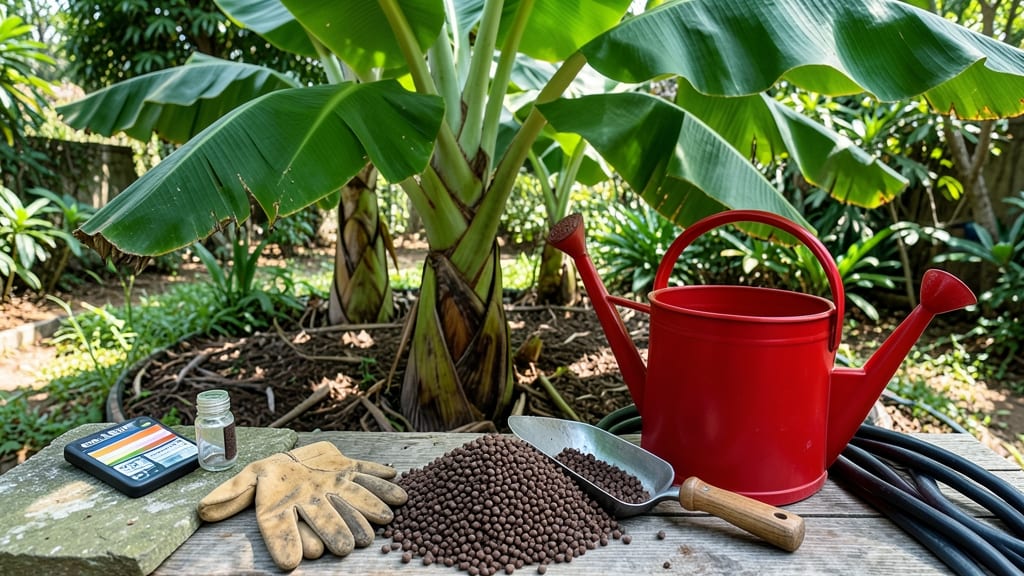
Timing your banana tree's fertilizer just right can mean the difference between a thriving 🍌 and a struggling one—especially when you're aiming for that fast growth and juicy harvest. If you've ever watched your banana tree slow down or produce smaller fruit, chances are, your feeding schedule might be off.
Most gardeners in tropical and subtropical zones (like USDA zones 10-12) know bananas love to grow year-round, but even they need a strategic feeding plan. The key is understanding when your banana tree is most hungry—typically during its spring and summer growth spurt—and how to adjust for cooler months.
I’ve tested different schedules, and what works for a banana tree in Florida won’t always cut it for one in California’s milder climate. Whether you’re growing a dwarf variety indoors or a towering standard tree outdoors, knowing when to fertilize (and when to hold back) makes all the difference.
In this guide, I’ll break down the exact months to feed your banana tree, the best fertilizers to use, and how to spot signs it’s time to stop—so you can avoid common mistakes like over-fertilizing or feeding during dormancy. Let’s get your banana tree growing faster and stronger than ever.

Best fertilization schedule for banana trees by season (with monthly breakdown)
Banana trees thrive when fed at the right time—too early or too late can leave you with weak growth or even no fruit at all. The key is aligning fertilization with your tree’s active growth phases, which shift dramatically between tropical and temperate climates.
In warm zones (USDA 10-12), feeding happens year-round, while cooler areas pause in winter.
For most gardeners, the peak feeding window runs from spring through early fall, matching the tree’s rapid leaf and fruit production. Dwarf varieties like 'Dwarf Cavendish' need lighter feeding than giants like 'Gros Michel', but the seasonal rhythm stays the same.
Let’s break down the science-backed schedule month by month.
| Month | Tropical Zones (10-12) | Temperate Zones (9 or colder) | Fertilizer Type | Notes |
|---|---|---|---|---|
| January | Light feed | Light feed (or none if dormant) | Balanced (6-6-6) | Prep for new growth |
| February | Full feed | Full feed (if above 50°F) | 10-10-10 | Boost leaf production |
| March-May | Feed every 4 weeks | Feed every 4 weeks (after last frost) | Organic compost tea | Critical for fruit buds |
| June-August | Feed every 6 weeks | Feed every 6 weeks | Banana-specific fertilizer | Support heavy fruiting |
| September-November | Light feed | Light feed (reduce in fall) | Low-nitrogen (3-4-6) | Prep for dormancy |
| December | None | None (dormant) | N/A | Resume in spring |
In tropical climates, banana trees grow year-round, so you’ll feed lightly in winter to maintain health without overstimulating growth. For temperate zones, pause fertilization when night temps drop below 50°F—this mimics the tree’s natural dormancy period.
Always apply fertilizer in the early morning after watering to prevent root burn.
Pro tip: If your tree is potted, cut the fertilizer amount in half. Container plants dry out faster, and excess salts build up quickly in the soil. Use a moisture meter to check soil conditions before feeding—dry soil means delayed nutrient absorption.
For dwarf varieties, reduce feeding frequency to every 8-10 weeks during peak season. Their smaller size means they need less nutrient input. Giant varieties, however, can handle the full schedule but may need up to 1 cup of fertilizer per application once established.
One common mistake is fertilizing
Signs your banana tree needs fertilizer (and when to stop feeding)
Your banana tree communicates its nutritional needs through subtle (and not-so-subtle) clues. Yellowing leaves, especially on older fronds, scream for more nitrogen. Meanwhile, purple-tinged undersides on new growth signal a phosphorus deficiency. These visual cues help you time your fertilizer applications precisely before problems escalate.
Don’t ignore slow growth either—if your tree’s pseudostem (the false trunk) isn’t thickening by 6 inches per year, it’s starving. Even smaller-than-expected fruit can be a red flag, especially if bunches appear sparse or underdeveloped. Pay attention to these early warnings to avoid irreversible damage.
🌱
⚠️ Over-Fertilization Warnings
- Brown leaf tips = salt buildup from excess fertilizer
- Crispy edges on leaves = root burn from overfeeding
- Stunted new growth = nutrient toxicity blocking absorption
Stop fertilizing immediately if you see these signs. Flush the soil with water to dilute salts, then wait 2-3 months before resuming light feeding.
Knowing when to stop feeding is just as critical as when to start. In tropical climates, reduce fertilizer in late fall as growth naturally slows. For temperate zones, halt fertilization by October to prevent new growth that won’t survive winter.
Always pause 2 months before the first frost—your banana tree needs time to harden off.
Potted banana trees need extra vigilance. Since their roots are confined, they’re more prone to over-fertilization. Use half the recommended dose and flush the pot monthly with water to prevent salt accumulation.
If you notice white crust on the soil surface, it’s time for a soil reset with fresh potting mix.
Pro tip: Test your soil every 2 years to confirm pH (ideal: 5.5–7.0) and nutrient levels. A simple home test kit ($10–$20) can save you from guesswork.
Adjust your fertilizer blend based on results—acid-loving varieties like Red Dacca may need extra sulfur, while Cavendish thrives with balanced NPK.
📋