
Vegetables
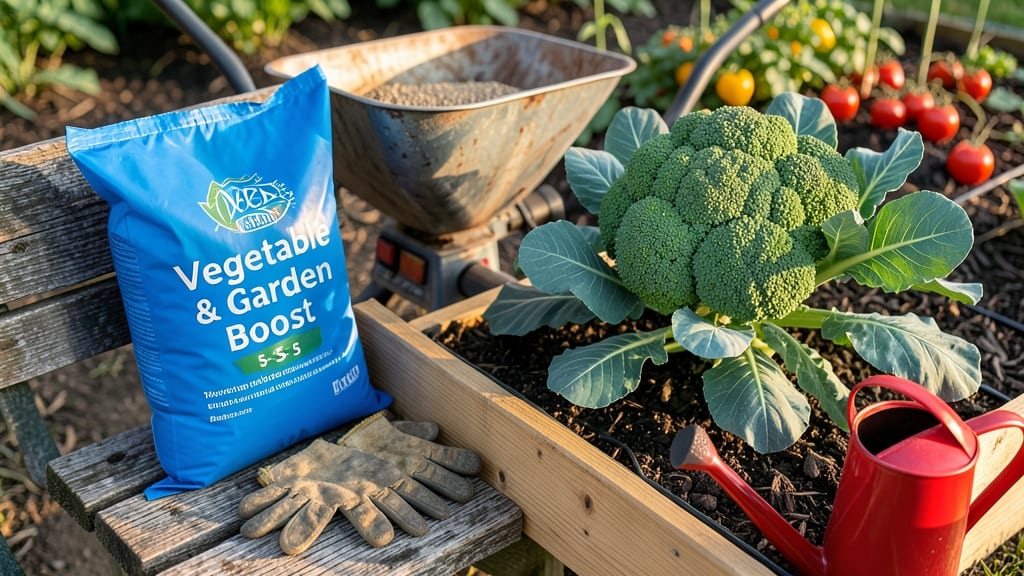
Timing your broccoli fertilizer just right is the difference between a bumper crop of those lush, green heads 🥦 and bitter, stunted plants. Skip the guesswork—because feeding too early can send your plants into overdrive, while waiting too long leaves them struggling to thrive.
I’ve learned that the key is feeding broccoli at three critical stages: when you first plant, as the seedlings grow, and again just before harvest. Each timing boosts growth without overloading your soil, ensuring your plants focus energy on producing those perfect, compact heads you crave.
Whether you’re in Zone 6a or another climate, the right schedule keeps your broccoli strong through spring’s chill or fall’s crisp air. Let’s break down exactly when to fertilize—so you can avoid common mistakes and maximize every plant’s potential.
From organic compost to balanced synthetic blends, we’ll cover what works best and how to spot signs your broccoli is either starving or drowning in nutrients. Ready to grow broccoli like a pro? Let’s get started.

Best fertilization schedule for broccoli growth stages
Timing your broccoli fertilization is like hitting a golf swing—too early or too late, and you’ll miss the sweet spot. The key is feeding your plants at the right growth stages to ensure strong stems and lush heads.
Broccoli thrives with a balanced approach, but knowing when to fertilize makes all the difference between a meager harvest and a bumper crop.
Start by preparing your soil 4-6 weeks before planting with compost or aged manure. This ensures your broccoli has the nutrients it needs from day one. Think of it as laying the foundation for a healthy plant—just like prepping your garden bed before sowing seeds.
Healthy soil means fewer mid-season adjustments and happier plants overall.
Now, let’s dive into the fertilization timeline that will transform your broccoli from struggling seedlings to robust, head-producing powerhouses. The schedule is broken down into three critical phases: pre-planting, transplanting, and mid-season growth. Each phase requires a slightly different approach to keep your plants thriving.
📅 Broccoli Fertilization Schedule by Growth Stage
| Growth Stage | Fertilizer Type | When to Apply | Notes |
|---|---|---|---|
| Soil Prep (4-6 weeks before planting) | Compost/Aged Manure | Mix into soil | Adds organic matter and nutrients |
| At Planting (Spring/Fall) | Balanced NPK (10-10-10) | Light application | ½ cup per 10 sq ft |
| 3-4 Weeks After Transplanting | Fish Emulsion or Compost Tea | Early morning | Encourages leafy growth |
| 4-6 Weeks Before Harvest | Balanced NPK (10-10-10) | Moderate application | Boosts head development |
| After Harvest (Side Shoots) | Light Compost Top-Dress | After cutting heads | Promotes new shoots |
At planting, apply a light dose of balanced fertilizer (like 10-10-10) to give your broccoli seedlings a strong start. This is your starter fertilizer, and it should be spread evenly around the base of each plant.
Avoid overdoing it—too much fertilizer at this stage can burn young roots and stunt growth. Think of it as giving your plants a gentle nudge rather than a heavy push.
About 3-4 weeks after transplanting, your broccoli should be showing signs of robust leaf growth. This is the perfect time for a second feeding with a nitrogen-rich fertilizer like fish emulsion or compost tea.
Nitrogen promotes leafy growth, which is essential for broccoli’s energy reserves. Apply this fertilizer in the early morning to avoid burning the leaves from the heat of the day.
When your broccoli heads start forming, switch to a balanced fertilizer again, but this time focus on phosphorus and potassium. These nutrients help develop strong, healthy heads. Apply this 4-6 weeks before harvest to ensure your broccoli is at its peak.
This is the critical window for head development, so don’t skip it—your harvest depends on it!
After harvesting the main head, don’t throw away your broccoli plant just yet. Many varieties produce side shoots that can be harvested for weeks. To encourage these, apply a light top-dressing of compost or a gentle organic fertilizer.
This gives your plant the nutrients it needs to produce more heads, extending your harvest season and maximizing your yield.
In hot climates or during drought, avoid fertilizing altogether. Broccoli is sensitive to stress, and feeding it during these conditions can lead to bitter-tasting heads or even plant death.
Always check the weather forecast and soil moisture before applying fertilizer. If the ground is dry or temperatures are soaring, wait until conditions improve.
Finally, remember that organic fertilizers like compost or manure release nutrients slowly, while synthetic fertilizers provide an immediate boost. Adjust your timing based on the type you’re using—organic may require more frequent but lighter applications, while synthetic can be applied less often but in higher doses.
The goal is to keep your broccoli happy and productive throughout its entire growing season.
By following this schedule, you’ll ensure your broccoli plants grow strong, healthy, and full of flavor. Happy gardening—and enjoy that homegrown harvest! 🥦
Best fertilization schedule for broccoli growth stages
Timing your broccoli fertilization isn’t just about throwing down fertilizer—it’s about matching nutrients to your plant’s growth stages. Think of it like feeding a toddler: too much too soon causes chaos, but just the right amount at the right time builds strong, healthy heads.
I’ve broken it down into three critical phases: pre-planting, early growth, and head development.
Start with a soil test before planting to check nutrient levels. Broccoli loves rich, slightly acidic soil (pH 6.0–7.0). If your soil is lacking, amend it with compost or aged manure 2–3 weeks before planting. This gives microbes time to break down organic matter and release nutrients gradually.
🌱 Broccoli Fertilization Timeline
| Stage | Action | Fertilizer Type | Timing |
|---|---|---|---|
| Pre-Planting | Soil Prep | Compost/Aged Manure | 2-3 weeks before planting |
| Planting | Starter Fertilizer | Balanced (10-10-10) | At transplanting (½ cup per 10 sqft) |
| 4-6 Weeks After Planting | Early Growth Boost | Fish Emulsion or Compost Tea | Early morning, light application |
| 8-10 Weeks After Planting | Head Development | Balanced (10-10-10) or Potassium-Rich | 4-6 weeks before harvest |
Once your broccoli seedlings are in the ground, apply a light starter fertilizer (like a balanced 10-10-10) at planting time. This kickstarts root growth without overwhelming young plants.
I recommend mixing it into the soil rather than top-dressing to avoid burning tender roots. Water thoroughly after application to help nutrients penetrate the soil.
When your plants are 4–6 weeks old and showing signs of vigorous leaf growth, it’s time for a mid-season feed. Use a liquid fertilizer like fish emulsion or compost tea to provide a gentle nutrient boost.
This phase is all about building strong stems and leaves—the foundation for those plump, flavorful heads you’re after.
About 8–10 weeks after planting, switch to a potassium-rich fertilizer (like 5-10-10) to support head development. This is non-negotiable if you want large, tight broccoli crowns. Apply it 4–6 weeks before harvest to give your plants time to absorb nutrients without triggering bitter flavors.
Avoid fertilizing within 2 weeks of picking to prevent nutrient buildup in the heads.
After harvest, don’t skip the post-harvest feeding. If your plants produce side shoots, give them a light organic fertilizer to encourage another round of growth.
Just remember: broccoli is a heavy feeder, but it’s also sensitive to over-fertilization. Always follow the package instructions and adjust based on your soil’s natural fertility.