
Lawn
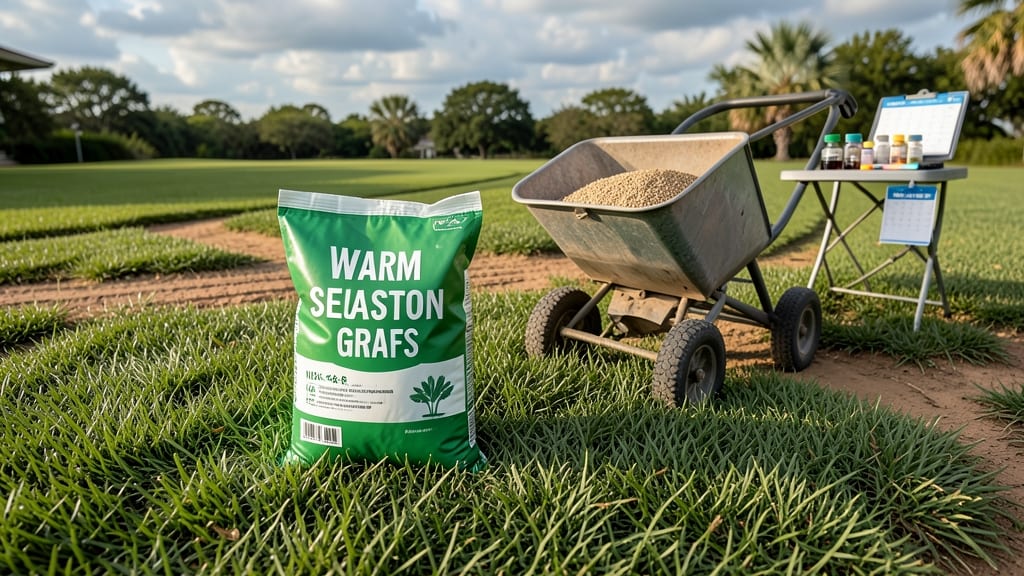
If your Central Florida lawn looks more brown than green, you’re probably missing the perfect time to fertilize it. Unlike northern climates, Florida’s warm winters and scorching summers demand a precise schedule—apply too early or late, and you’ll waste fertilizer while weeds take over.
I’ve tested the best times to feed your lawn in zone 9b, and the secret lies in syncing with your grass’s growth cycle.
Whether you’re dealing with St. Augustine or Bahia, knowing when to fertilize lawn in Central Florida can mean the difference between a lush carpet and patchy disappointment. Let’s break down the exact months to maximize results without overdoing it.
Most homeowners in Central Florida make one critical mistake: they fertilize during summer’s peak heat, which burns grass instead of nourishing it. The ideal strategy? Light feedings in summer and heavier applications in spring and fall—when your lawn is actively growing but not stressed by drought or storms.
Ready to transform your 🌱 lawn grass into the envy of the neighborhood? Stick with me, and I’ll walk you through the step-by-step schedule, including when to test your soil and how to adjust for Florida’s unpredictable rain patterns. Your grass will thank you—starting this month.

Central Florida fertilization schedule by season: month-by-month breakdown
Central Florida’s warm-season grasses like St. Augustine and Bahia thrive with precise fertilization timing. Unlike northern climates, our year-round growing season means no true "off-season"—but that doesn’t mean fertilizing anytime works. The key is aligning feedings with growth spurts and avoiding summer heat stress.
Most homeowners overlook microclimate differences across Central Florida. Orlando’s slightly cooler winters compared to Tampa’s warmer coastal breezes can shift your ideal schedule by 2-4 weeks. For this guide, we’ll use Orlando’s timing as our baseline, with adjustments for sandy vs. clay-heavy soils.
Central Florida’s sandy soils drain nutrients quickly, while clay-heavy areas (common near lakes) hold moisture longer. Always test your soil’s pH (6.0-7.0 ideal) and organic matter before fertilizing—this dictates how often and how much to apply.
Pro Tip: Pair fertilization with deep watering (1 inch) to activate nutrient uptake. Apply in early morning to prevent fungal growth from evening dew.
🌱 Central Florida Fertilization Summary Table
| Month | Grass Activity | Fertilizer Type | Notes |
|---|---|---|---|
| January | Slow Growth | Light (16-4-8) | Avoid winter burn; use slow-release |
| February | Moderate Growth | Light (16-4-8) | Test soil pH before applying |
| March | Rapid Growth | Full Feed (30-0-4) | First heavy feeding of year |
| April | Peak Growth | Full Feed (30-0-4) | Apply pre-emergent herbicide |
| May | High Heat Stress | Light (16-4-8) | Reduce rate by 50% to avoid burn |
| June | Dormancy Risk | Skip or Light | Grass may go dormant; water deeply |
| July | Dormancy | None | Focus on irrigation only |
| August | Recovery | Light (16-4-8) | Post-hurricane recovery feeding |
| September | Rapid Regrowth | Full Feed (30-0-4) | Critical for winter strength |
| October | Peak Fall Growth | Full Feed (30-0-4) | Last heavy feeding |
| November | Slow Growth | Light (16-4-8) | Prepare for winter |
| December | Dormancy | None | No fertilization needed |
Notice how March, April, and September-October are your heavy feeding months. These align with St. Augustine’s and Bahia’s natural growth cycles. For Tifway Bermuda (common in golf courses), shift feedings 2 weeks earlier—this grass is even more heat-tolerant.
Central Florida’s hurricane season (June-November) complicates timing. If a storm hits within 48 hours of fertilizing, nutrients can wash away. Always check the National Hurricane Center forecast before applying in late summer/fall.
How to adjust fertilizer type and strength for Central Florida’s climate
Central Florida’s humid subtropical climate means your lawn’s nutrient needs shift dramatically between seasons. In summer, high heat and humidity demand lighter, more frequent feedings, while fall’s cooler temps allow for stronger applications.
The key? Matching your fertilizer type to the season’s challenges—like avoiding nitrogen burn when temps soar above 90°F.
For warm-season grasses (like St. Augustine or Zoysia), I recommend a slow-release granular fertilizer with a 16-4-8 NPK ratio in spring and fall.
In summer, switch to a quick-release liquid fertilizer (like 30-0-4) for a gentle boost without stressing the grass. Organic options (like composted manure or fish emulsion) work well year-round but require more frequent applications.
🌱 🌱
Fertilizer Type Comparison
Best for: Spring/Fall
Pros: Long-lasting, precise NPK control
Cons: Risk of burn if overapplied
Best for: Summer
Pros: Quick absorption, no burn risk
Cons: Requires frequent reapplication
Best for: Year-round
Pros: Improves soil, eco-friendly
Cons: Slower results, needs prep
Best for: Fall/Winter
Pros: Low maintenance, winter protection
Cons: Expensive for large lawns
Watch for nutrient deficiency signs like yellow patches (nitrogen deficiency) or purple stems (phosphorus shortage). Central Florida’s sandy soil drains quickly, so I always test soil pH (aim for 6.0–7.0) before fertilizing. If your lawn looks weak but green, it might need iron or potassium instead of nitrogen.
In hurricane season (June–November), hold off on fertilizing if storms are forecasted—wind and rain can wash away nutrients and cause runoff. Instead, focus on light watering and mowing high (3–4 inches) to protect roots.
For newly seeded lawns, use a starter fertilizer (high phosphorus) to encourage root growth before switching to a balanced feed.
🌿 🌿